

Diode Hair Removal Ndyag Laser OEM Solutions for Companies
I designed the Diode Hair Removal Ndyag Laser with a focus on efficiency, reliability, and easy integration for busy clinics and beauty studios. As someone who works directly with OEMs and multi-brand distributors, I understand what Companies need: compact footprint, robust power supply, adjustable pulse widths, and safe cooling. My unit delivers rapid treatment cycles, with precise diode-assisted energy delivery for consistent results across skin types. I’ve built in fail-safes, real-time skin contact sensing, and maintenance dashboards to minimize downtime. The system is modular, allowing OEM partners to customize handpieces, interfaces, and software, ensuring a seamless fit into existing portfolios. For Companies seeking scalable production, we offer competitive pricing, component-level warranties, and long-term support. If you’re evaluating OEM partnerships or catalog-ready devices, this Diode Hair Removal Ndyag Laser is designed to meet demand, reduce cost-per-treatment, and accelerate your go-to-market.
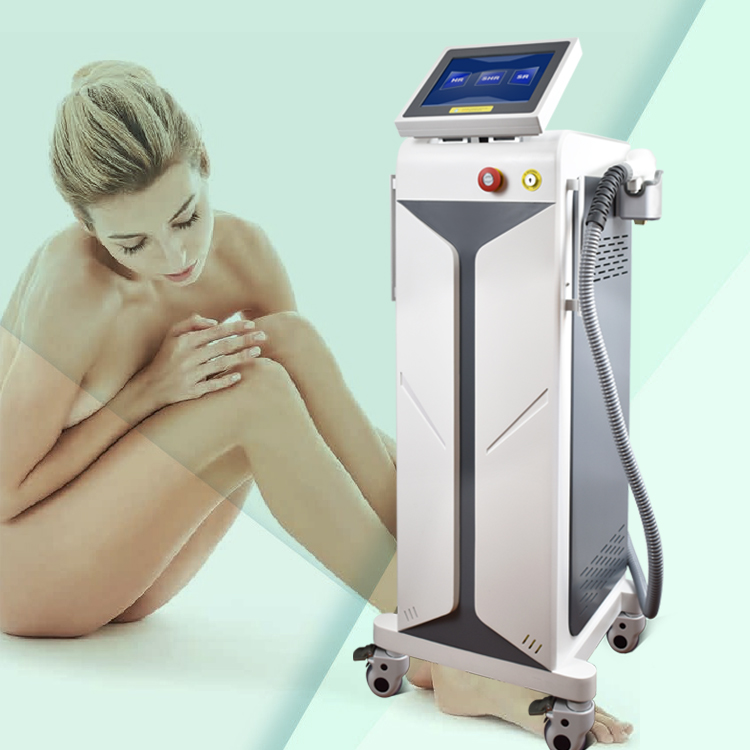

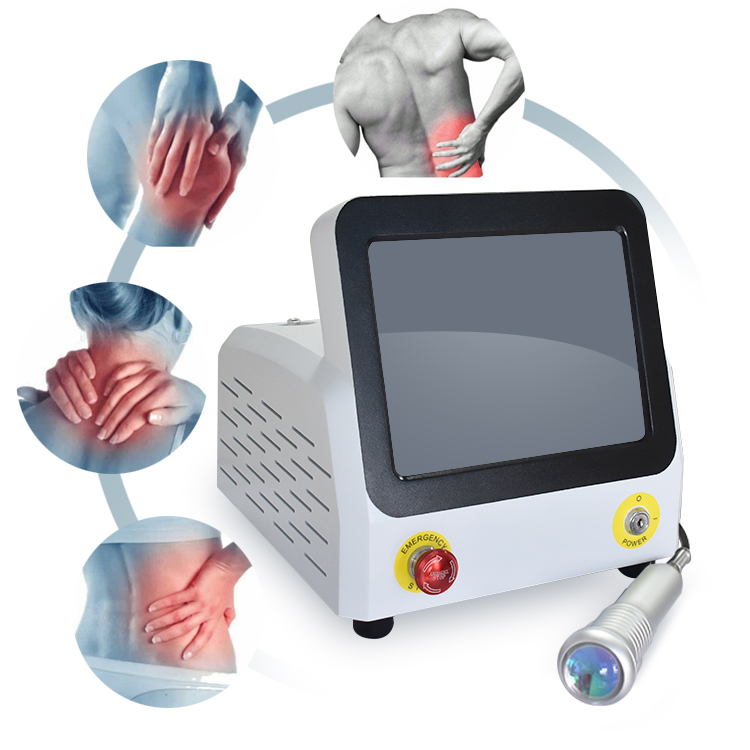


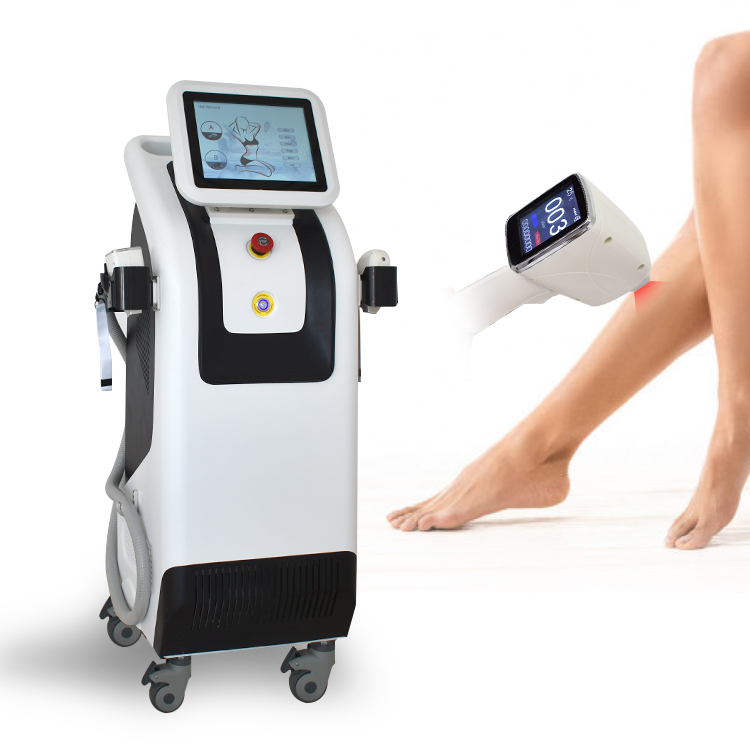
Diode Hair Removal Ndyag Laser Application Trusted by Pros
Global clinics are adopting diode hair removal Nd:YAG laser systems for safe, effective outcomes. The 800–810 nm diode combined with a 1064 nm Nd:YAG wavelength targets follicles while sparing surrounding tissue, broadening treatment eligibility across skin tones and hair colors with reliable results and shorter sessions. For buyers, prioritize medical-grade build, clear certifications, and a global service network for parts, training, and support. A supplier offering warranties, maintenance plans, and adaptable configurations helps clinics scale while maintaining safety and outcomes, delivering trusted results to patients worldwide.
{ Diode Hair Removal Ndyag Laser Application Trusted by Pros}
| Parameter | Description / Range | Typical Value | Notes |
|---|---|---|---|
| Laser System Type | Diode and Nd:YAG-based devices; some offer dual-wavelength capability (810 nm diode and 1064 nm Nd:YAG) | Dual-wavelength: 810–1064 nm | Dual-wavelength systems provide flexibility for various skin tones and hair colors |
| Wavelength (nm) | Wavelengths used for hair removal; diode ~810 nm; Nd:YAG ~1064 nm | 810 nm, 1064 nm | 1064 nm penetrates deeper; 810 nm is effective for lighter skin and finer hair |
| Pulse Duration (ms) | Pulse duration range depends on device and area | 5–40 ms | Longer pulses can treat larger hairs with lower peak fluence; shorter pulses for finer hairs |
| Fluence (J/cm²) | Energy density applied to the skin | 10–40 J/cm² | Start low and adjust per skin type and response; higher values increase efficacy but risk of side effects |
| Spot Size (mm) | Size of the laser beam / treatment area per shot | 6–18 mm | Smaller spots for precision on face; larger spots for speed on body |
| Skin Type Suitability (Fitzpatrick) | Best results with conservative settings; Nd:YAG safer for darker skin with cooling | I–IV commonly used; V with caution | 1064 nm reduces melanin absorption; always perform patch tests |
| Hair Type Suitability | Target hair color and density affect outcomes | Dark, coarse hair responds best | Light or gray hair is less responsive |
| Treatment Frequency | Interval between sessions; growth cycles vary by area | Every 4–8 weeks | Typical total: 6–8 sessions; adjust by response and area |
| Efficacy (Hair Reduction) | Net reduction after a series of sessions | 50–90% after 6–8 sessions | Results vary by area, hair color, and individual factors |
| Downtime | Post-treatment recovery period | 0–24 hours | Redness or mild swelling may occur and usually resolves quickly |
| Common Side Effects | Adverse effects reported with improper settings or aftercare | Transient erythema, mild edema; rare blistering | Patch testing and proper cooling reduce risk; hyperpigmentation uncommon with Nd:YAG |
| Cooling Method | Approaches to protect epidermis and reduce discomfort | Cryogen spray or contact cooling; cooled handpieces | Crucial for skin protection and patient comfort |
| Pre-treatment Considerations | Preparatory steps to optimize safety and outcomes | Avoid tanning 2–4 weeks prior; shave area; avoid photosensitizing meds | Patch test recommended for sensitive individuals |
| Post-treatment Care | Instructions to support healing and results | Sun protection; avoid heat, exfoliation for 24–48 hours; moisturize | Follow device-specific aftercare guidelines |
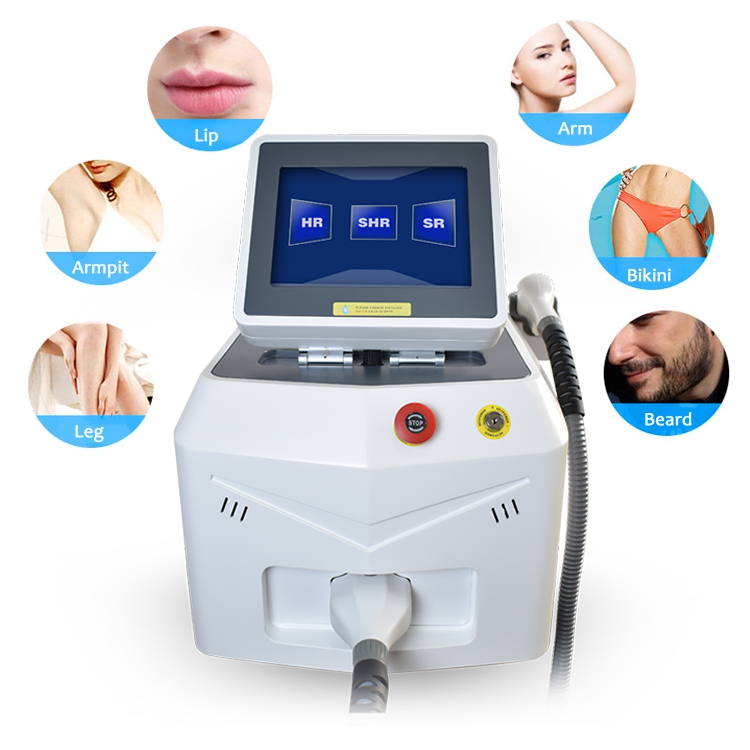
| Common Treatment Areas | Areas frequently treated with diode and Nd:YAG systems | Face (lip/chin), underarms, bikini line, legs, back, chest | Area coverage depends on device and practitioner preference |
Related Products
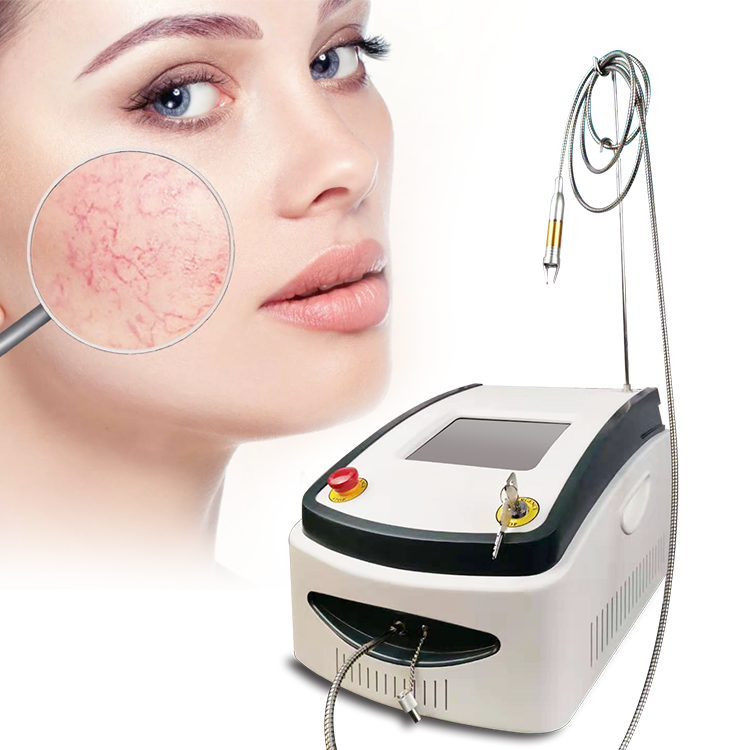



Diode Hair Removal Ndyag Laser Trusted by Pros Service Backed by Expertise
Top Selling Products


- Related Blog
- Reviews
