

Diode 1470 Laser Lipolysis ODM Product - Premium Aesthetic Laser
From my side, I’m excited to share the Diode 1470 Laser Lipolysis solution that I trust for clinics seeking efficient body sculpting. This ODM-ready system offers flexible Product configurations to fit your practice size and market needs. With a 1470 nm diode wavelength, it penetrates fat tissue selectively while preserving surrounding tissue, delivering fast sessions and minimal downtime. I’ve seen partners scale quickly because of its compact footprint and simple SOPs. For ODM and branding teams, we provide plug-and-play kits, regulatory support, and clear service levels. The control interface is intuitive, safety interlocks are built-in, and we offer training plus long-term after-sales service. Our modular design means you can upgrade handpiece options, cooling, or power as demand grows, without reworking the whole platform. If you’re looking for a reliable Product line that aligns with your brand, this Diode 1470 Laser Lipolysis keeps promises with proven results, traceable components, and competitive pricing.


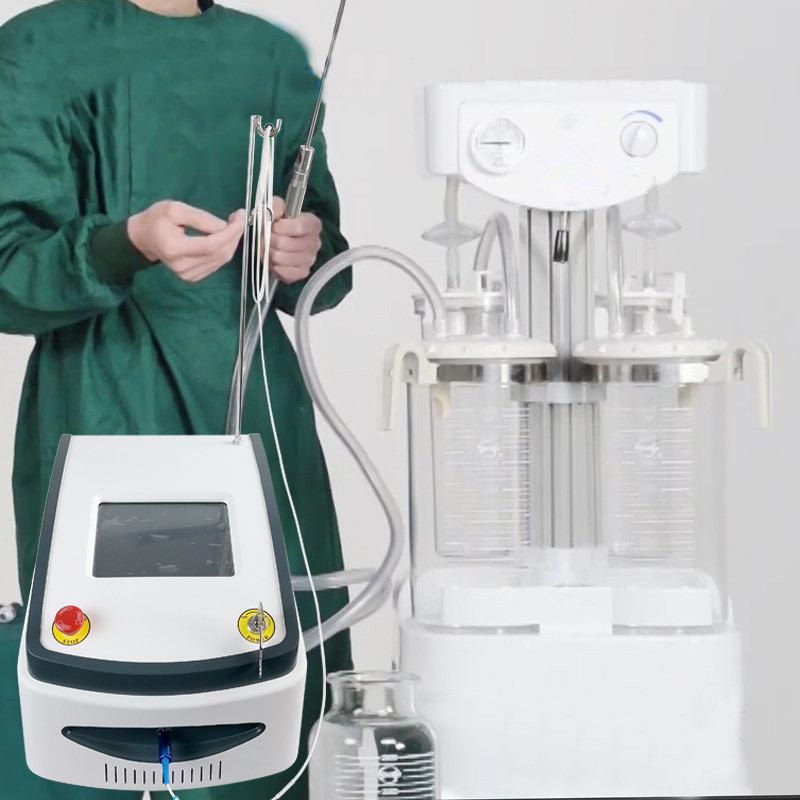
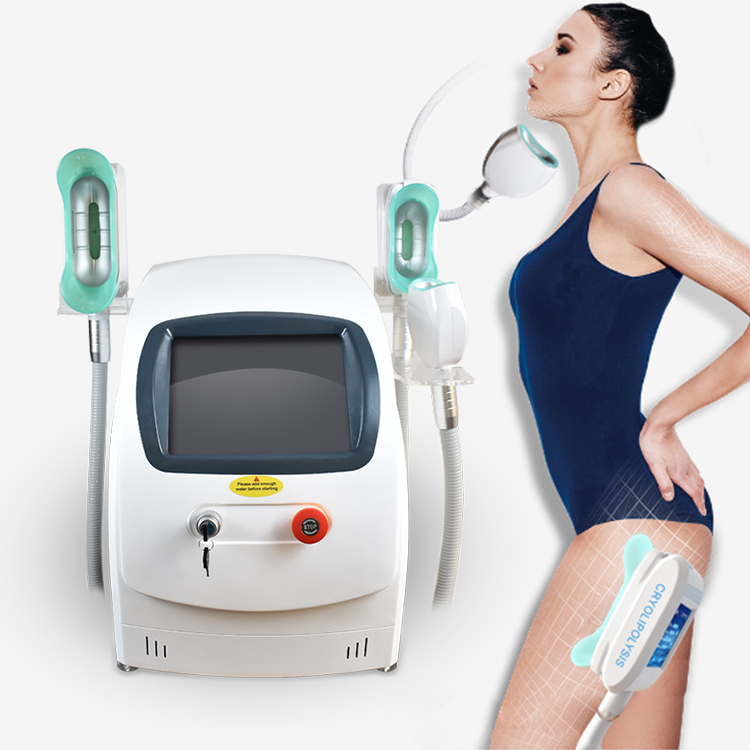
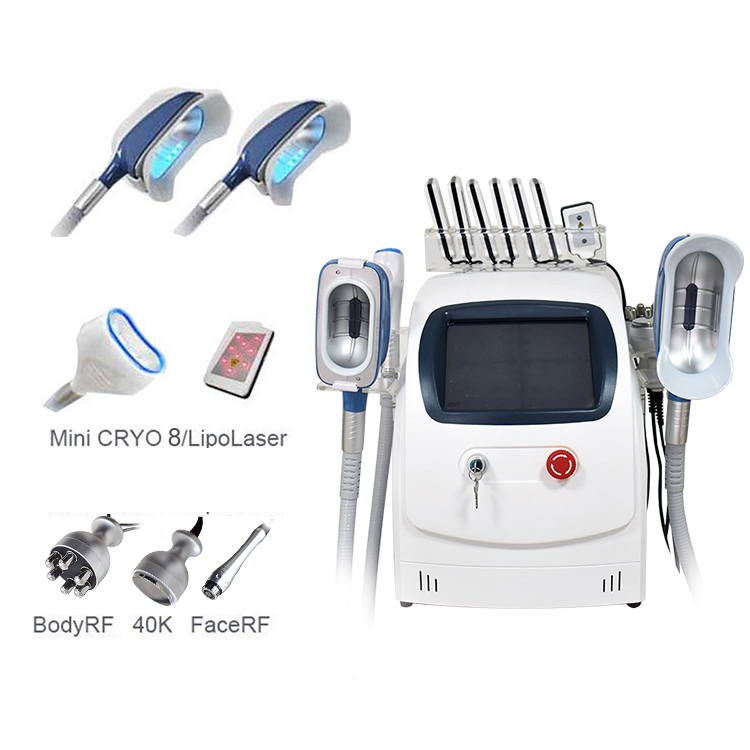
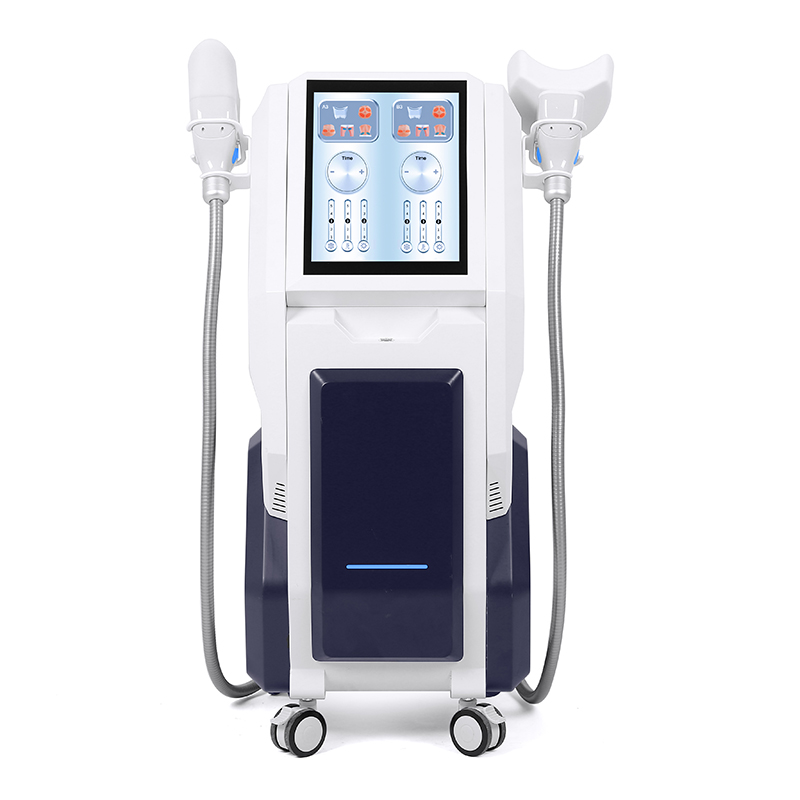
Diode 1470 Laser Lipolysis Ahead of the Curve Your End-to-End Solution
Explore diode 1470 laser lipolysis—the technology reshaping contouring with speed, safety, and predictability. The 1470 nm wavelength targets fat while sparing skin, and when paired with real-time monitoring and integrated cooling, downtime falls and patient satisfaction rises, keeping clinics ahead of the curve. From procurement view, an end-to-end solution is more than a device. It requires reliable supply of diodes, handpieces, software, service plans, and consumables. A strong partner offers clear documentation, regulatory alignment, and scalable configurations for clinics of any size, with reliable lead times. Global buyers should weigh risk, durability, and total cost of ownership, including traceability, quality systems, spare parts, warranty, training, and after-sales support. Consider lead times, platform compatibility, data security, and software updates. A complete end-to-end package provides more than the device—an ecosystem that accelerates adoption and growth.
| Dimension / Feature | Parameter | Unit | Typical Value / Range | Notes |
|---|---|---|---|---|
| Wavelength | Central Wavelength | nm | 1470 | Specific to diode lipolysis; targets adipose tissue with controlled tissue interaction. |
| Delivery Mode | Emission Mode | — | Pulsed diode with fiber delivery | Allows localized energy deposition with adjustable parameters. |
| Pulse Width | Pulse Duration | ms | 30–60 | Short pulses balance efficacy and safety margins. |
| Energy per Pulse | Pulse Energy | J | 0.6–1.8 | Lower to mid-range commonly used for patient comfort; higher ranges may be used under supervision. |
| Repetition Rate | Pulse Rate | Hz | 1–6 | Controls total energy delivery per minute. |
| Spot Size | Delivery Spot Diameter | mm | 8 | Typical spot size for various body zones; may be adjusted with handpiece. |
| Fluence | Energy Density | J/cm² | 0.5–1.5 | Effective range for adipocyte lipolysis with surface cooling. |
| Cooling | Cooling Mechanism | — | Integrated contact/air cooling | Minimizes surface heating and enhances patient comfort. |
| Treatment Time per Zone | Session Time | minutes | 3–8 | Varies by area, thickness of adipose layer, and practitioner protocol. |
| Expected Outcome | Circumference Reduction | % | 1.5–4.0 | Based on short-term clinical observations; results depend on individual physiology and adherence to protocol. |
| Safety & Standards | Regulatory Compliance | — | ISO 13485; CE | Indicates conformity with medical device quality systems and essential safety requirements. |
| Throughput | Sessions per Day | patients/day | 4–6 | Assumes standard clinic workflow and 15–20 minute per-patient cycle including setup. |
Related Products


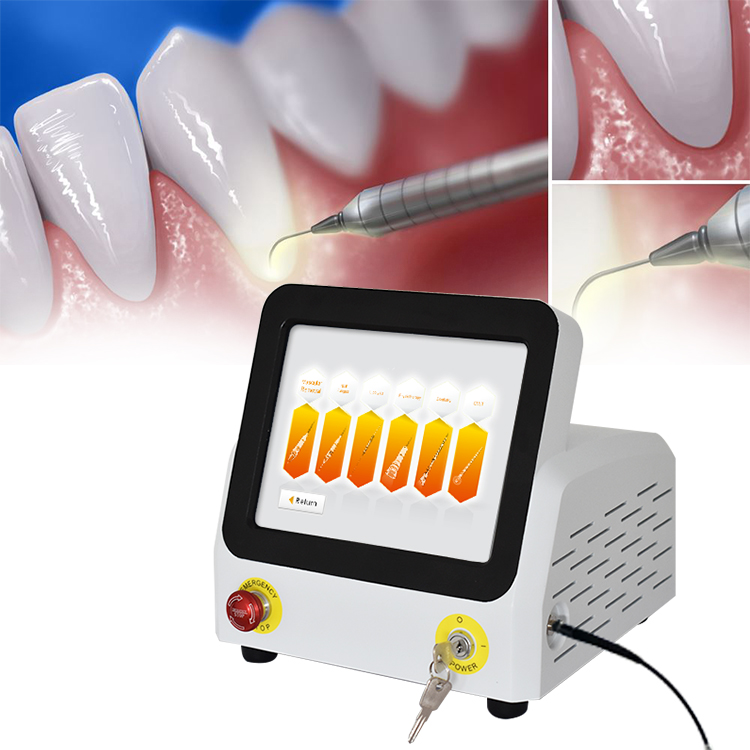

Diode 1470 Laser Lipolysis For the Current Year Leads the Global Market
Top Selling Products
- Related Blog
- Reviews
