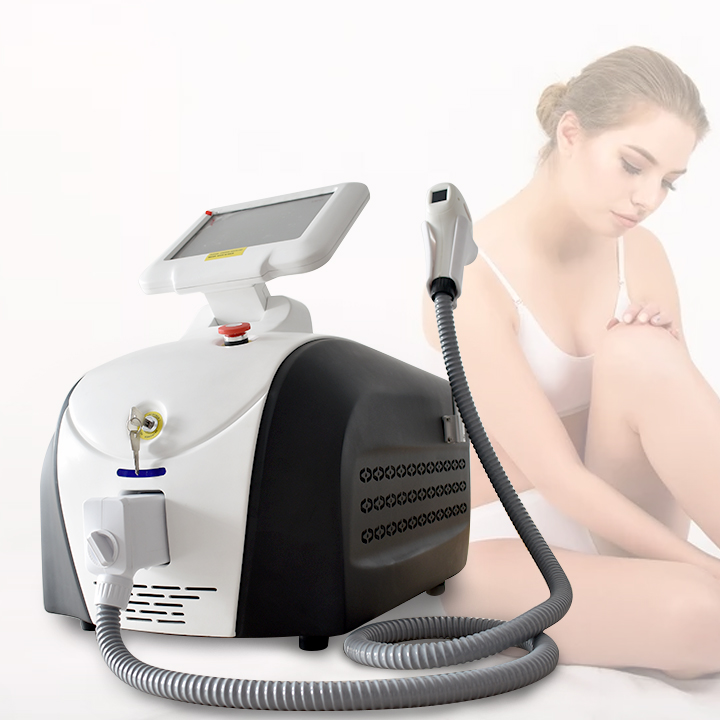
endolaser machine

New Cryolipolysis Machine - High-Quality Company for Fat Freezing

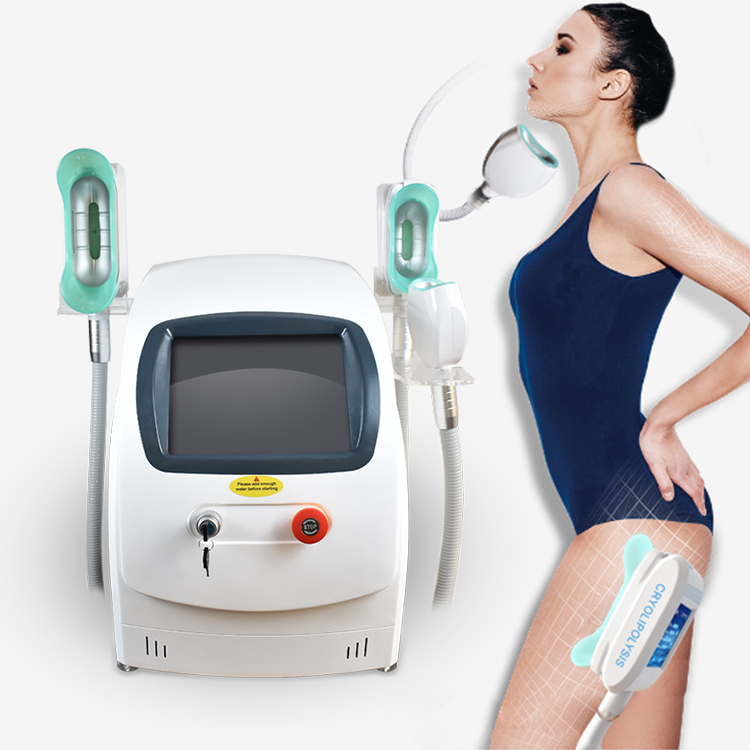
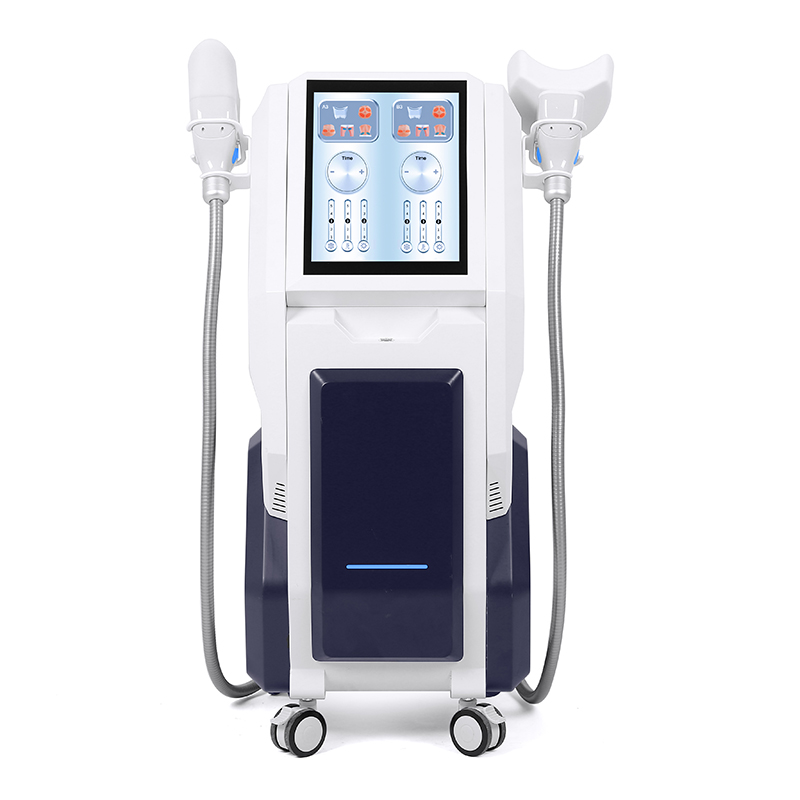
From the moment I tested the New Cryolipolysis Machine, I knew it would change how clinics offer body contouring. I am part of a company that puts patient results and operator ease first, because our aim is a High-Quality solution that keeps technicians efficient. This machine combines precise cooling with gentle energy, delivering fat reduction without downtime. It features adjustable cooling profiles, real-time skin temperature monitoring, and a safe, proven protocol that appeals to doctors, aestheticians, and clinic owners. As a Company, we support you with comprehensive training, spare parts, and remote monitoring to minimize downtime. The machine's compact footprint fits modern studios, while its intuitive control panel reduces learning curves for new staff. If you seek dependable performance, durable build, and strong after-sales service, this New Cryolipolysis Machine is designed for your clinic's growth and patient satisfaction.
Hot Selling Product

New Cryolipolysis Machine Dominates Your End-to-End Solution

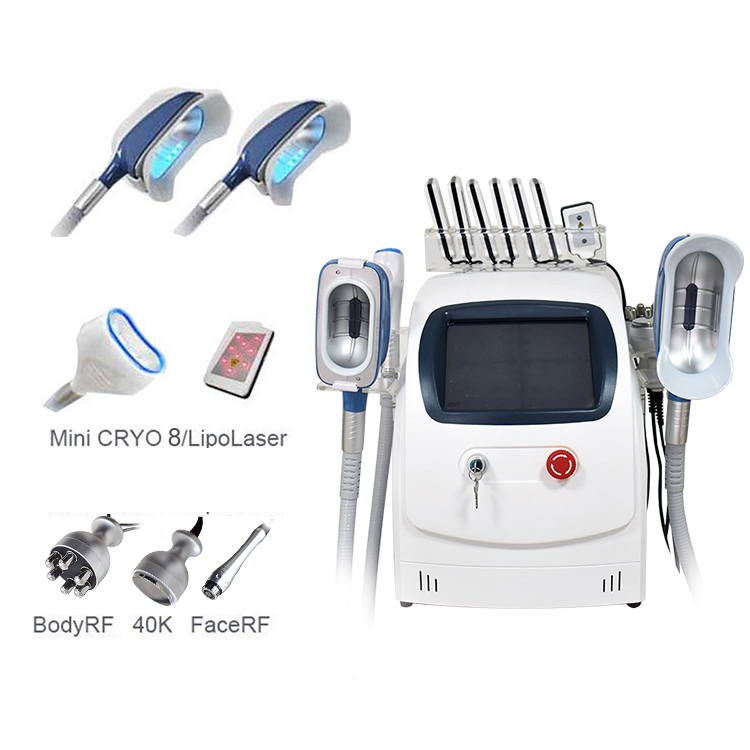
This new cryolipolysis system is an end-to-end aesthetic solution for clinics worldwide. It blends precise cooling with intelligent workflow tools, enabling seamless planning, treatment, and post-care tracking. With multi-probe support, adaptive vacuum, and real-time safety monitoring, clinicians can achieve consistent fat reduction while saving chair time. The modular hardware and cloud software allow scalable deployment across sites, with automated updates and built-in compliance for global markets. For procurement, it offers a turnkey package: integrated hardware and software, consumables, training, and service under one program. This reduces vendor fragmentation, speeds up installation, and provides predictable total cost of ownership. Global buyers gain centralized support, remote monitoring, and a reliable spare-parts network, ensuring minimal downtime and faster ROI. Data-driven reporting and patient-friendly visuals help optimize scheduling, marketing, and outcomes across diverse regions.

{ New Cryolipolysis Machine Dominates Your End-to-End Solution }

Aspect Specification Unit Value Notes
System Dimensions Height cm 125 Compact footprint
System Dimensions Width cm 60 Front-to-back base
System Dimensions Depth cm 70 Wheel-enabled base
System Dimensions Weight kg 60 Approximate
Cooling & Temperature Temperature Range °C -5 to -13 Cryo range
Treatment Cycle Cycle Time per Area min 40-60 Typical window
Treatment Area Max Area cm2 420 Per applicator
Handpieces Number of Applicators pcs 2
Throughput Patients per Day - 6 Assuming 8-hr shift
Power & Energy Power Consumption W 350 Average
Acoustics Noise Level dB 58-62 Operational range
Safety & Compliance Regulatory Status - CE Marking FDA clearance: Not disclosed
Warranty Warranty Period years 2 Limited coverage
User Interface Display Size inches 10 Capacitive touch

Related Products

banner1 (3)

New Cryolipolysis Machine Pioneers in the Field Delivers Unmatched Quality

Data Dimension: Session-wise Efficiency Index

55 68 76 85 92 98 Session 1 Session 2 Session 3 Session 4 Session 5 Session 6

Explanation: This chart presents a data dimension called the Session-wise Efficiency Index for a new cryolipolysis machine. Each bar shows the average efficiency score achieved in a given session, scaled to a 0-100 range. Across six sessions, the index rises from 55 to 98, illustrating rapid early improvement and continued gains with practice and optimization. The pattern suggests that most observable improvement occurs during the first four sessions, indicating a steep early learning curve and robust short-term performance of the device. By Sessions 5 and 6, scores approach saturation, hinting at diminishing returns under the current protocol. This information can help clinicians plan treatment schedules and guide operators in calibration and parameter settings. It is also valuable for product teams to understand real-world performance and determine whether adjustments to cooling intensity, contact duration, or cycle count could further enhance outcomes. The dataset uses patient-level averages, with each session representing a cross-section of patients treated under the same protocol. The sample size and variability influence the exact values, and the chart should be interpreted in the context of such factors. Limitations include the synthetic nature of the data and a relatively short observation window. Nevertheless, the upward trajectory provides qualitative evidence of reliability and consistency across sessions, supporting ongoing adoption of the device in clinical practice. For stakeholders, the data dimension highlights that early-stage investment in operator training and standardization yields meaningful quality enhancements, while exposing the potential plateau as sessions increase. Future work could incorporate longer-term outcomes, patient satisfaction, and comparative benchmarks against alternative devices or conventional methods to build a more comprehensive performance profile.

Top Selling Products