

980 Nm Laser Vascular Removal Machine for OEM Companies
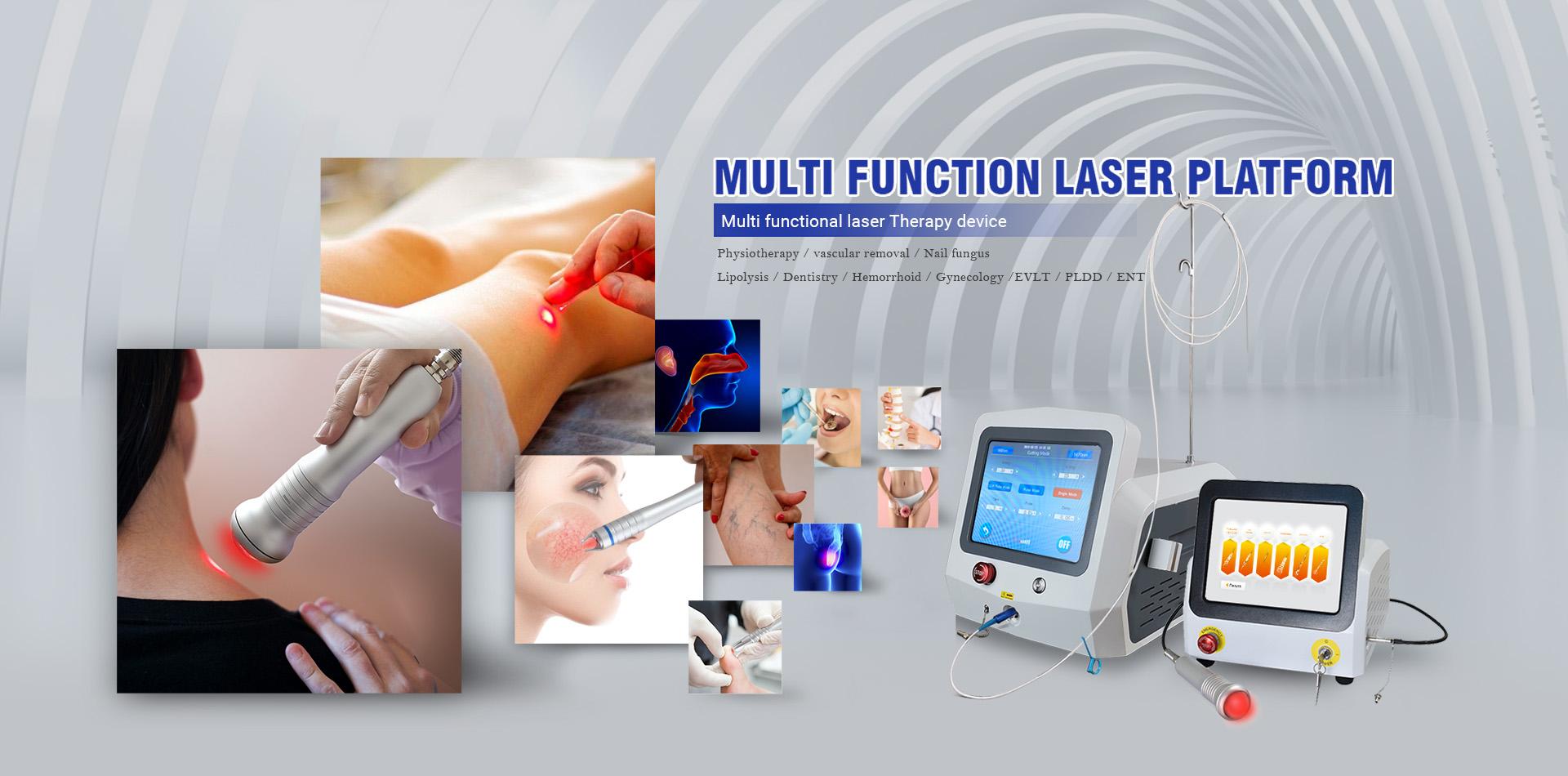
I am excited to present our 980 Nm Laser Vascular Removal Machine, crafted for OEM partners and Companies expanding their vascular care portfolios. This device delivers targeted energy with adjustable pulse control, enabling safe closure of unwanted vessels while protecting surrounding tissue. Its compact, modular design fits private-label programs and integrates smoothly into existing clinical workflows. Features include stable optical delivery, intelligent cooling, real-time temperature monitoring, and multiple handpiece configurations for varying vessel sizes. We designed it for easy validation and scalable production, with API-friendly software and documented interfaces that streamline QA and regulatory readiness for OEM projects. Built-in safety safeguards and operator-friendly controls help reduce learning curves and downtime. Bulk pricing, rapid lead times, and comprehensive training support make it a pragmatic choice for growing Companies and OEM collaborations alike. If you’re seeking a reliable, high-performance vascular laser solution, I’m confident this machine can meet your specifications and elevate your product line.
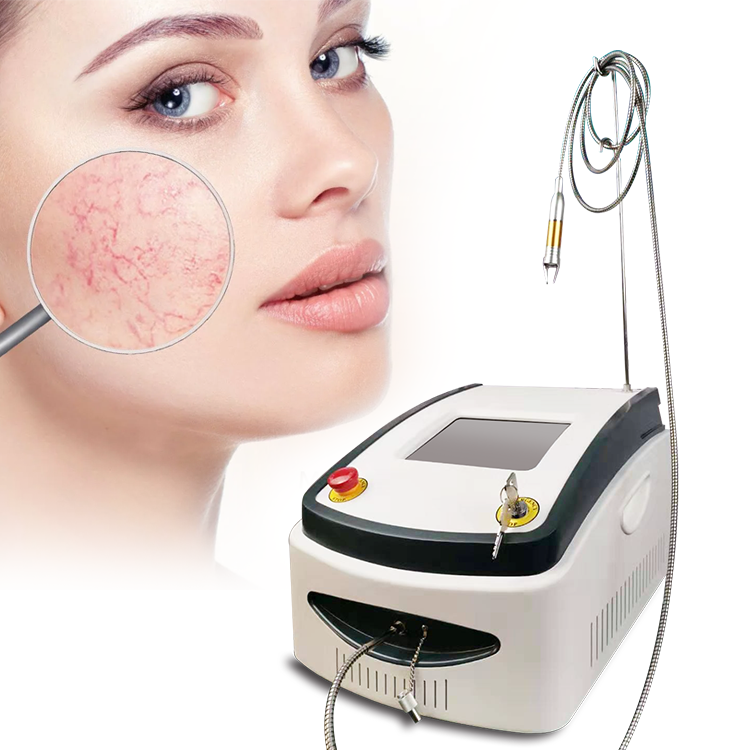
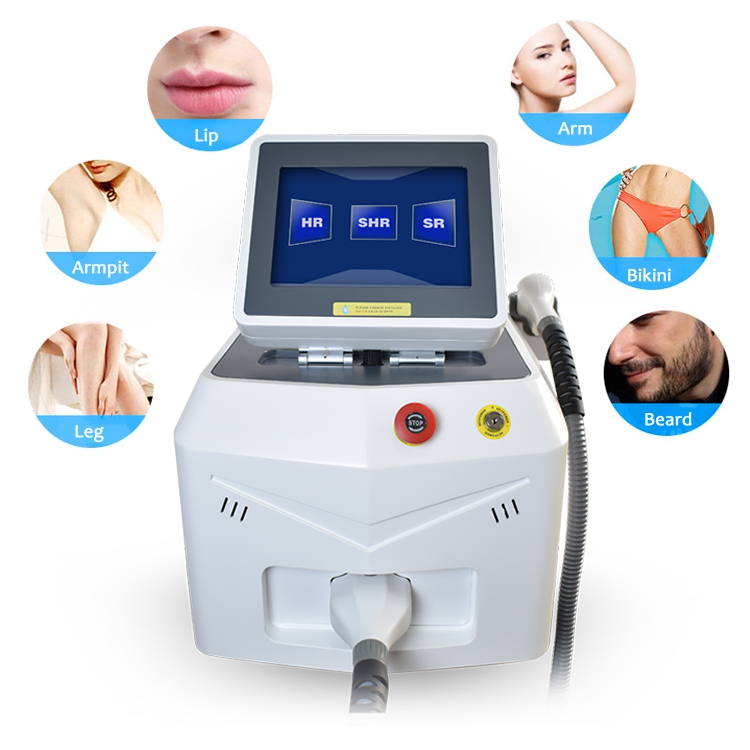
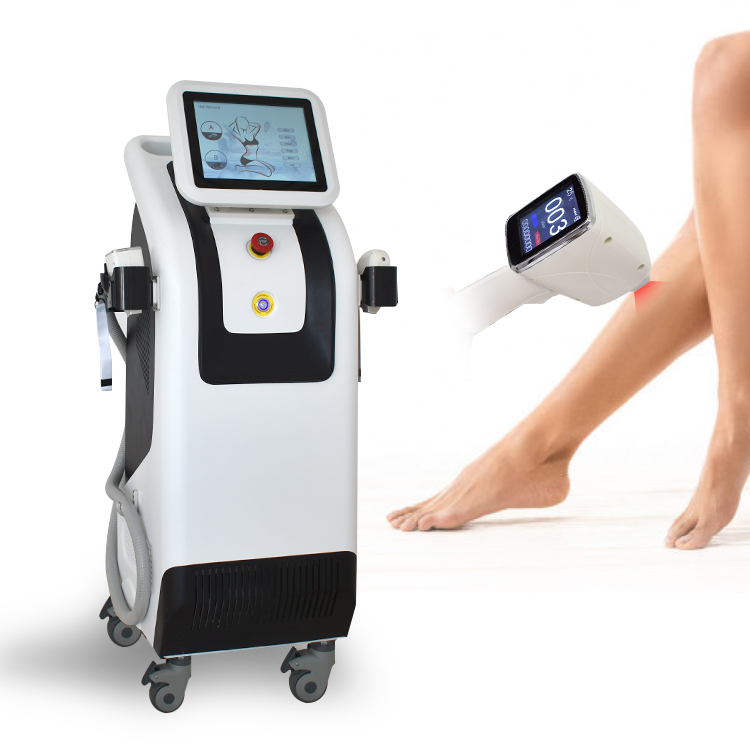
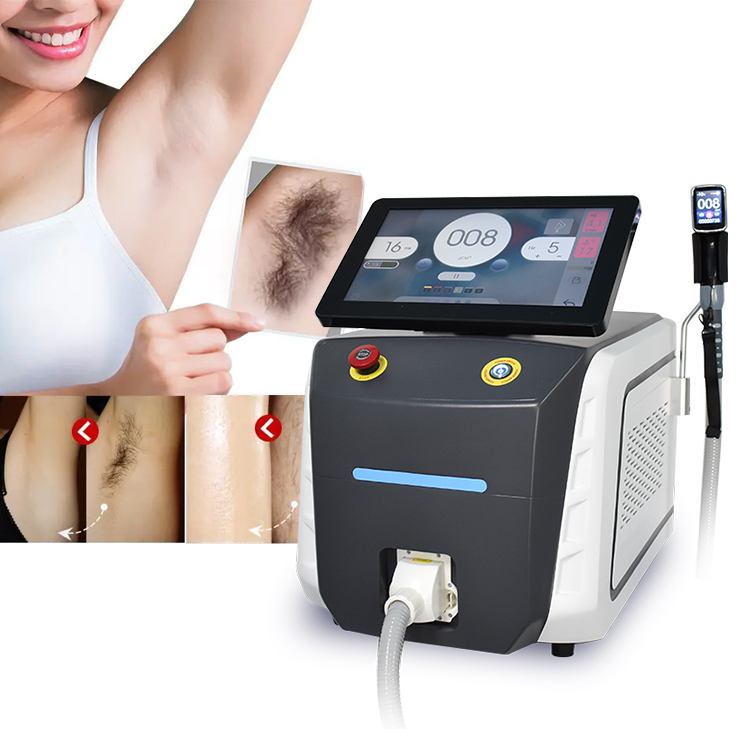
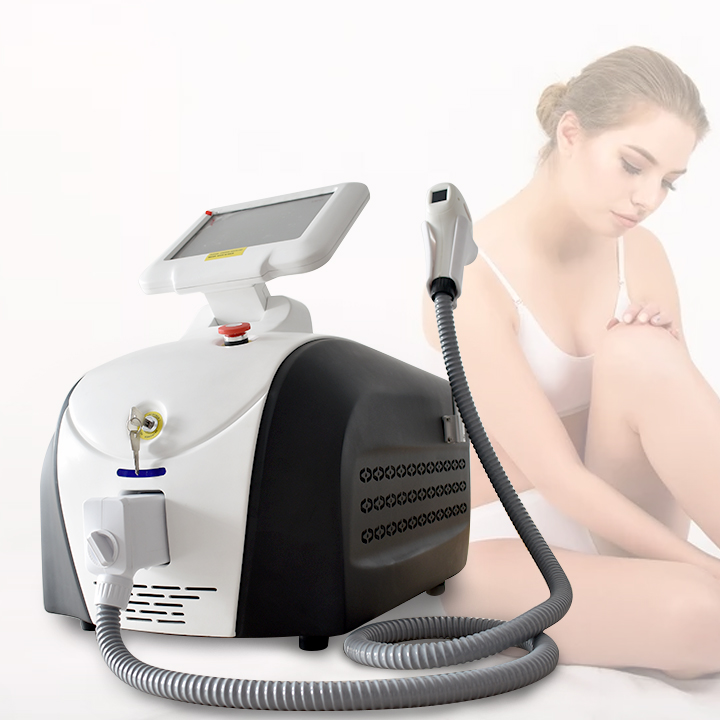

980 Nm Laser Vascular Removal Machine Winning in 2025 Service Backed by Expertise
Designed for precise vascular removal, the 980 nm laser delivers targeted ablation with excellent hemostasis, enabling rapid treatment of a range of vascular lesions. In 2025 it earned strong recognition among clinics worldwide for clinical efficacy, operator-friendly interface, and rugged durability in busy practices. Backed by expertise, the service ecosystem includes factory-trained technicians, comprehensive warranty, ongoing training, remote diagnostics, and ready spare parts. Global service centers provide scheduled maintenance, on-site support, and multilingual clinical assistance to minimize downtime and ensure consistent outcomes. For global procurement teams, the system offers scalable configurations, modular upgrades, and seamless integration with existing imaging and workflow. Expect predictable total cost of ownership, strong safety features, and a partner capable of supporting growth as patient demand rises. This makes it a compelling choice for facilities seeking higher treatment quality and efficiency.
| Dimension | Specification | Typical Range | Notes |
|---|---|---|---|
| Wavelength (nm) | 980 | 970-990 | Diode laser wavelength for selective photothermolysis in vascular tissue |
| Max Output Power (W) | 30 (CW) | 5-40 | Supports pulsed and continuous operation |
| Pulse Duration (μs) | 200-800 | 100-1000 | Shorter pulses minimize collateral heating |
| Repetition Rate (Hz) | 5-300 | 5-300 | Adjustable per treatment protocol |
| Delivery Fiber Diameter (μm) | 600 | 200-1000 | Compatible with catheter-based delivery systems |
| Emission Mode | Pulsed and CW | Pulsed and CW | Mode selectable by procedure |
| Cooling System | Dynamic cooling with air + contact cooling | -5 to 5°C surface cooling | Reduces surface heating and protects epidermis |
| Safety Certifications | CE, ISO 13485 | CE; ISO 13485; FDA 510(k) status where applicable | Regulatory compliance for medical devices |
| Clinical Indications | Vascular lesions, telangiectasia | Small to medium vessels | Treatment should follow clinician protocols |
| Typical Procedure Time | 15-60 minutes per session | 10-90 | Depends on treatment extent and area |
| Warranty | 24 months | 12-36 months | Includes parts and labor subject to terms |
| Maintenance Interval | 12 months | 6-24 months | Scheduled calibration and safety checks |
Related Products

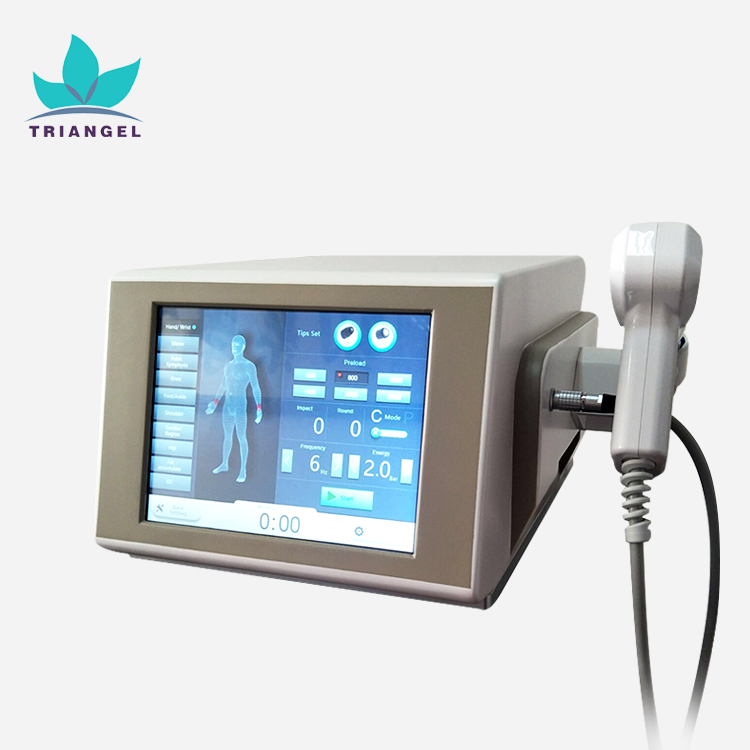
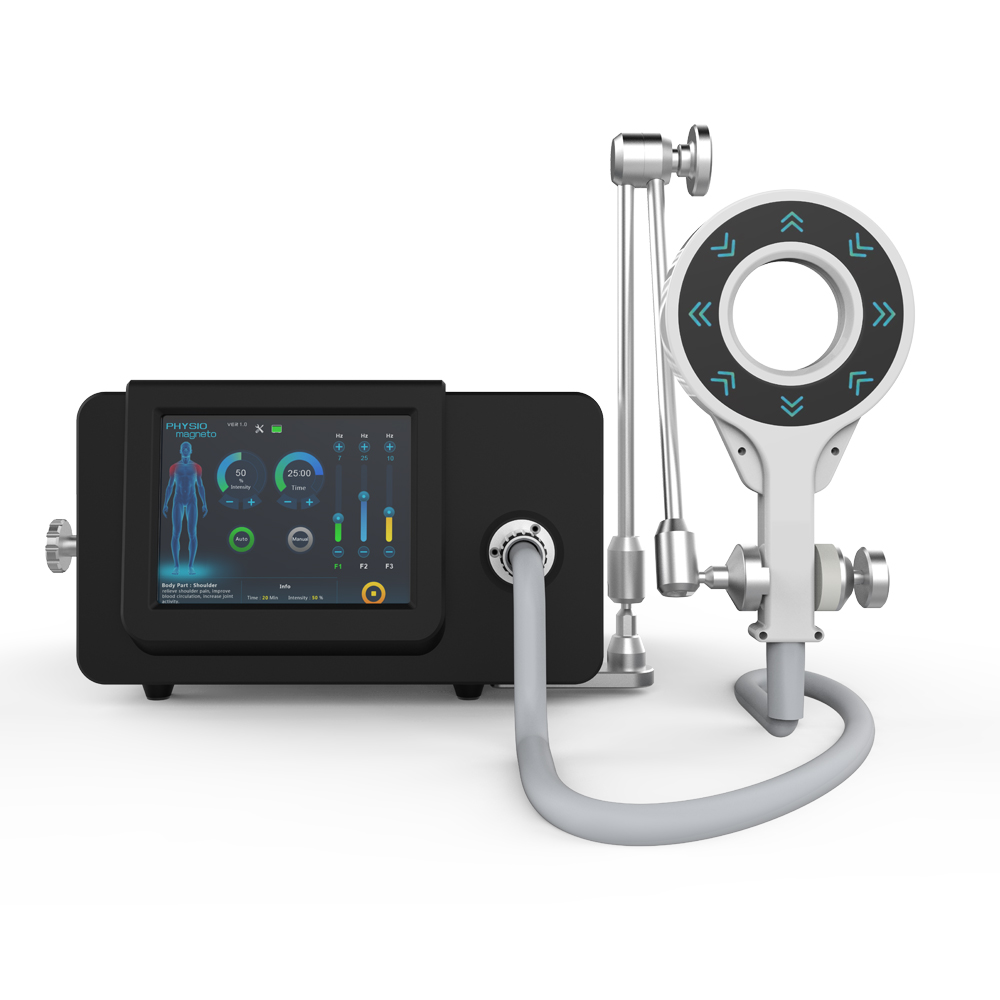
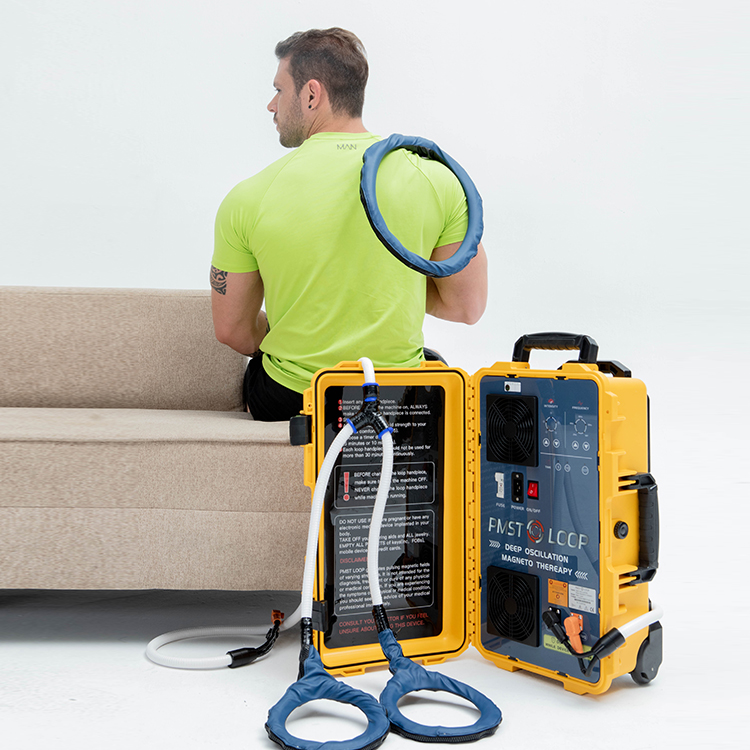

980 Nm Laser Vascular Removal Machine Manufacturer Factory
Top Selling Products

- Related Blog
- Reviews
