
Shockwave Therapy Muscle ODM Product - Customizable Medical Solutions
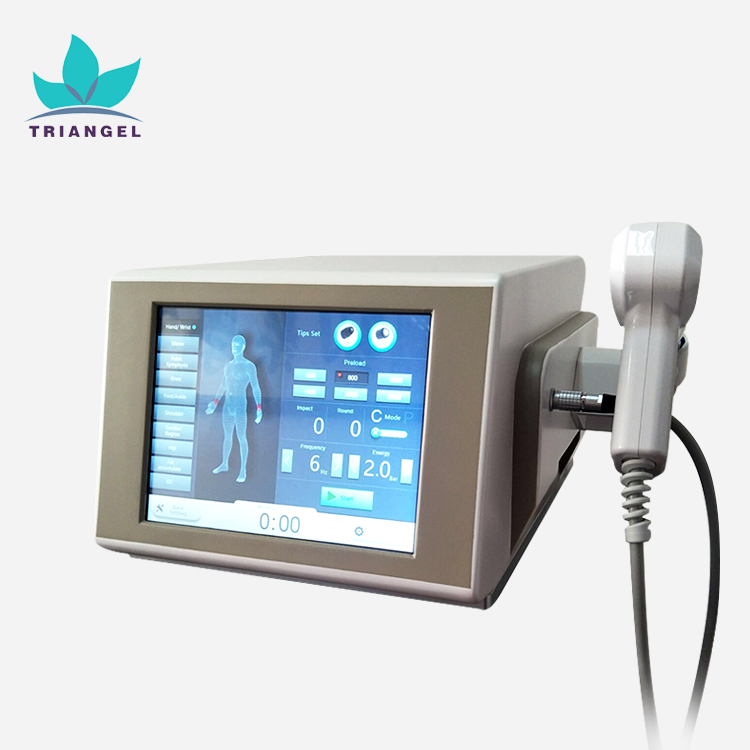
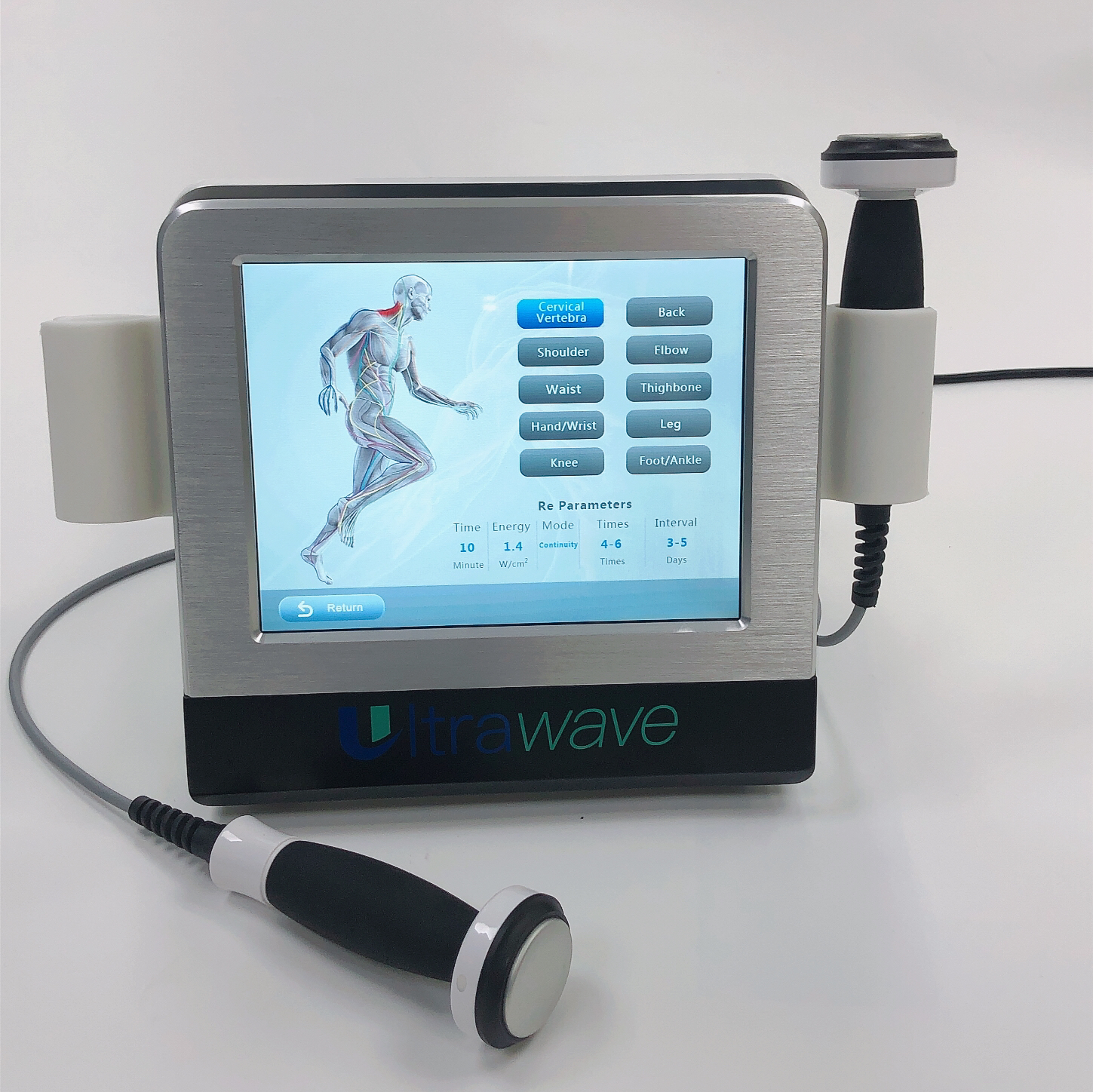
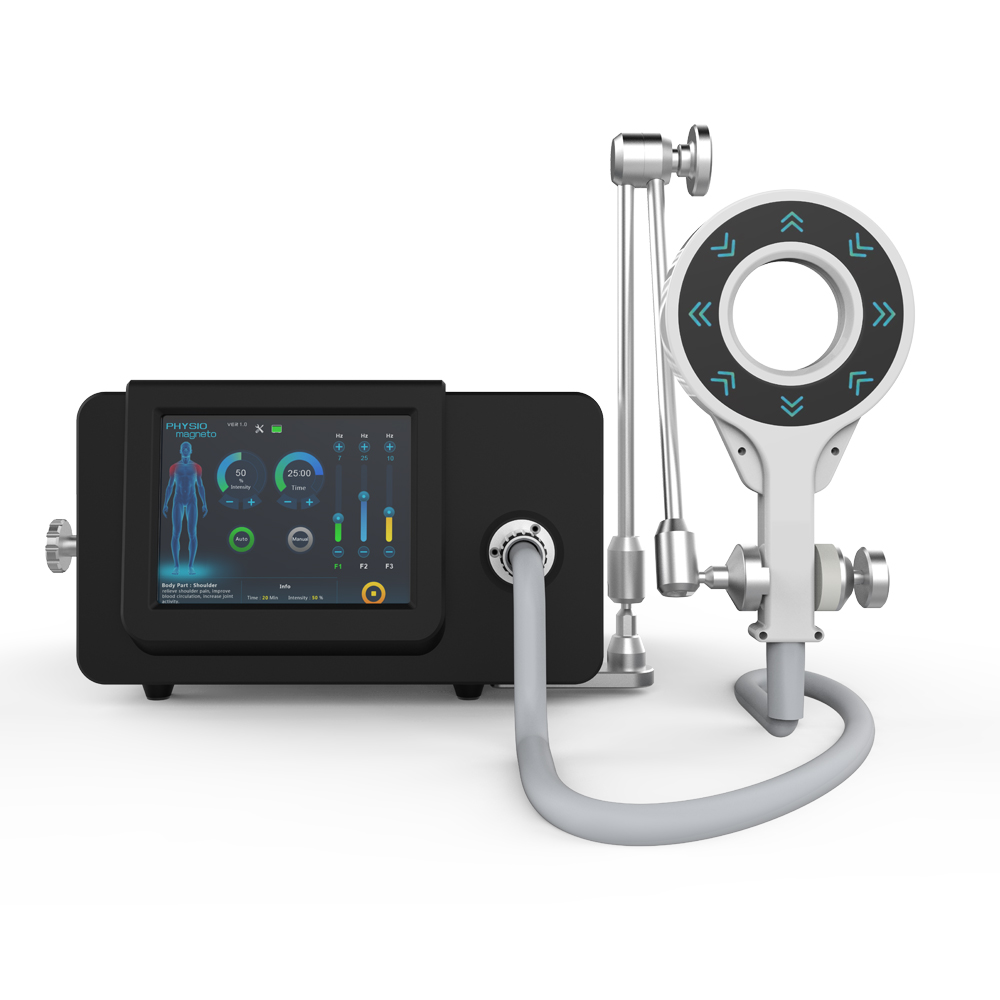
We are proud to offer a versatile Shockwave Therapy Muscle system crafted for clinics, sports rehab centers, and OEM clients. With our ODM-ready design, I mean we will partner with you for customization on form, functionality, and branding to fit your Product line. This device delivers high-energy, focused acoustic waves to speed up muscle repair, reduce tension, and improve range of motion. In practice, practitioners can select adjustable frequency, energy flux, and treatment time to tailor each session to patient needs. For buyers like you, this is not just a device; it's a scalable solution that supports bulk orders, white-labeling, and a streamlined supply chain. We support you with certification-ready documentation, spare-part availability, and robust after-sales service. If you aim to expand your Product portfolio or enter new markets with a reliable ODM partner, this system is ready to integrate into your existing workflow and brand experience.


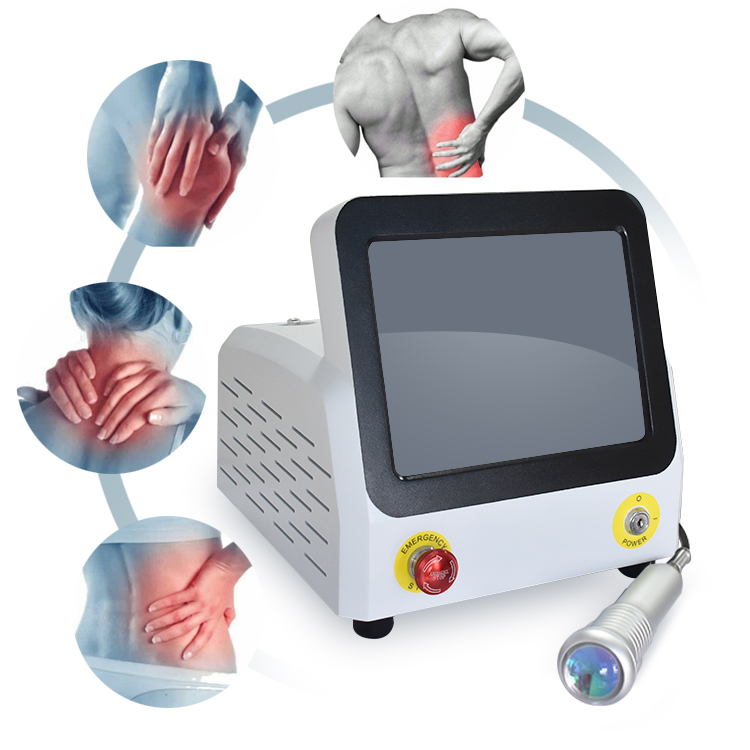
Shockwave Therapy Muscle Application Leads the Global Market
Shockwave therapy for muscle applications is redefining non-surgical care in sports medicine, orthopedics, and rehabilitation. Global demand is rising as patients seek rapid, non-invasive relief from myofascial pain, tendinopathies, and muscle strains, with quicker recoveries and durable outcomes. Advances in radial and focused wave devices, clearer treatment protocols, and growing clinical evidence are boosting confidence among providers and payers, fueling sustained, multi-regional growth. For global purchasers, success hinges on balancing performance, reliability, and total cost of ownership. Key considerations include energy range and pulse variability, treatment head options, ease of use, service networks, spare parts availability, and strong safety features. Seek devices with validated performance data, standardized workflows, and robust training support, plus scalable configurations that fit expanding clinic networks. Regulatory compliance and responsive after-sales support are essential to protect long-term value.
| Region | Market Size 2023 (USD bn) | CAGR 2024-2029 (%) | Installed Base (k devices) | Avg Sessions per Patient per Year | Reimbursement Coverage (%) | Key Indications |
|---|---|---|---|---|---|---|
| North America | 2.8 | 6.5 | 28 | 12 | 75 | Muscle strain, tendinopathy, myofascial pain |
| Europe | 2.0 | 7.2 | 22 | 11 | 68 | Tendon injuries, plantar fasciitis, lateral epicondylitis |
| Asia-Pacific | 3.3 | 9.0 | 35 | 10 | 45 | Rotator cuff injuries, myofascial pain, knee osteoarthritis |
| Latin America | 0.4 | 5.5 | 8 | 9 | 40 | Shoulder impingement, back pain, heel pain |
| Middle East & Africa | 0.3 | 6.0 | 5 | 8 | 30 | Sports injuries, chronic pain |
Related Products
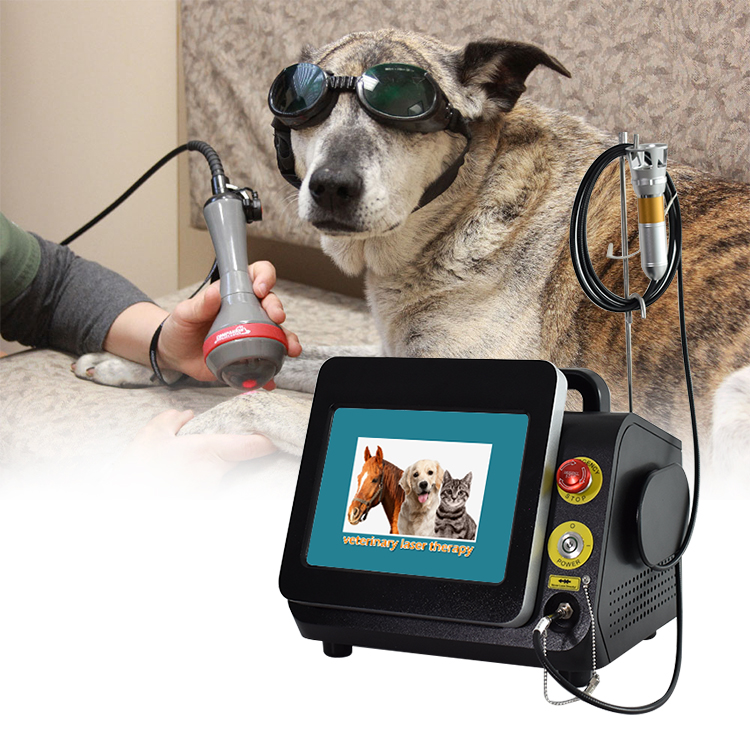

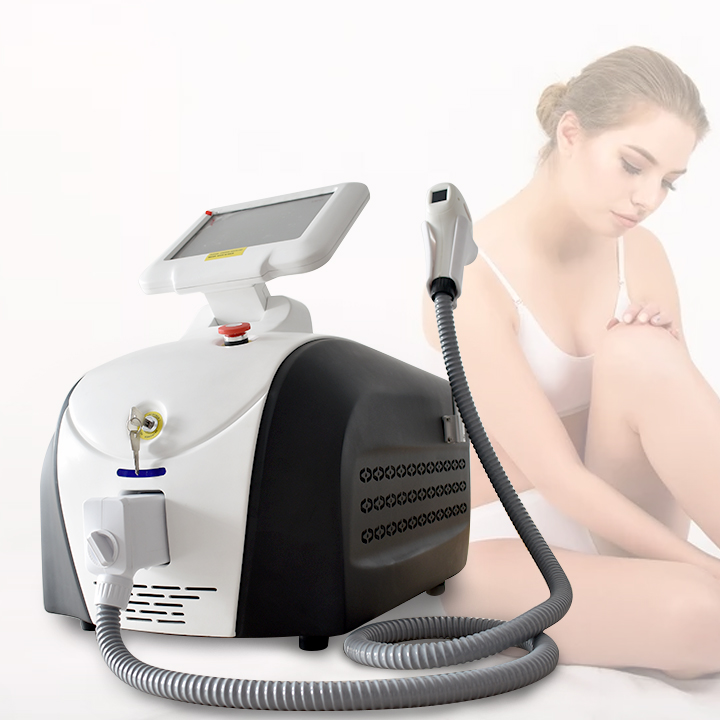
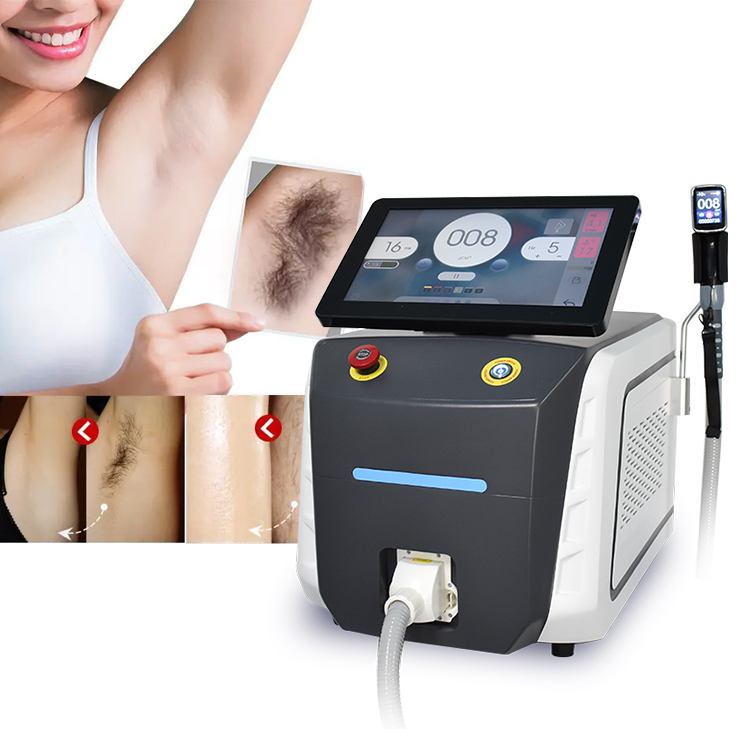

Shockwave Therapy Muscle Manufacturer Sets the Industry Standard
Top Selling Products
- Related Blog
- Reviews
