

Semiconductor Vaginal Laser - CE Certification & Products
I’m proud to introduce our Semiconductor Vaginal Laser to clinics seeking reliable, minimally invasive female wellness solutions. This device uses compact semiconductor energy to deliver controlled, non-ablative pulses that tighten and rejuvenate vaginal tissue with quick recovery. In practice, we emphasize safety, ergonomic handpieces, and real-time feedback to protect tissue while delivering consistent results. The system integrates smoothly with existing rooms and supports multiple treatment protocols, making it suitable for both outpatient and specialty settings. Our commitment to CE Certification demonstrates our adherence to rigorous safety standards, and we provide thorough training and responsive after-sales support. You can choose from a carefully curated range of Products designed to fit your practice size and budget, from entry-level kits to advanced configurations, ensuring scalable investment. If you’re evaluating pelvic-health devices, I’m here to help you assess ROI, patient satisfaction, and clinic workflow with confidence.


Semiconductor Vaginal Laser Service in 2025
Across global clinics and medical aesthetic centers, semiconductor-based vaginal laser platforms are redefining possibilities in 2025. Buyers seek devices that deliver precise tissue interaction, repeatable results, shorter procedure times, and safer thermal management. The latest designs emphasize compact footprints, modular optics, and energy-efficient operation, enabling easier integration into diverse clinical workflows and faster ROI across international markets. Smart procurement in this space focuses on regulatory readiness, quality assurance, and service networks. Key criteria include ISO-compliant manufacturing, regulatory classifications suitable for target regions, verified sterilizable consumables, and durable spare parts. A reliable supplier offers Tier-1 certifications, long-term firmware and calibration support, trained field service teams, and scalable configurations to meet regional demands and volume commitments.
{ Semiconductor Vaginal Laser Service in 2025 }
| Region | Facility Type | Device Technology | Wavelength (nm) | Pulse Mode | Treatment Duration (min) | Sessions per Case | Anesthesia | Avg Patient Age | Efficacy (%) | Complication Rate (%) | Avg Recovery (days) |
|---|---|---|---|---|---|---|---|---|---|---|---|
| North America | Hospital-affiliated Clinic | Semiconductor Diode Laser | 980 | Pulsed | 25 | 1 | Topical | 39 | 82 | 2 | 2 |
| Europe | Medical Spa | Semiconductor Diode Laser | 1470 | Fractional | 28 | 2 | Topical | 42 | 85 | 1 | 2 |
| Asia-Pacific | Clinic | Semiconductor Diode Laser | 980 | Pulsed | 22 | 1 | None | 35 | 78 | 1 | 2 |
| Latin America | Private Clinic | Semiconductor Diode Laser | 1064 | Pulsed | 26 | 1 | Topical | 33 | 75 | 2 | 2 |
| Middle East & Africa | Hospital | Semiconductor Diode Laser | 980 | Pulsed | 24 | 1 | Topical | 37 | 80 | 2 | 2 |
| Sub-Saharan Africa | Clinic | Semiconductor Diode Laser | 980 | Pulsed | 23 | 1 | Topical | 34 | 74 | 1 | 2 |
Related Products
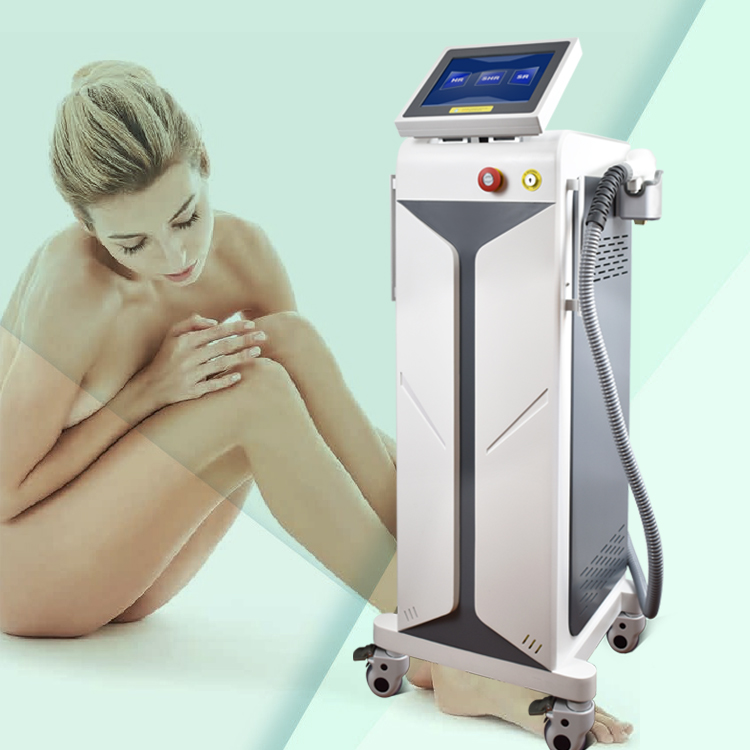
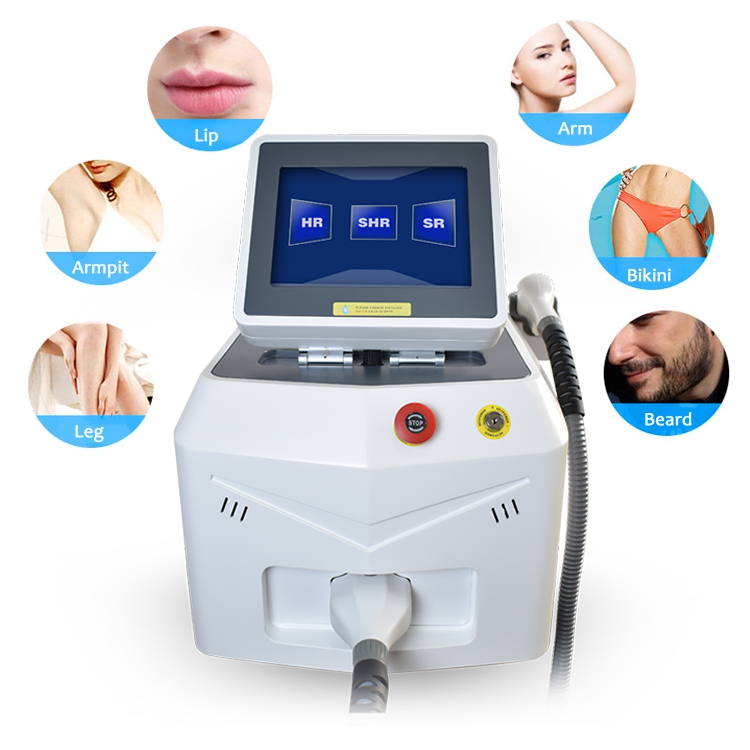


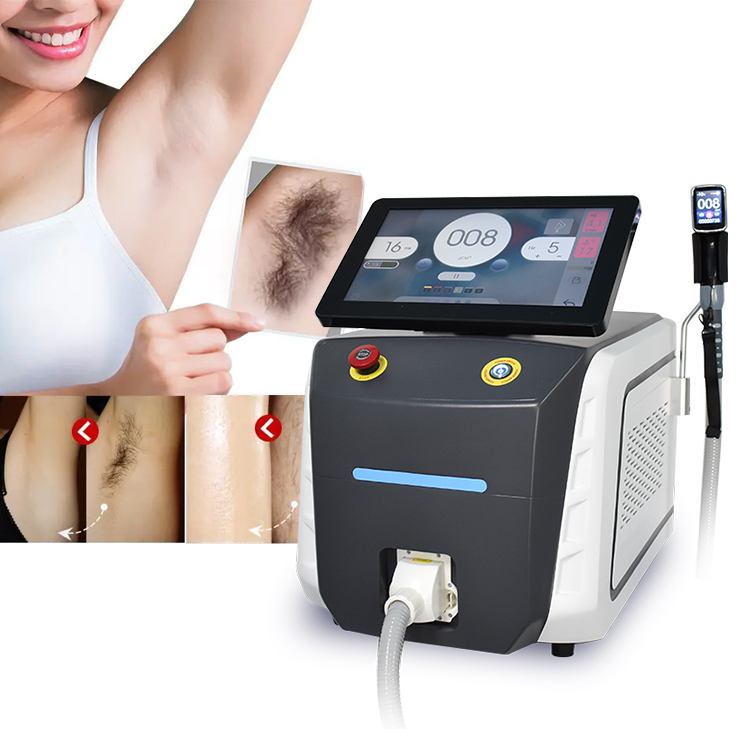

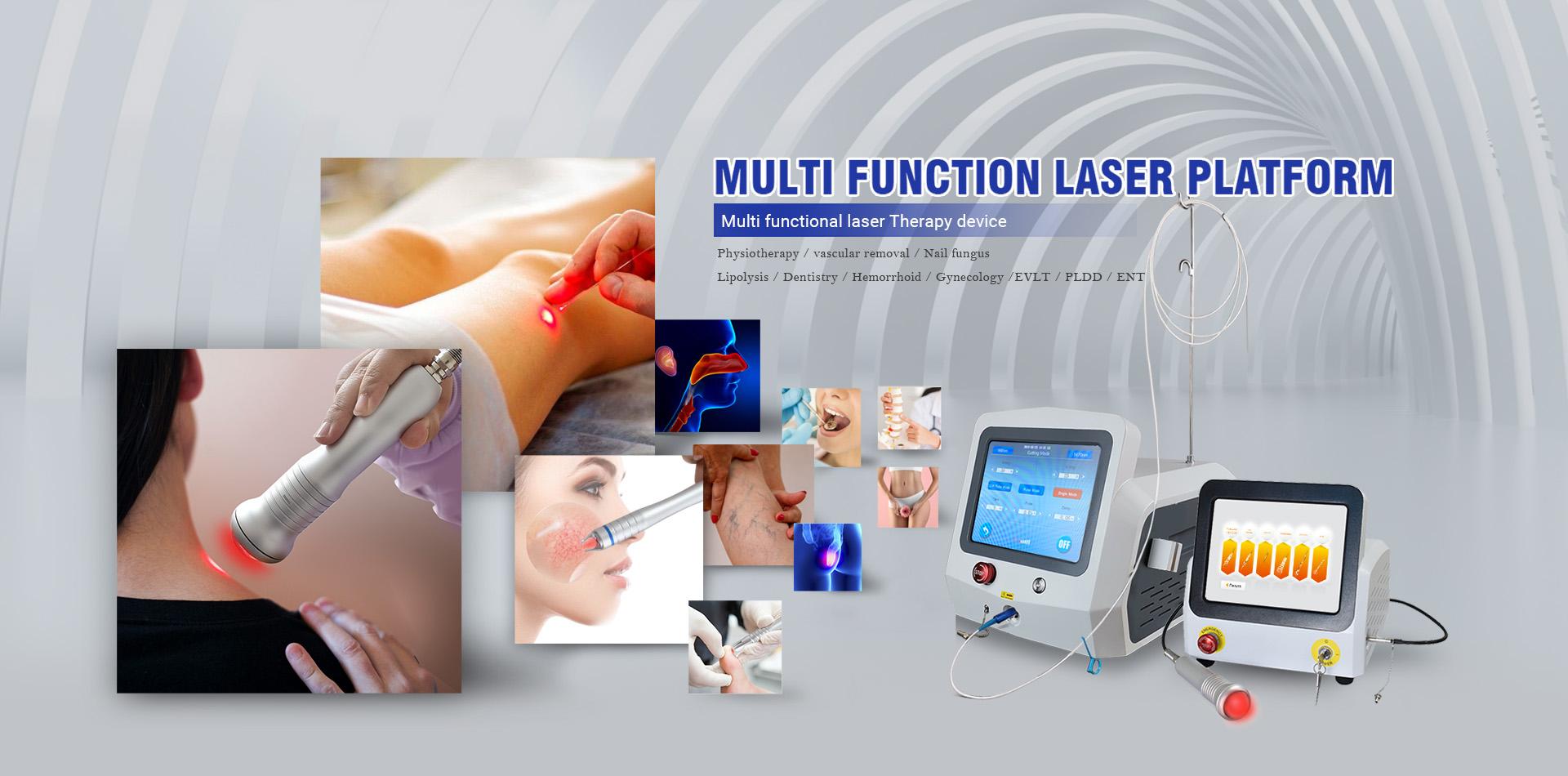
Semiconductor Vaginal Laser Trusted by Pros Factory-Direct Excellence
Top Selling Products


- Related Blog
- Reviews
