

High-Quality Physiotherapy Shockwave Machine - Reputable Company
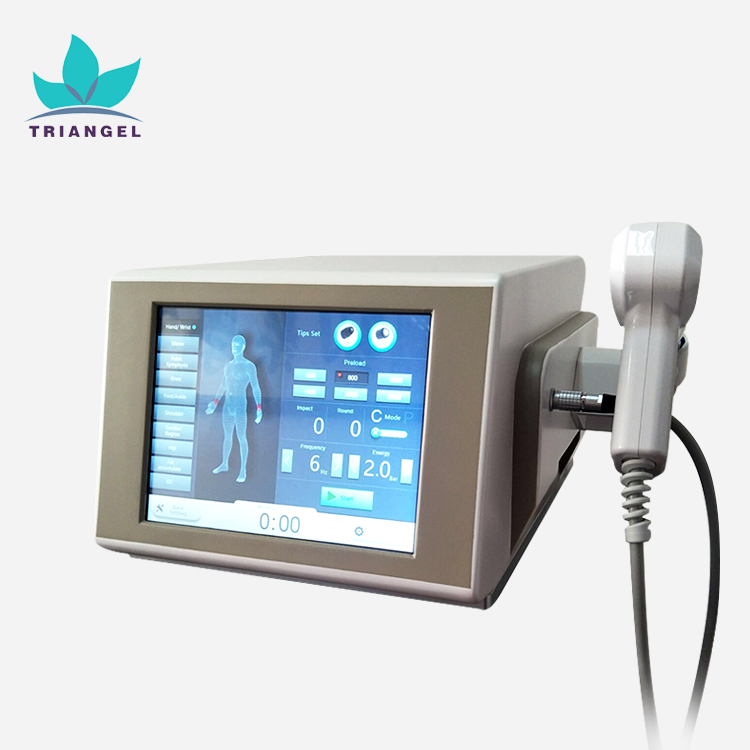
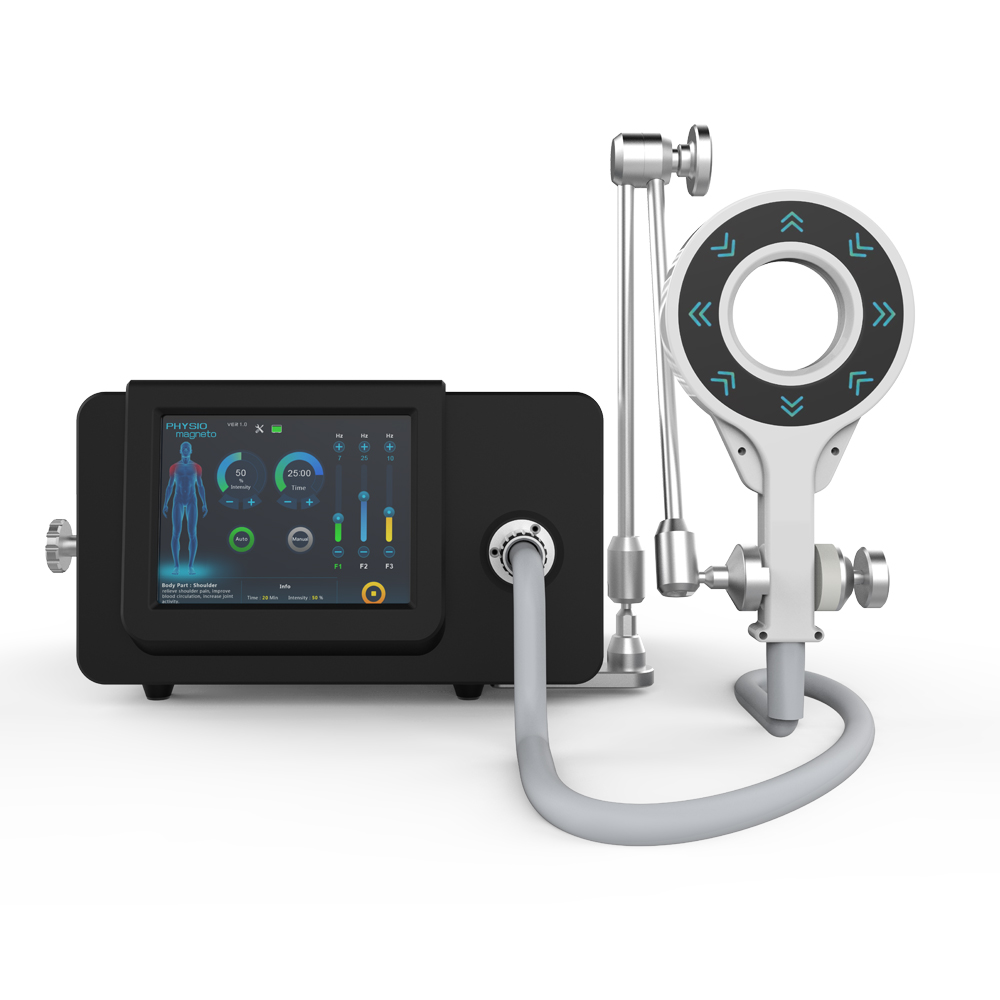
I’m proud to present our Physiotherapy Shockwave Machine, a trusted solution I’ve designed for clinics that demand precise, repeatable results. As part of our Company’s portfolio, this device delivers High-Quality shockwave therapy for musculoskeletal conditions—from tennis elbow to plantar fasciitis and tendinopathies. With adjustable energy, fast treatment cycles, and dual head options, you can tailor sessions to patient needs while maximizing chairside throughput. The machine features a rugged build, intuitive touch interface, and built-in safety protections, so your therapists can focus on care, not calibration. It uses radial shockwaves with controllable frequency and pulse duration, ensuring effective stimulation with minimal discomfort. We supply comprehensive training, maintenance support, and optional accessories to fit your clinic size and budget. If you’re sourcing a durable, cost-efficient Physiotherapy Shockwave Machine for a busy practice, I believe this will elevate your outcomes and your reputation.
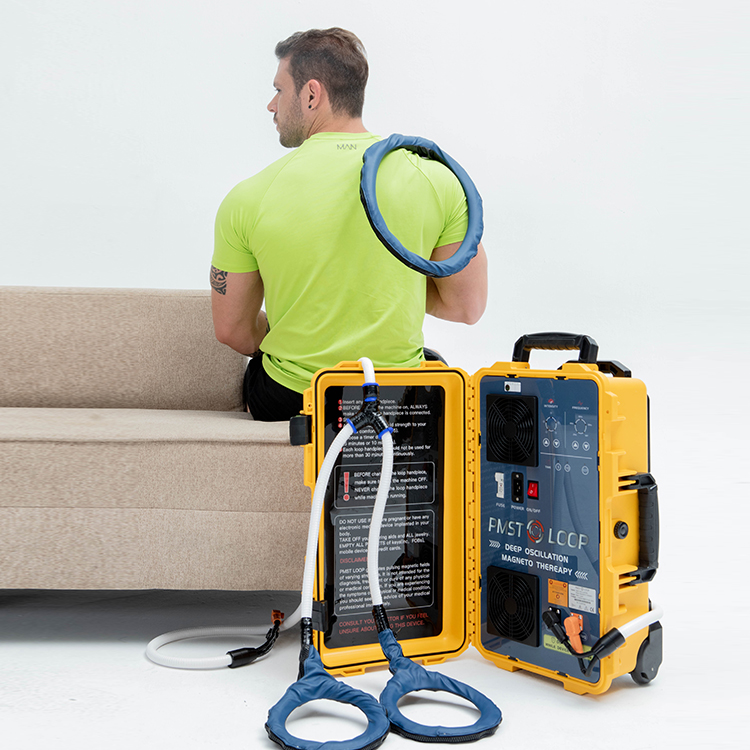
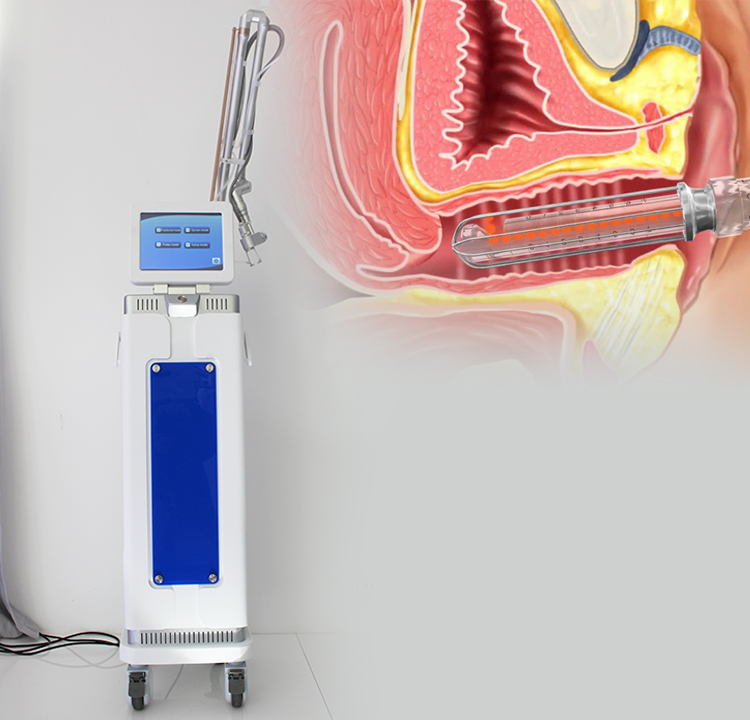
Physiotherapy Shockwave Machine Application Factory-Direct Excellence
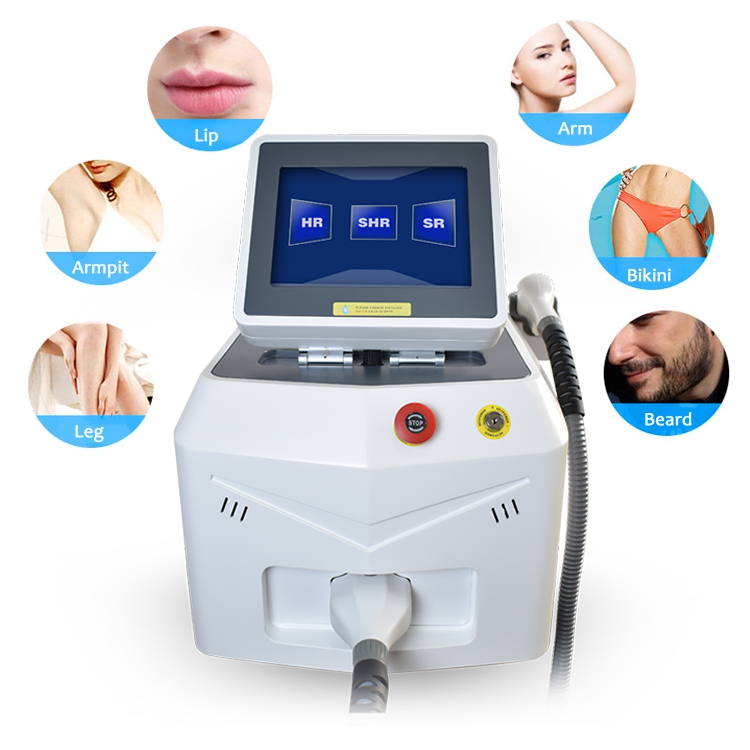
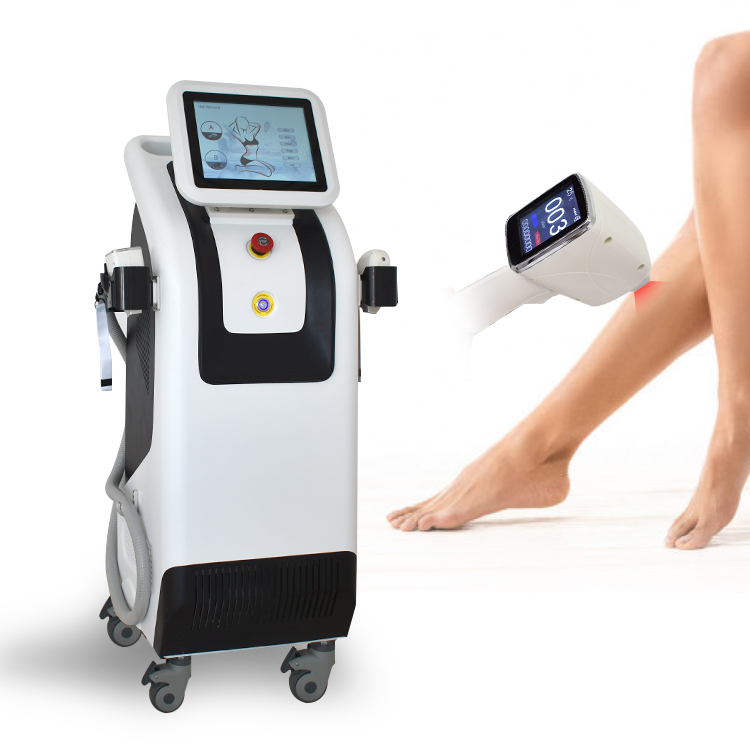
Global buyers looking for dependable physiotherapy shockwave devices will find factory-direct excellence in a versatile lineup designed for sports medicine, orthopedics, and rehabilitation. From compact bedside units to multi-head systems, each model offers precise energy control, ergonomic design, and a user-friendly interface. Rigorous QA and clear maintenance guidance ensure consistent performance across clinics worldwide. Direct access to manufacturing enables transparent pricing, flexible order volumes, and rapid replenishment for international clinics, hospitals, and distributors. Custom options cover software, applicator configurations, and packaging to meet regional regulations. Comprehensive after-sales support, spare parts, and training resources help partners scale deployments globally while maintaining safety, compliance, and long-term value.
Physiotherapy Shockwave Machine Application Factory-Direct Excellence
| Dimension | Parameter | Value | Notes |
|---|---|---|---|
| Device & Model | Model | SWX-01 | Generic multi-application platform |
| Device & Model | Modality | Radial + Focused (optional) | Radial standard; focused head module available |
| Technical Specs | Energy Flux Density (EFD) | 0.12–0.32 mJ/mm² | For soft tissue injuries and tendinopathies |
| Technical Specs | Pulse Frequency | 1.0–4.0 Hz | Adjustable per tissue tolerance |
| Technical Specs | Max Pulse Count per Session | 2000–3000 | Typical treatment window 5–10 minutes |
| Treatment Protocol | Recommended Sessions | 3–6 | 1–2 weeks apart, per tissue |
| Treatment Protocol | Session Duration | 5–10 minutes | Per targeted area |
| Clinical Indications | Common Indications | Tennis elbow; Plantar fasciitis; Shoulder tendinopathy; Achilles tendinopathy | Other tendinopathies may apply |
| Clinical Outcomes | Pain Reduction (VAS) | 2.0–3.5 points | Measured within 6–8 weeks |
| Functional Outcomes | Disability Index Improvement | 15–28% (DASH/MBI) | Depends on baseline function |
| Safety & Tolerability | Adverse Events | Mild soreness 24–48h; transient redness | Low risk when protocol followed |
| Safety & Tolerability | Contraindications | Bleeding disorders; pregnancy; infection near treated area | Screen per clinical guidelines |
| Maintenance | Cleaning & Calibration | Daily cleaning; weekly calibration | Keep log of service checks |
| Compliance | Certifications | CE; ISO 13485 | Medical device compliance |
| Operational Footprint | Weight | 8.5 kg | Portable; suitable for clinics |
| Operational Footprint | Dimensions | 40 x 28 x 38 cm | L x W x H |
Related Products




Physiotherapy Shockwave Machine Supplier Where Innovation Meets 2025
Top Selling Products


- Related Blog
- Reviews
