endolaser machine

808 Nm Diode Laser Hair Removal Machine for OEM Companies

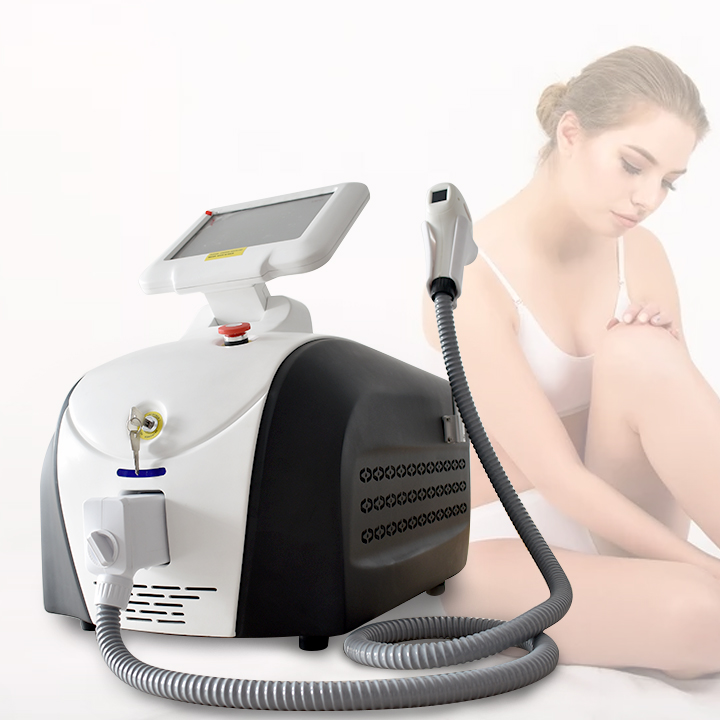
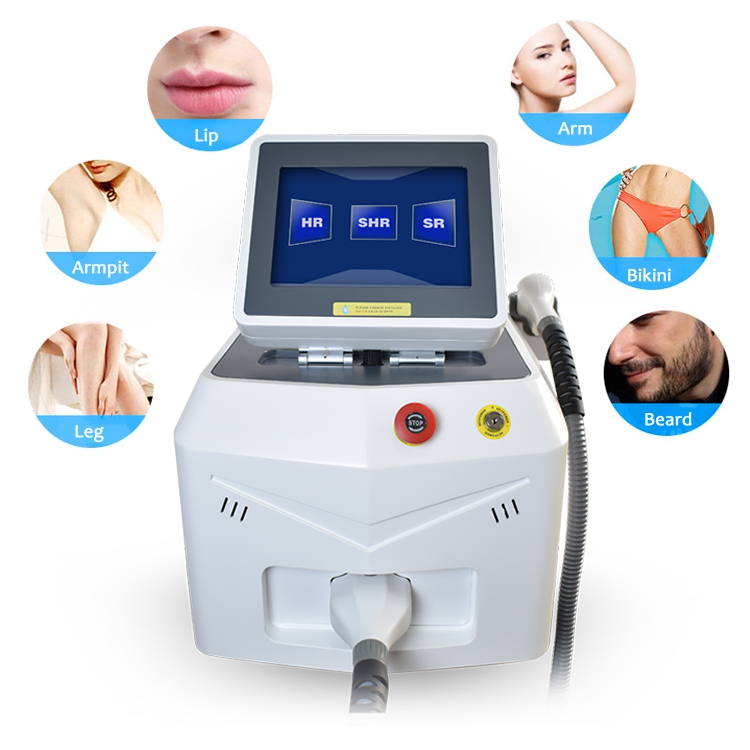
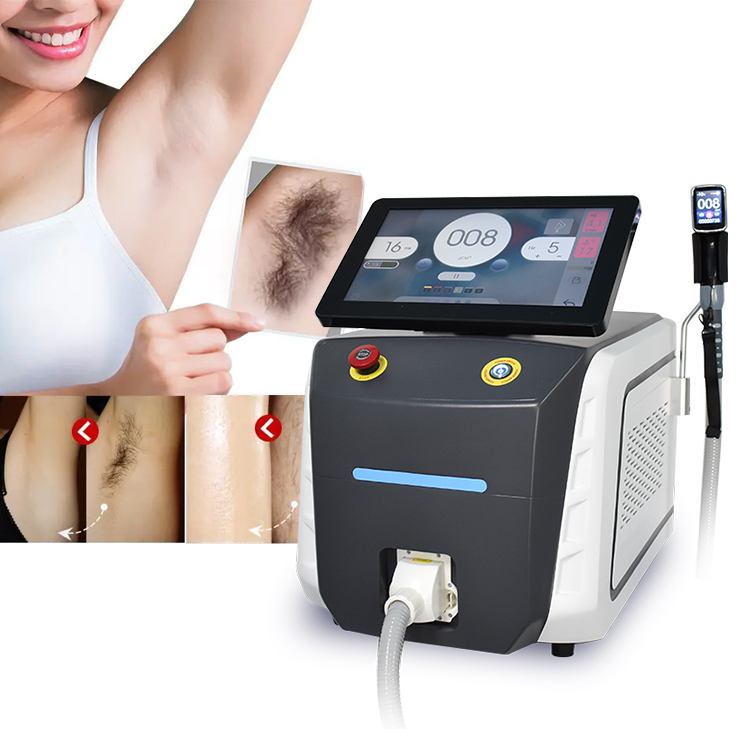
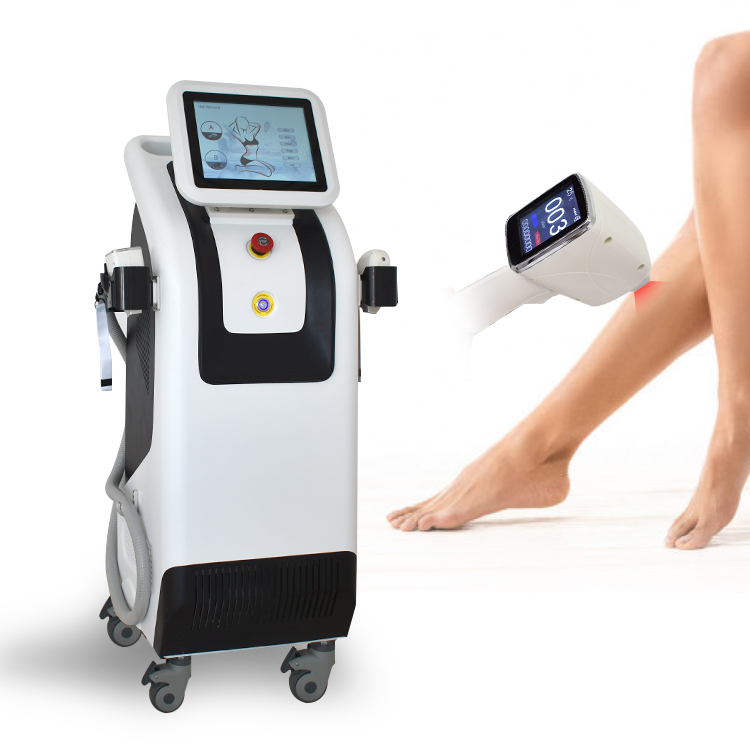
From my workshop to your clinic, I bring the {808 Nm Diode Laser Hair Removal Machine} that delivers efficient hair removal with safety and consistency. As an OEM-focused supplier, I understand what Companies need: stable performance, low downtime, easy service. This machine uses 808 nm diode tech for effective melanin targeting with minimal epidermal damage, built-in cooling, large spot sizes, high repetition rate. I designed it for clinics, med spas, and aesthetics studios seeking dependable results and competitive pricing. Features include adjustable fluence, pulse duration, cooling system, real-time skin contact sensor, SMART energy management. My team provides OEM customization options: branding, control interfaces, voltage, packaging. We support after-sales with spare parts and remote diagnostics. If you are sourcing for your chain or clinic, this device can scale with your business, reducing chair-side time and increasing throughput. Let's talk about how we can fit your Companies' needs, MOQ, and lead times.
Hot Selling Product

808 Nm Diode Laser Hair Removal Machine Ahead of the Curve More Than a Supplier - A Partner

Global clinics seeking reliable, high‑performance hair removal technology will find the 808 nm diode laser system compelling. It delivers efficient clearance with stable energy, adjustable pulse width, and a large spot size for faster sessions. A sophisticated cooling and safety package minimizes discomfort while boosting throughput. This is more than equipment; it is a platform for clinics that demand uptime, precision, and easy maintenance across various skin types and workflows. Partnering, not merely supplying, provides steady supply, ongoing training, and lifecycle support across borders. The device benefits from scalable manufacturing, spare parts availability, and service packages that reduce downtime. With clear documentation and global certifications, procurement teams gain budgeting predictability and faster time-to-market. For buyers who value collaboration, this approach keeps you ahead of the curve with a trusted, long‑term partner.

{ 808 Nm Diode Laser Hair Removal Machine Ahead of the Curve More Than a Supplier - A Partner}

Model Wavelength (nm) Nominal Power (W) Pulse Duration (ms) Repetition Rate (Hz) Spot Size (mm) Cooling Energy per Pulse (J) Energy Density (J/cm²) Treatment Speed (cm²/min) Safety Features Certifications Weight (kg) Warranty (years) Maintenance (months)
Model Alpha 808 600 10 1 12 Contact Cooling 6 5.3 67.9 Skin type sensor; Overheat protection CE, FDA Cleared 25 1 12
Model Beta 808 900 12 2 14 Cryogen spray + contact cooling 10.8 7.0 184.8 Skin type sensor; Dynamic fluence control CE, FDA Cleared 28 2 12
Model Gamma 808 1200 15 3 16 Peltier + water cooling 18 8.95 361.8 Skin type sensor; Auto shutdown CE, FDA Cleared, ISO 13485 34 2 18

Related Products

banner1 (3)

808 Nm Diode Laser Hair Removal Machine Factory Service Backed by Expertise

Data Dimension: Monthly Treatment Sessions (Hundreds) for 808 nm Diode Laser Hair Removal Systems

Monthly Treatment Sessions (Hundreds) bar chart 0 10 20 30 40 50 60 70 Throughput (Millions of Sessions) January: 45 hundreds February: 52 hundreds March: 60 hundreds April: 58 hundreds May: 62 hundreds June: 70 hundreds Jan Feb Mar Apr May Jun Monthly Treatment Sessions (Hundreds)

This chart uses a synthetic dataset to illustrate how a clinic tracks monthly treatment throughput for an 808 nm diode laser hair removal system. The dimension 'Monthly Treatment Sessions (Hundreds)' is chosen to express volume in an easy-to-compare unit, and the six data points reflect January through June. The trend shows a gradual rise in sessions, with values moving from 45 to 70 hundreds, suggesting improved demand, greater operator efficiency, or enhanced marketing effectiveness. A small dip in April (58) interrupts the otherwise upward trajectory, which could be associated with temporary downtime, staff scheduling, or software maintenance windows. Interpreting this pattern helps teams allocate resources, schedule preventive maintenance, and ensure service continuity.

From an operations perspective, higher throughput places more stringent requirements on uptime, cooling, and diode performance. Each maintenance action—dust filters, lens cleaning, diode checks, and calibration—reduces risk of performance drop and keeps energy delivery consistent at 808 nm, which is critical for treatment efficacy and safety. The chart emphasizes the value of a data-driven service model: by tracking volumes alongside maintenance history, the factory can forecast spare parts, pre-position technicians, and adjust service SLAs to minimize patient impact.

The data dimension also supports capacity planning for clinics: if monthly volumes trend upward, longer-term investments in additional headcount, backup power, or spare diodes may be warranted. It reinforces the narrative that the factory’s expertise is not only in producing reliable hardware but also in backing operations with proactive service. In real-world deployments, this approach translates into higher treatment availability, better patient outcomes, and greater confidence among operators and patients. While the sample is simple, the principle remains: structured data about throughput combined with expert service leads to measurable improvements in performance, reliability, and patient satisfaction.

Top Selling Products