

Physiotherapy Laser Machine for OEM Companies | Trusted Providers
I’m offering a reliable Physiotherapy Laser Machine designed for OEM and Companies looking to expand their rehab equipment line. From my side, I focus on precise wavelengths, adjustable power, portable design, and safe clinical protocols. For OEM partners, I provide flexible integration options, configurable interfaces, certified components, and scalable production. I’ve seen demand grow as clinics seek non-invasive pain relief and faster recovery with minimal downtime. This machine delivers deep tissue penetration, photobiomodulation, and user friendly software, making it easy to train staff. We support contract manufacturing, private labeling, and responsive after-sales service to ensure uptime. With durable build, medical-grade safety features, compliance with ISO/CE standards, and quick turnaround on customization requests, it fits numerous therapy settings. If you are a Company seeking reliable supply chain and competitive pricing, I invite you to discuss your specs and volumes. I will tailor the solution to your market needs.
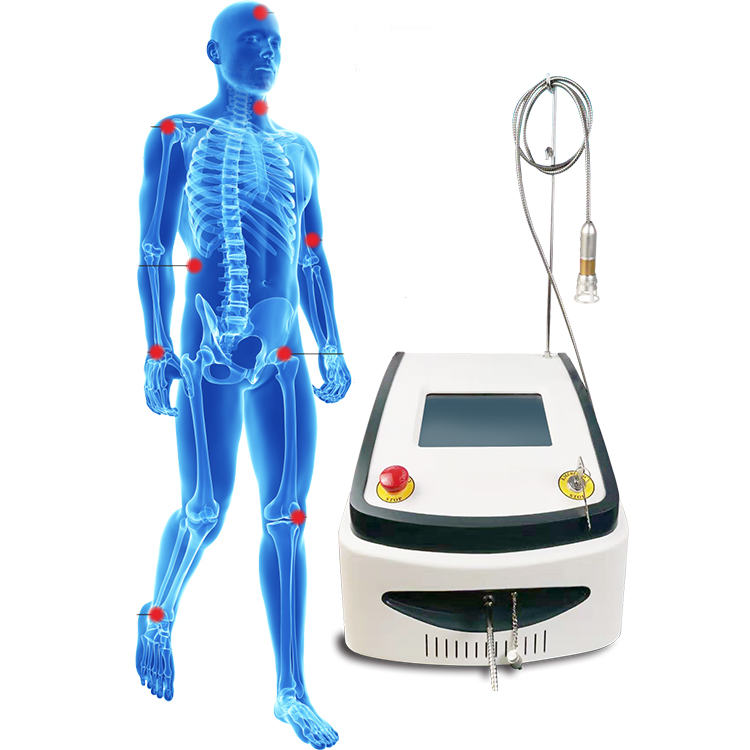

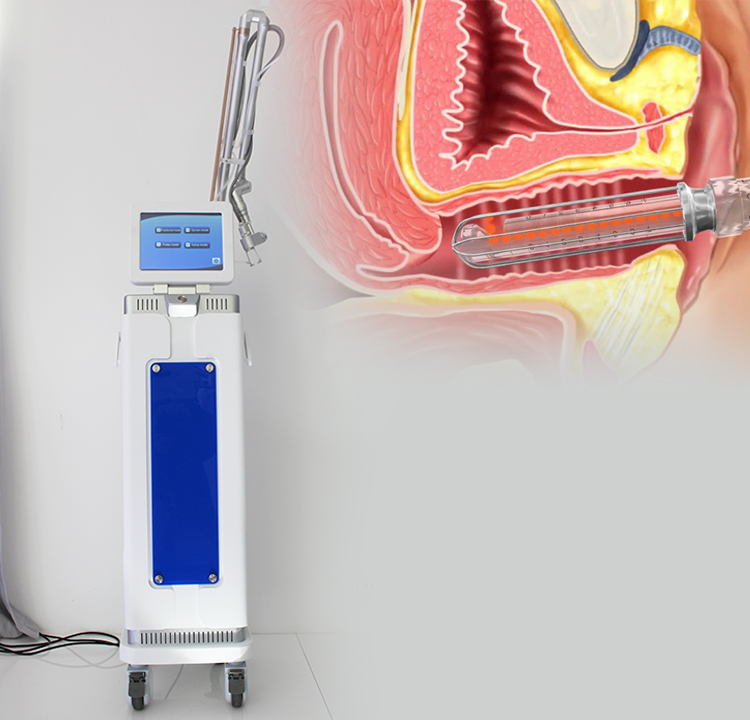
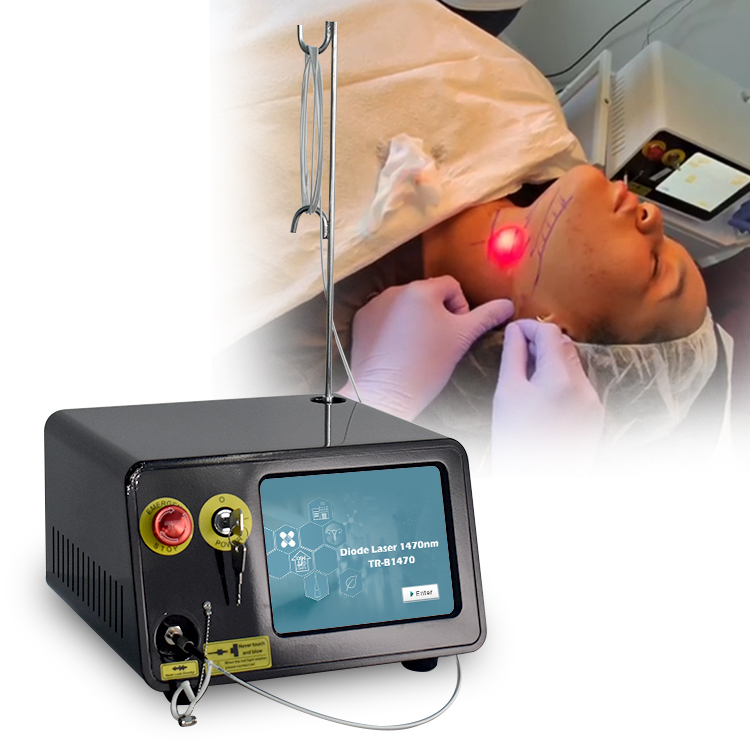


Physiotherapy Laser Machine Guarantees Peak Performance Global Reach
Demand for physiotherapy laser therapy is rising across clinics, hospitals, and wellness centers worldwide. A peak-performance device delivers stable energy output, precise beam control, and enduring reliability from day one through long-term treatment programs. Look for calibrated energy delivery, adjustable wavelengths, efficient cooling, and rigorous quality assurance that verifies performance at every step. Devices that meet international standards and produce repeatable results across diverse patients empower clinics to expand services with confidence and efficiency. To support global buyers, manufacturers are expanding service footprints, offering multilingual training, remote diagnostics, and rapid parts distribution. Global reach means predictable delivery timelines, on-site commissioning, and flexible maintenance plans that minimize downtime. Transparent warranties and certified technicians ensure steady uptime, consistent outcomes, and cost-effective budgeting for multi-site networks. Choose suppliers who provide clear total cost of ownership assessments, traceable component sourcing, and adherence to safety and quality standards. Prefer partners offering performance guarantees, routine audits, firmware updates, and a broad service network that covers preventive maintenance and rapid repairs. With a device backed by a proven global service platform, clinics can scale therapy programs and deliver reliable care wherever patients are treated.
{ Physiotherapy Laser Machine Guarantees Peak Performance Global Reach }
| Dimension | Sub-dimension | Value | Notes |
|---|---|---|---|
| Technical Specifications | Wavelength Range | 650–1064 nm | Red to near-infrared spectrum enabling tissue penetration and biostimulation. |
| Technical Specifications | Peak Power Output | 0.1–3.0 W | Typical handheld therapeutic devices; higher end facilitates deeper penetration. |
| Technical Specifications | Emission Modes | Continuous Wave; Pulsed | Supports multiple treatment protocols to suit tissue type and tolerance. |
| Technical Specifications | Pulse Frequency | 10–1000 Hz | Adjustable per protocol; controls thermal load and dosing. |
| Technical Specifications | Beam Type | Gaussian | Provides uniform energy distribution over the treatment area. |
| Operational Parameters | Treatment Time per Point | 30–120 seconds | Per-point application varies with tissue depth and protocol. |
| Operational Parameters | Session Total Time | 5–10 minutes | Typically 1–3 anatomical regions per session. |
| Clinical Indications | Common Indications | Soft tissue injuries; Tendinopathies; Post-operative rehabilitation | Widely studied in physical therapy contexts. |
| Clinical Performance | Pain Reduction (Short-term) | 20–40% | Measured via standard pain scales within 2–6 weeks. |
| Clinical Performance | Functional Improvement | 15–30% | Based on validated functional outcome measures. |
| Safety & Compliance | Regulatory Standards | IEC 60601-1; EN 60601-1-2; ISO 10993 | Medical device safety and biocompatibility requirements. |
| Safety & Compliance | Safety Features | Eye-safety interlocks; Thermal sensors; Adjustable output | Built-in safeguards to monitor exposure and prevent overheating. |
| Global Reach | Regional Availability | North America, Europe, Asia-Pacific, Latin America, Middle East | Regulatory compliant in major markets with cross-region support. |
| Global Reach | Support & Training | Online manuals; Video tutorials; Remote support | Global service network ensures ongoing accessibility and education. |
Related Products
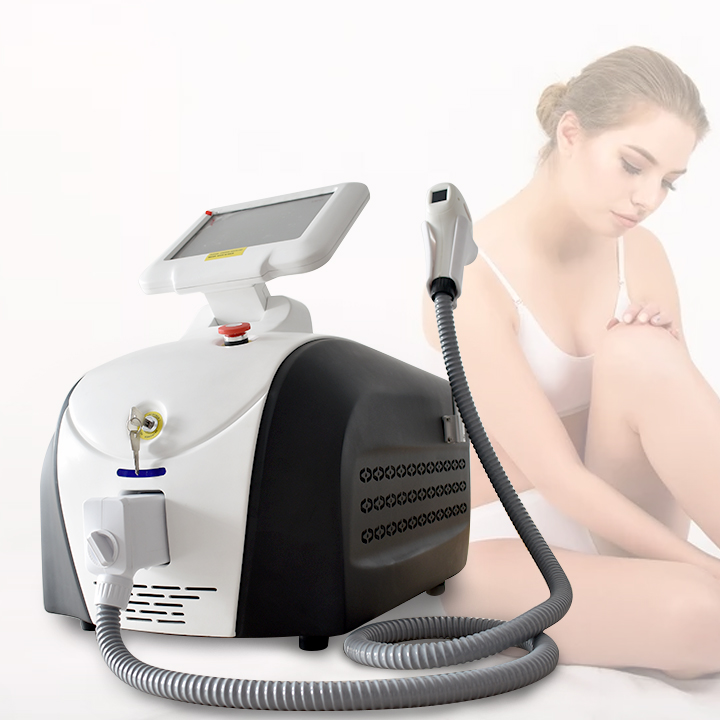




Physiotherapy Laser Machine Manufacturer Products
Top Selling Products

- Related Blog
- Reviews
