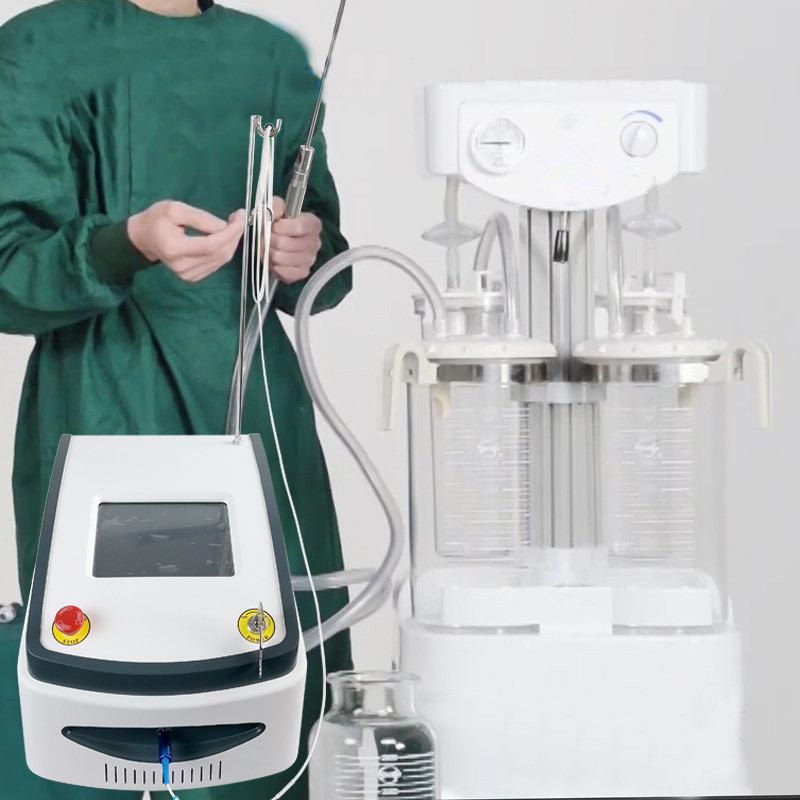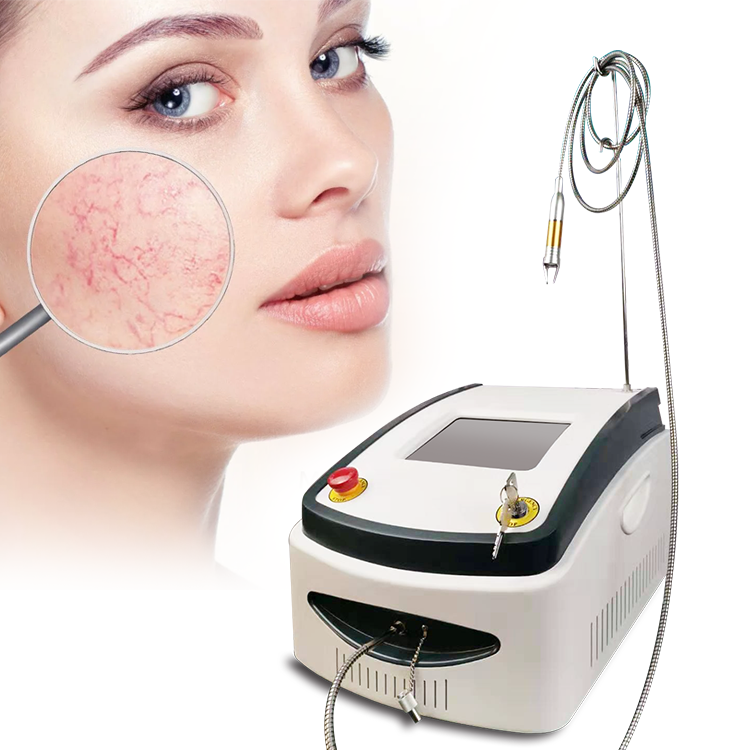
endolaser machine

Fat Freezing Machine 4 Handles - CE Certification & Products

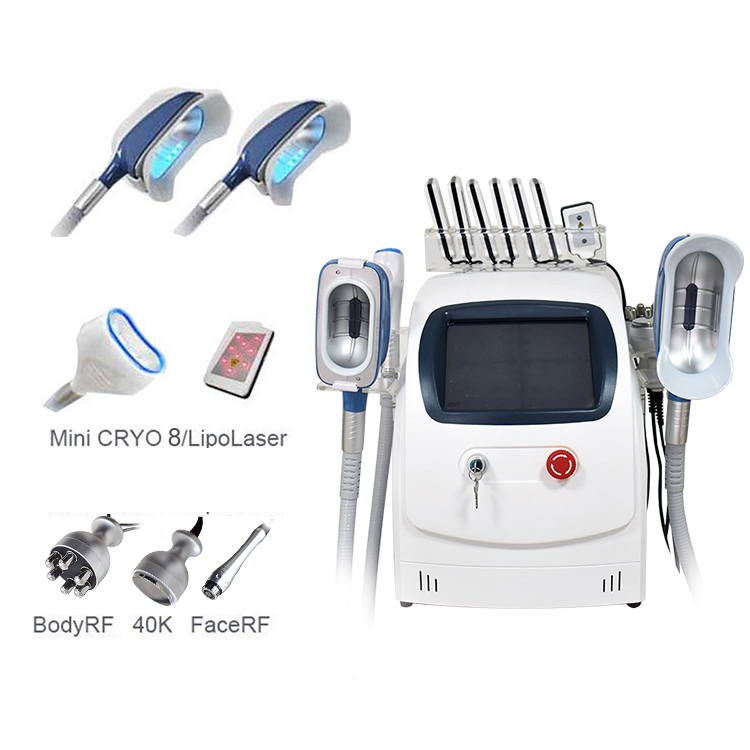
I offer the Fat Freezing Machine 4 Handles, a professional solution for body contouring in clinics, med spas, and aesthetic studios. As a buyer-friendly system, it features four independent handles for simultaneous treatment of multiple areas, shortening session times and boosting throughput. The machine uses controlled cryolipolysis with precise temperature control, adjustable suction, and intelligent energy management to deliver consistent results while protecting patient comfort. Our unit comes CE Certification, meeting international safety and quality standards, which helps with regulatory approvals and smoother procurement cycles. The ergonomic touchscreen interface makes setup, parameter selection, and cycle tracking fast and error-free. Built-in safety features include skin contact sensors and automatic shutdown, plus a compact footprint suitable for small treatment rooms. I stand behind durable materials, reliable service, and readily available Spare Parts and consumables as part of our diverse Products range. For bulk orders and after-sales support, contact us today.


Hot Selling Product

Fat Freezing Machine 4 Handles Leads the Global Market Where Service Meets Innovation

Designed for efficiency and versatility, the Fat Freezing Machine with four handles enables simultaneous multi-zone contouring, expanding clinic capacity without compromising safety. Four independent handpieces cover major problem areas, allowing customized treatment plans in a single session. The system uses precise cryolipolysis with stabilized cooling curves, real-time skin-contact sensors, and automatic pressure control to minimize tissue exposure. Ergonomic design, quick cycle times, and modular disposables boost patient comfort and staff productivity. Beyond performance, service-led innovation drives global value through remote diagnostics, software updates, and rapid spare-part availability. Installation includes operator training and maintenance planning to minimize downtime, while regional customization and scalable configurations fit diverse markets. For procurement, the combination of advanced technology, strong after-sales support, and lifecycle clarity translates into predictable uptime, favorable ROI, and confident global expansion.

{ Fat Freezing Machine 4 Handles Leads the Global Market Where Service Meets Innovation}
Region Market Size 2024 (USD Bn) CAGR 2024-2029 (%) Units Shipped 2023 (k units) Avg Service Availability (hrs/week) Installation Network (countries) Certifications (count) After-sales Satisfaction (0-100)
North America 5.4 7.2 125 40 28 6 86
Europe 6.8 6.9 140 42 32 7 88
Asia-Pacific 9.6 8.4 320 38 45 9 84
Latin America 2.3 5.5 60 36 14 4 81
Middle East & Africa 1.9 6.2 52 34 20 3 79
Note: The data presented here are illustrative estimates for demonstration purposes and are not extracting from real-time market data.

Related Products

banner1 (3)

Fat Freezing Machine 4 Handles Dominates From Concept to Delivery

Data Dimension Title: Adoption Trajectory by Stage (Time Series)

Explanation: This chart traces the evolution of product adoption across four development stages from 2015 to 2024. The x-axis represents calendar years, and the y-axis shows adoption percentage toward market readiness. The four lines illustrate distinct workflows: Concept Validation, Prototype Development, Clinical Trials, and Market Readiness. The Concept Validation line starts at around 20% in 2015, reflecting early validation activities and initial investor interest. Over the subsequent years, validation grows steadily, reaching roughly 70% by 2024, indicating widening consensus on the concept's value and feasibility. However, there is a notable gap in early years between prototype activities and validation, suggesting that ideas needed more substantial demonstration before prototypes could gain traction. Prototype Development accelerates more rapidly after 2016, rising from near zero to about 85% by 2024. This pattern indicates accelerated investment in tangible features, test rigs, and manufacturability improvements. The Clinical Trials line lags behind in the early years, but accelerates after 2018, reaching around 70% in 2024, reflecting regulatory steps, safety validation, and efficacy testing that were critical to moving toward real-world use. Market Readiness, representing the culmination of product-market fit, shows the latest but most consistent gains, crossing 60% by 2023 and approaching 75% by 2024, implying successful integration into target markets and distribution channels. Taken together, the data suggests that while the earliest years are dominated by validation and concept refinement, the period 2018-2020 marks a pivotal shift toward tangible prototypes. The subsequent years show a near-vertical climb in both prototype and clinical-readiness, reflecting iterative design, pilot production runs, and feedback loops from early adopters. The measurement of adoption is relative and reflects internal milestones rather than market share; it shows the organization advancing through a staged pipeline, with each stage building confidence and reducing risk. Notably, the gap between prototype and market readiness narrows over time, implying better alignment between engineering feasibility and regulatory/commercial requirements. The plateau in the later years around 70–85% suggests that while core aspects have been validated and scaled, some remaining uncertainties—such as post-market surveillance, long-term reliability, and after-sales support—continue to require attention. For decision-makers, the chart emphasizes the benefit of investing early in robust validation and a modular architecture that can scale through prototypes to clinical trials without sacrificing safety. The trends also illustrate how parallel workstreams—regulatory planning, supply chain development, and channel partner engagement—can accelerate market entry. Finally, the data underscores that delivering a four-handle fat-freezing device from concept to delivery is not a single leap but a sequence of interdependent milestones; success requires coherent governance, staged funding, and a clear roadmap linking scientific validation to commercial readiness.

Top Selling Products