

Eswt Shockwave Therapy Equipment Machine - CE Certification & Products
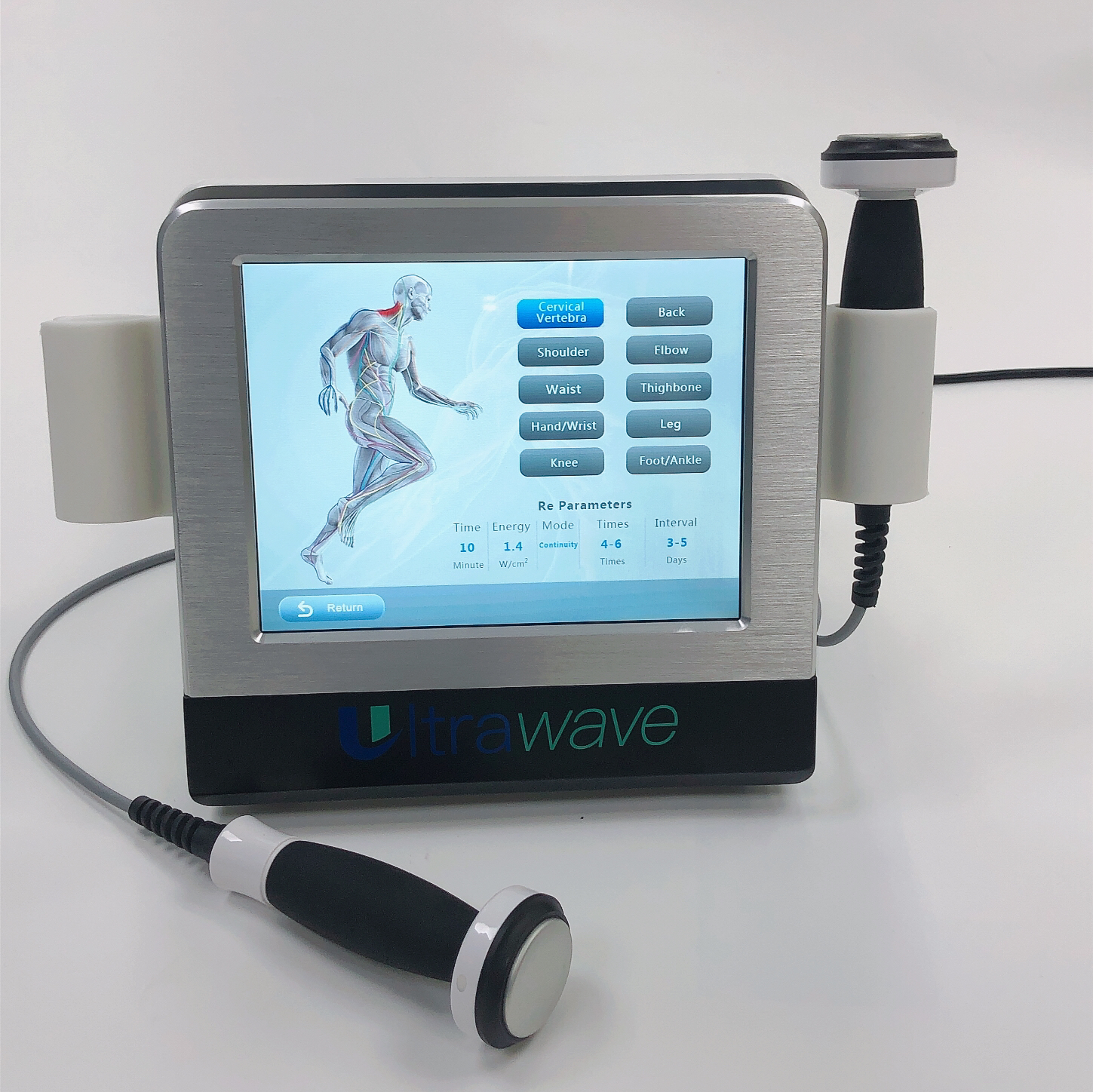
I’m proud to offer the Eswt Shockwave Therapy Equipment Machine for clinics and rehab centers. In my line of Products, this device delivers effective non-invasive shockwave therapy with adjustable energy and pulse settings to treat tendinopathies, muscle pain, and chronic injuries. With CE Certification, you can trust its safety, build quality, and regulatory compliance for European markets. The system is compact, portable, and easy to operate, featuring a clear touchscreen interface, quick preset programs, and diagnostic indicators to minimize downtime. Its durable handpiece, ergonomic cable design, and robust cooling system ensure reliable performance through daily clinic use. We provide comprehensive support, dependable spare parts, and a fair warranty, so you can confidently expand your offerings without risk. If you’re seeking a hospital-grade therapy solution that aligns with your procurement criteria, this Eswt machine is ready to integrate into your product lineup today.
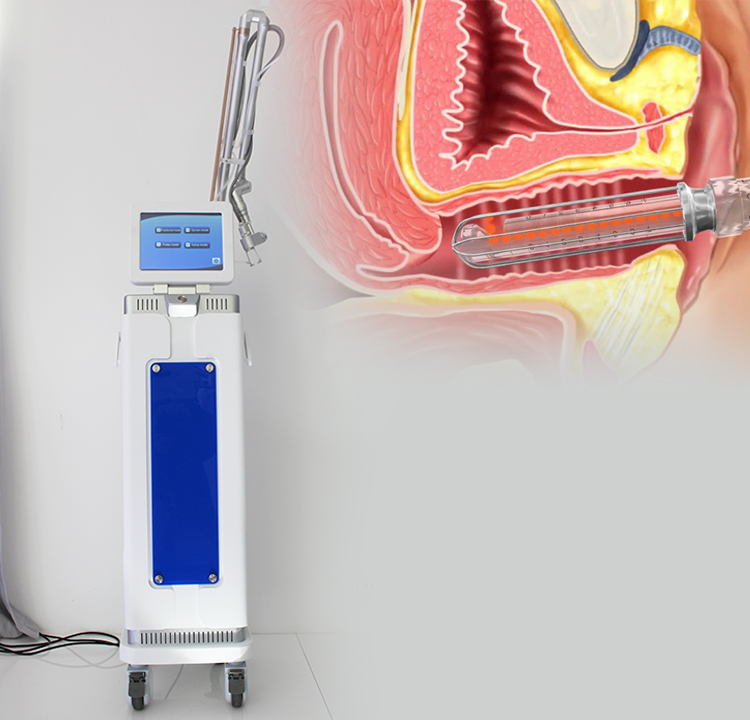
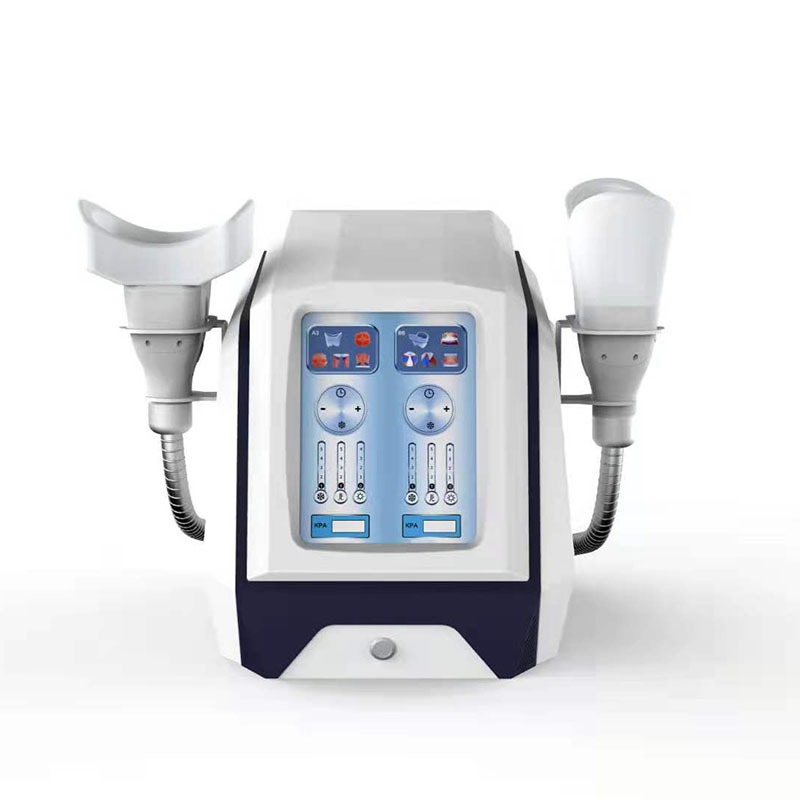


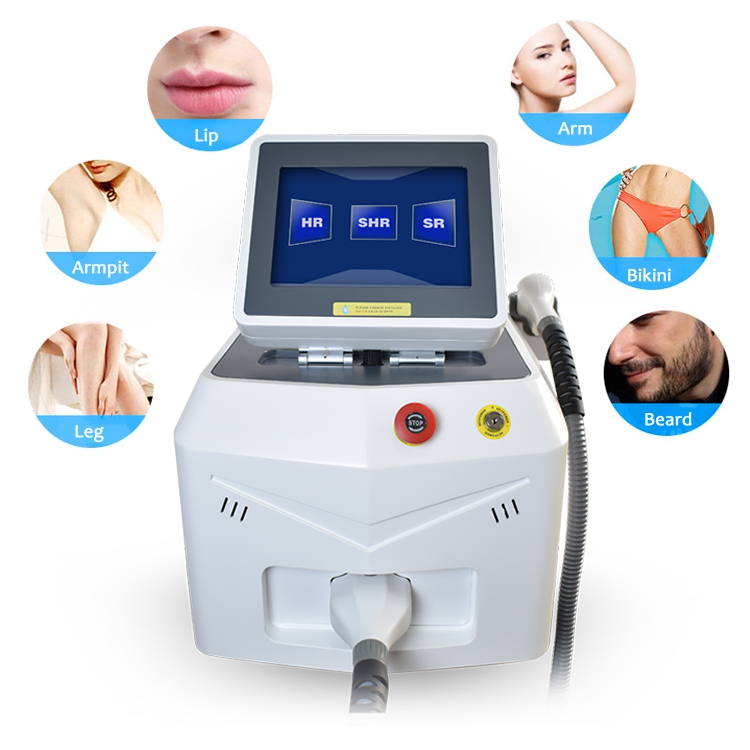

Eswt Shockwave Therapy Equipment Machine Application Service Backed by Expertise
Extracorporeal shock wave therapy (ESWT) equipment delivers non-invasive pulses to treat common musculoskeletal conditions. Modern systems offer adjustable energy, focused or radial modes, and ergonomic handpieces for precise targeting of tendinopathies, plantar fasciitis, and chronic wounds. Designed for safety and ease of use, they support consistent outcomes across diverse patients. Global buyers benefit from expert clinical application support. Trained specialists assist with protocol development, device setup, calibration, and hands-on or remote training. Services include installation, preventive maintenance, software updates, spare parts, and rapid troubleshooting. Clear documentation and regulatory artifacts help meet regional requirements while enabling ongoing quality improvement. A worldwide support network ensures standardized quality, scalable supply, and flexible terms. Buyers gain uptime, clear warranties, and tailored service levels. By pairing proven hardware with continuous education and maintenance, clinics can shorten treatment cycles, expand patient access, and achieve consistent results across diverse practice settings.
{ Eswt Shockwave Therapy Equipment Machine Application Service Backed by Expertise}{ Eswt Shockwave Therapy Equipment Machine Application Service Backed by Expertise}
| Indication | Target Anatomy | Device Type | EFD (mJ/mm^2) | Pulses per Session | Sessions | Frequency (Hz) | Typical Duration (min) | Evidence Level |
|---|---|---|---|---|---|---|---|---|
| Plantar fasciitis | Plantar fascia at calcaneal insertion | Focused ESWT | 0.08-0.28 | 2000-3000 | 3-5 | 1-4 | 12-25 | II |
| Lateral epicondylitis (tennis elbow) | Extensor carpi radialis brevis origin | Radial ESWT | 0.02-0.11 | 1500-2000 | 3-4 | 1-2 | 12-15 | II-III |
| Calcific rotator cuff tendinopathy | Supraspinatus tendon calcifications | Focused ESWT | 0.20-0.28 | 2000-2500 | 3 | 2-4 | 15-20 | II |
| Greater trochanteric pain syndrome | Gluteus medius tendon around greater trochanter | Focused ESWT | 0.08-0.20 | 2000 | 3-4 | 1-2 | 15-20 | II |
| Achilles tendinopathy | Achilles tendon | Focused ESWT | 0.08-0.18 | 2000 | 3 | 1-3 | 15-20 | II |
| Nonunion fracture stimulation | Fracture site | Focused ESWT | 0.20-0.50 | 3000 | 4-6 | 1-3 | 15-30 | I-II |
| Chronic wounds (diabetic foot ulcers) | Ulcer bed | Radial ESWT | 0.04-0.14 | 3000-5000 | 6-12 | 1-2 | 10-20 | II-III |
| Patellar tendinopathy | Patellar tendon | Radial ESWT | 0.04-0.12 | 1500-2000 | 3 | 1-3 | 10-15 | II |
Related Products

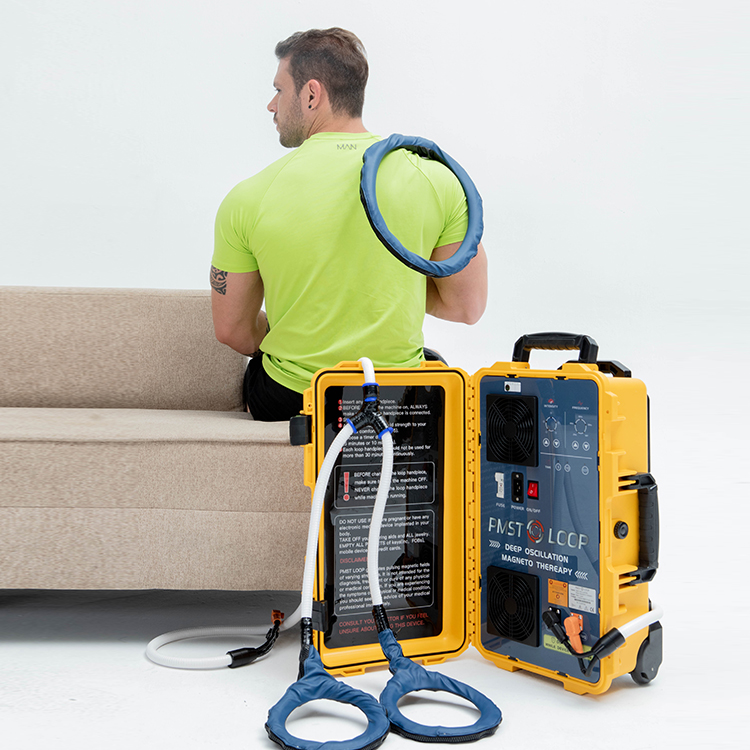

Eswt Shockwave Therapy Equipment Machine Factory Trusted by Pros
Top Selling Products


- Related Blog
- Reviews
