
Diode Laser 1470 for OEM Companies - Precision & Reliability
With the Diode Laser 1470, I offer a compact, high-stability source tailored for OEM integrations and Companies seeking reliable laser modules. This diode laser delivers a precise 1470 nm wavelength, optimized for controlled ablation and minimal collateral impact, ideal for medical aesthetic devices and industrial materials processing. Built for OEM partners, it features plug-and-play compatibility, adjustable power range, integrated heat management, and a modular driver that supports easy system integration and certification testing. My team provides technical documentation, validation scripts, and customization options—beam quality, footprint, cable length, and firmware—so you can accelerate time-to-market. Reliability is backed by rigorous QA, long-life diode stacks, and robust protective circuits. Flexible MOQ, scalable production, and responsive after-sales support make it an attractive choice for Companies pursuing OEM-grade performance at competitive pricing. If you want predictable performance and fast, compliant deployment, this is the diode laser you need.


Diode Laser 1470 Market Leader Sets the Industry Standard
As the 1470 diode laser market leader raises the bar, global buyers seek solutions with stable performance, easy integration, and long-term reliability. The 1470 nm wavelength offers strong material interaction and patient-friendly applications, while compact form factors, modular design, and scalable manufacturing support diverse deployment—from medical and cosmetic to materials processing. A true market leader provides not only peak specs but consistent, documented quality across high-volume orders. For procurement, prioritize rigorous qualification: verified power stability, wavelength precision, beam quality, and cooling reliability across operating ranges. Demand comprehensive data packages—MTBF, performance in temperature tests, FAT/SAT results, and traceability certificates—along with ISO/CE/RoHS compliance and supplier risk controls. Favor partners with resilient supply chains, transparent lead times, clear warranties, and robust after‑sales support, ensuring a standard solution that meets global requirements.
{ Diode Laser 1470 Market Leader Sets the Industry Standard}
| Region | Market Size 2023 (USD Bn) | CAGR 2024-2029 (%) | Unit Shipments (K Units/yr) | Installed Base (K Units) | Device Power (W) | Peak Repetition Rate (kHz) | Applications Focus |
|---|---|---|---|---|---|---|---|
| North America | 0.42 | 8.1 | 120 | 320 | 28 | 2.0 | Dermal resurfacing; Hair removal |
| Europe | 0.38 | 7.6 | 105 | 280 | 25 | 1.8 | Dermal resurfacing; Pigmentation |
| Asia-Pacific | 0.53 | 8.9 | 190 | 460 | 30 | 2.2 | Hair removal; Acne clearance |
| Latin America | 0.08 | 6.8 | 18 | 52 | 22 | 1.5 | Pigmentation; Skin tightening |
| Middle East & Africa | 0.05 | 7.1 | 15 | 40 | 26 | 1.6 | Skin rejuvenation |
Related Products


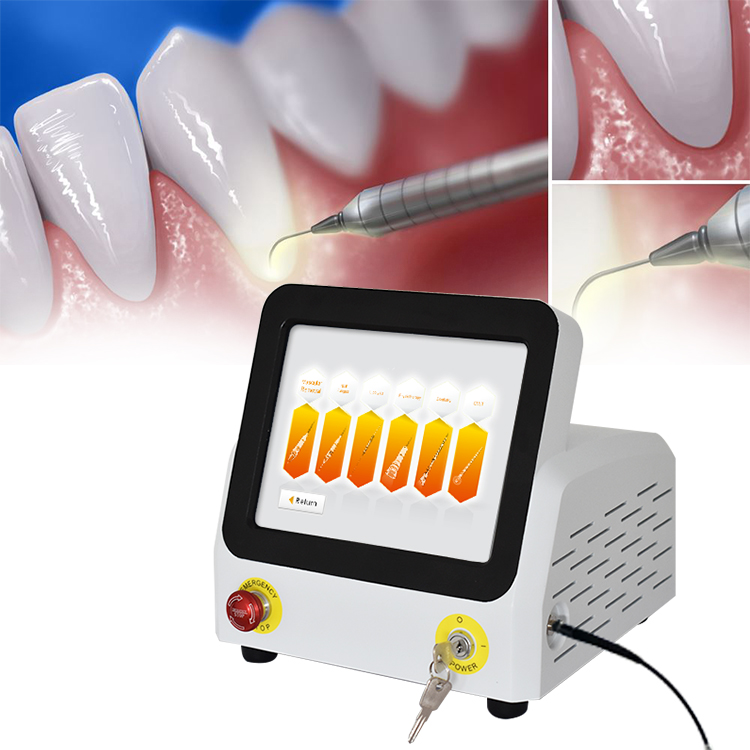

Diode Laser 1470 Dominates Where Innovation Meets 2025
Top Selling Products


- Related Blog
- Reviews
