

Diod Laser 980 Nm For Ent - OEM Solutions for Companies
With years in medical laser sourcing, I offer the Diod Laser 980 Nm For Ent crafted for OEM collaborations and Companies expanding their ENT device line. This diode laser delivers consistent energy with stable output, ideal for soft tissue procedures, coagulation, and precision cutting in ENT applications. Light weight, compact, and easy to integrate, it fits standard OEM assemblies and works with common control systems. You’ll appreciate its reliability, long service life, and lower maintenance costs, helping you speed up product launches and cut total cost of ownership. I provide technical data packs, compatibility notes, and after-sale support to ensure smooth certification and integration. For OEM teams and Companies focused on quality and regulatory compliance, this solution offers scalable power settings, thermal management, and robust safety features. Let me help you tailor a solution that meets your spec, from prototyping to full production.

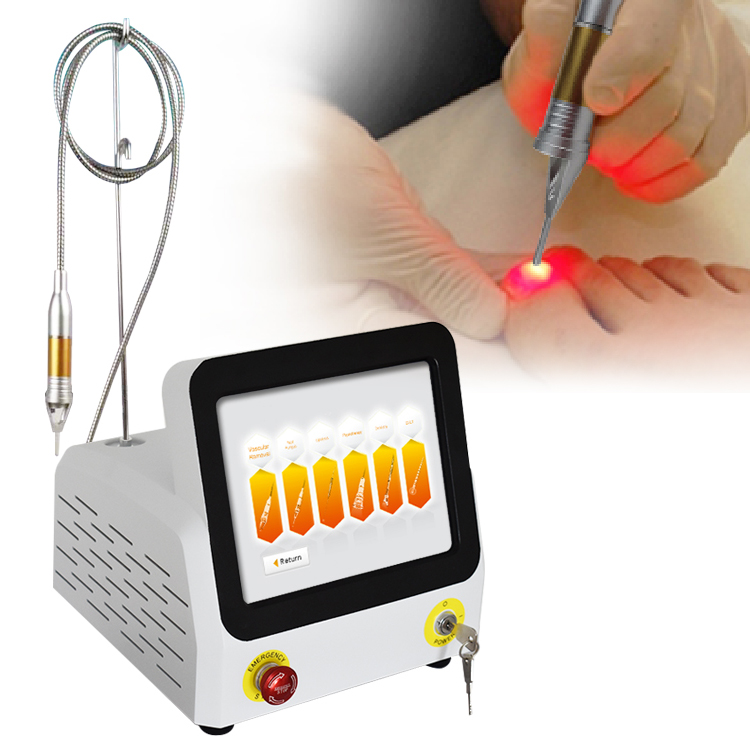
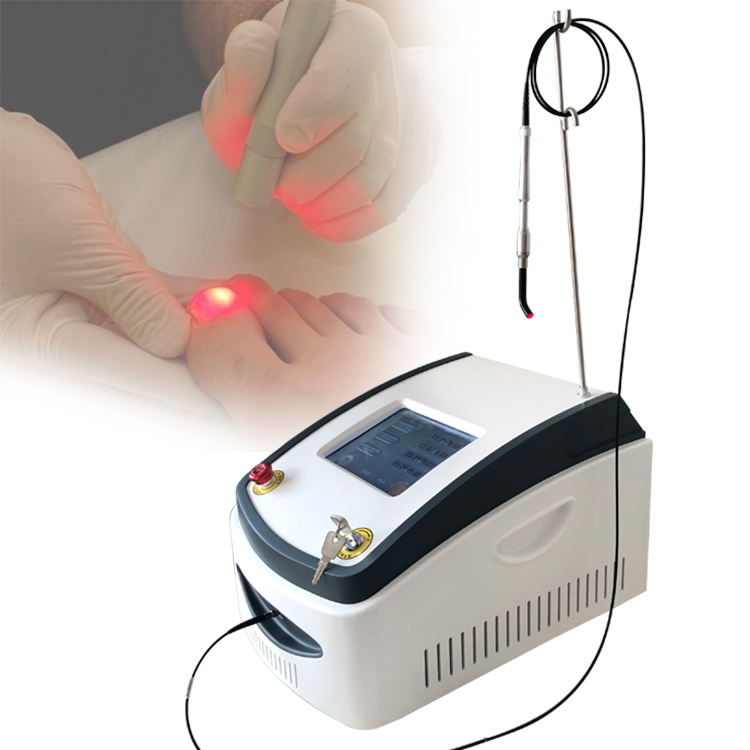

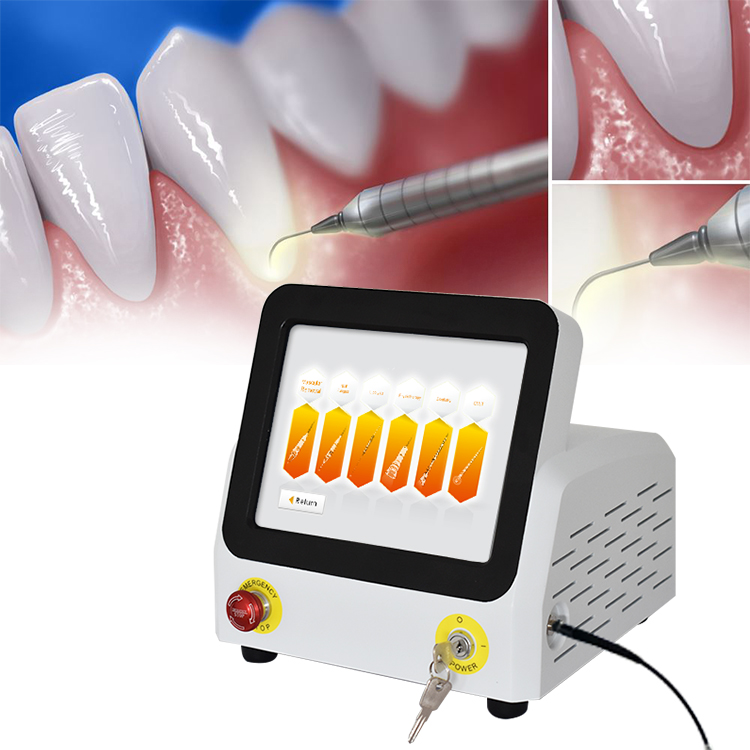

Diod Laser 980 Nm For Ent Supplier Manufacturers You Can Rely On
Global buyers seeking a diode laser solution for ENT appreciate a compact, 980 nm platform that delivers precise tissue ablation with reliable coagulation and minimal thermal spread. A well-designed system should offer fiber delivery compatibility, intuitive controls, and adjustable continuous and pulsed modes to suit diverse procedures. For procurement, look for proven performance backed by ISO 13485 quality management, CE marking, and traceable batch testing to ensure consistent safety and efficacy across regional deployments. When evaluating offers, prioritize configurable options (fiber length, compatible handpieces, power range), transparent lead times, and robust after-sales support across time zones. A dependable supplier provides installation and training, remote diagnostics, spare parts supply, and clear warranty terms or service agreements to minimize downtime. With a resilient supply chain and rigorous QA, you can secure a reliable 980 nm diode laser platform that aligns with clinical needs while delivering predictable total cost of ownership.
| Product ID | Wavelength (nm) | Tolerance (nm) | Nominal Power (W) | Current (A) | Voltage (V) | Beam Quality M2 | Divergence (mrad, H × V) | Fiber Diameter (µm) | NA | Lifetime (k h) | Operating Temp (C) |
|---|---|---|---|---|---|---|---|---|---|---|---|
| DL980-01 | 980 | ±5 | 2.5 | 1.6 | 3.2 | 1.20 | 7.0 × 8.5 | 400 | 0.22 | 100 | -5 ~ 60 |
| DL980-02 | 980 | ±3 | 5.0 | 2.6 | 4.0 | 1.25 | 6.5 × 7.9 | 600 | 0.22 | 120 | -10 ~ 70 |
| DL980-03 | 980 | ±4 | 7.5 | 3.0 | 4.5 | 1.30 | 5.8 × 7.1 | 800 | 0.22 | 150 | -15 ~ 75 |
| DL980-04 | 980 | ±1 | 1.2 | 0.95 | 3.2 | 1.15 | 6.0 × 8.2 | 300 | 0.22 | 200 | -20 ~ 55 |
| DL980-05 | 980 | ±3 | 3.0 | 1.6 | 3.8 | 1.18 | 6.5 × 7.5 | 500 | 0.22 | 180 | -5 ~ 60 |
| DL980-06 | 980 | ±2 | 4.5 | 2.2 | 4.0 | 1.22 | 5.5 × 7.0 | 550 | 0.22 | 230 | -10 ~ 65 |
| DL980-07 | 980 | ±3 | 6.2 | 2.8 | 4.2 | 1.30 | 5.0 × 6.8 | 700 | 0.22 | 260 | -5 ~ 60 |
| DL980-08 | 980 | ±4 | 9.0 | 3.6 | 4.6 | 1.40 | 4.8 × 6.0 | 900 | 0.22 | 300 | -5 ~ 65 |
| DL980-09 | 980 | ±4 | 2.3 | 1.4 | 3.5 | 1.10 | 6.8 × 9.2 | 350 | 0.22 | 140 | -15 ~ 50 |
Related Products
60w class 4 high power laser pain relief physiotherapy device equipment physiotherapy laser physical therapy
Read More



Diod Laser 980 Nm For Ent Manufacturer Service
Top Selling Products


- Related Blog
- Reviews
