

Cryolipolysis Machine Handles - OEM Solutions for Companies
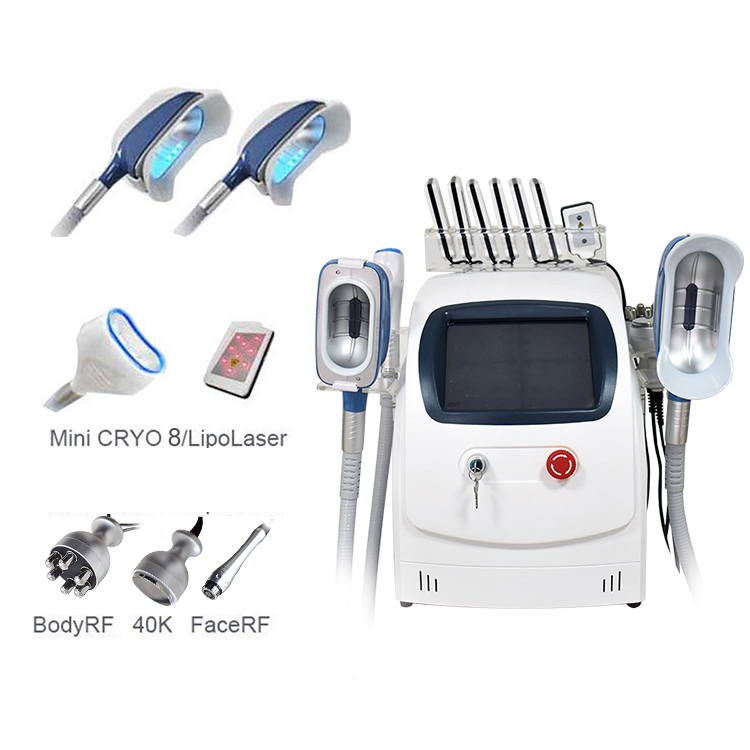
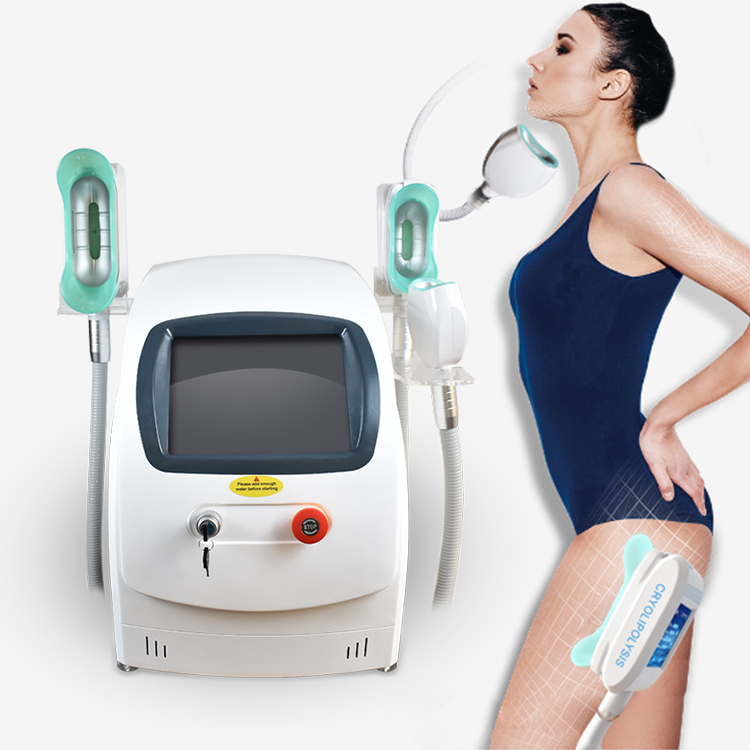
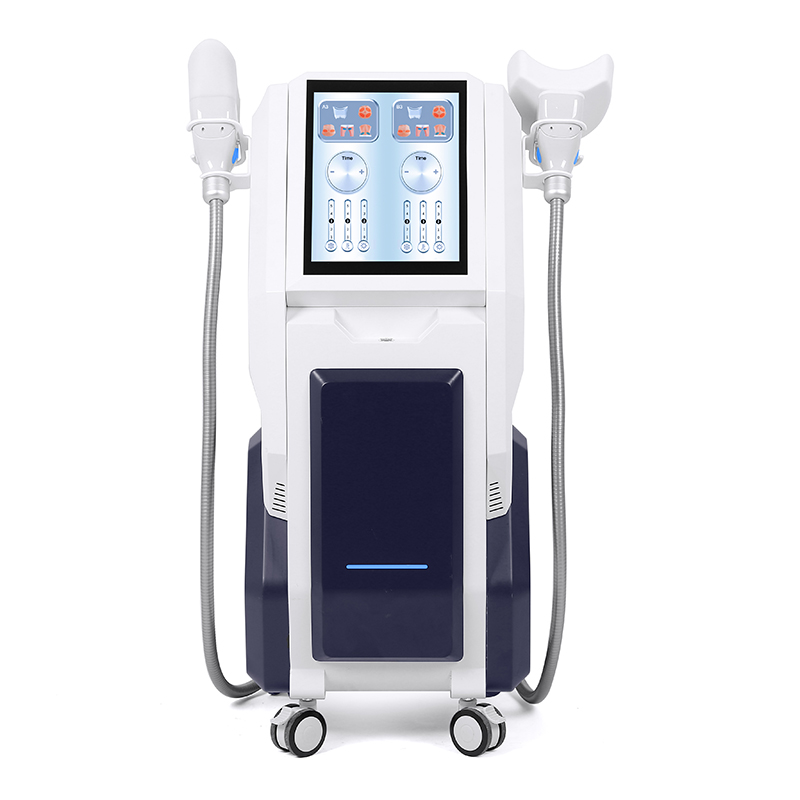
From my workshop to your production line, these Cryolipolysis Machine Handles are engineered for reliability and ease of integration. I know what OEM teams look for: durable stainless steel, smooth texture, compatible connectors, and clean, repeatable performance across batches. My handles fit most standard applicators, offer uniform grip, and resist wear in busy clinic environments. For Companies that are scaling or consolidating suppliers, these handles simplify sourcing with consistent specs and traceable quality, backed by CE/ISO documentation. I work with OEM partners to tailor dimension tolerances and finish options, ensuring plug-and-play installation and long service life. Request samples, and you’ll see reduced downtime and faster patient throughput. I provide flexible MOQs, dependable lead times, and aftermarket support. If you’re evaluating options for cryolipolysis devices, we can align on pricing and packaging that protect your brand and speed to market.


Cryolipolysis Machine Handles in 2025 Winning in 2025
For global clinics embracing non-invasive fat reduction in 2025, the cryolipolysis handle is a decisive factor in safety, precision, and throughput. Buyers seek ergonomic, autoclavable designs with antimicrobial coatings, precise suction control, compatible interchangeable heads for multiple areas, and quick-change mechanisms that minimize downtime and ensure consistent results across devices. For procurement, the priorities are adherence to international medical standards, robust quality systems, reliable lead times, scalable production, and available spare parts. A trusted supplier offers clear warranties, training resources, flexible voltage options, and global logistics, ensuring steady supply, rapid replacements, and uninterrupted clinic operations.
Cryolipolysis Machine Handles in 2025 Winning in 2025
| Model | Handle Count | Cooling Temperature Range (°C) | Typical Treatment Time (min) | Weight (kg) | Material | Power (W) | Interface Type | Cleaning/Disinfection | Certifications |
|---|---|---|---|---|---|---|---|---|---|
| Single-Handle System | 1 | -6 to -10 | 30–45 | 0.6 | Stainless steel + medical silicone | 120 | Vacuum-assisted clamp | Wipe with 70% IPA after use | CE; ISO 13485 |
| Dual-Handle System | 2 | -6 to -9 | 25–50 | 1.2 | Medical-grade aluminum | 180 | Magnetic quick-release | Detachable panels; wipe with disinfectants | CE; ISO 13485 |
| Quad-Handle System | 4 | -5 to -9 | 15–40 | 2.0 | Titanium-coated steel | 260 | Quick-connect multi-handle linkage | Surface wipe with 70% IPA | CE; ISO 13485 |
| Six-Handle System | 6 | -4 to -8 | 20–35 | 3.5 | Stainless steel | 320 | Modular hub | Disposable barriers; routine wipes | CE |
| Compact 2-Handle System | 2 | -7 to -11 | 25–60 | 0.9 | Ceramic-coated aluminum | 110 | Magnetic connectors | Surface wipes; disposable barriers | ISO 13485 |
Related Products



Cryolipolysis Machine Handles Stands Out Dominates
Top Selling Products



- Related Blog
- Reviews
