

Cryolipolysis Machine 4 Handles for OEM and Companies
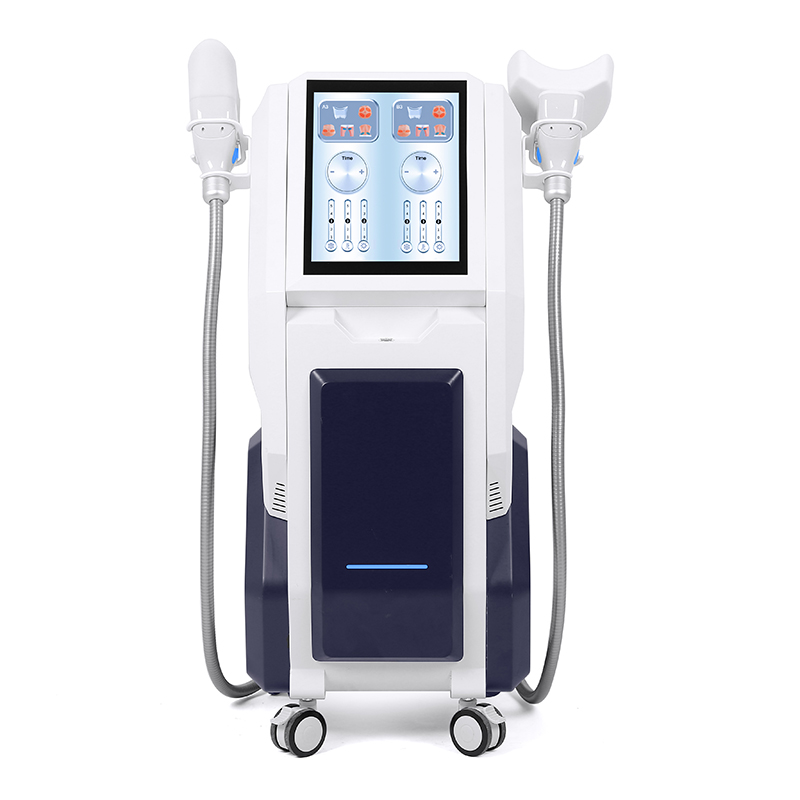
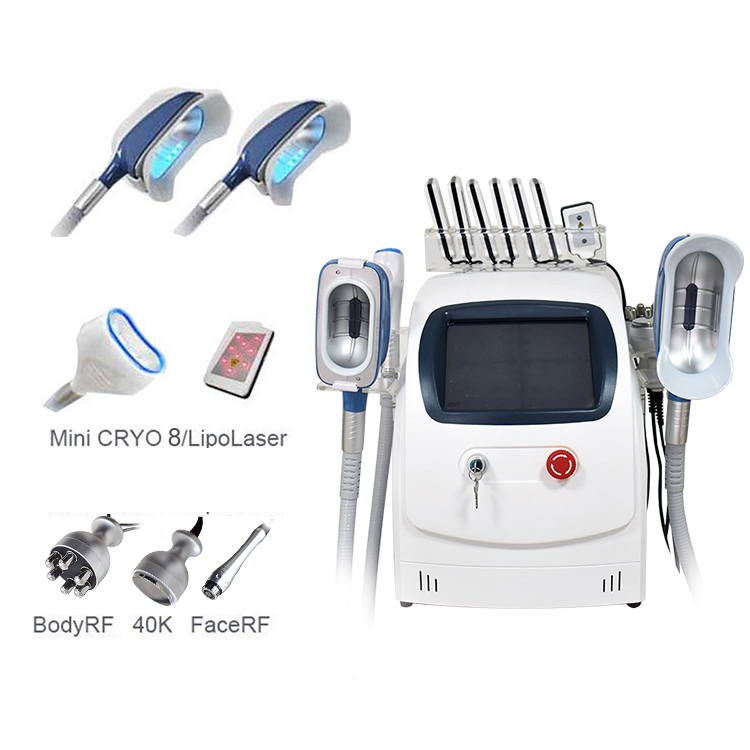
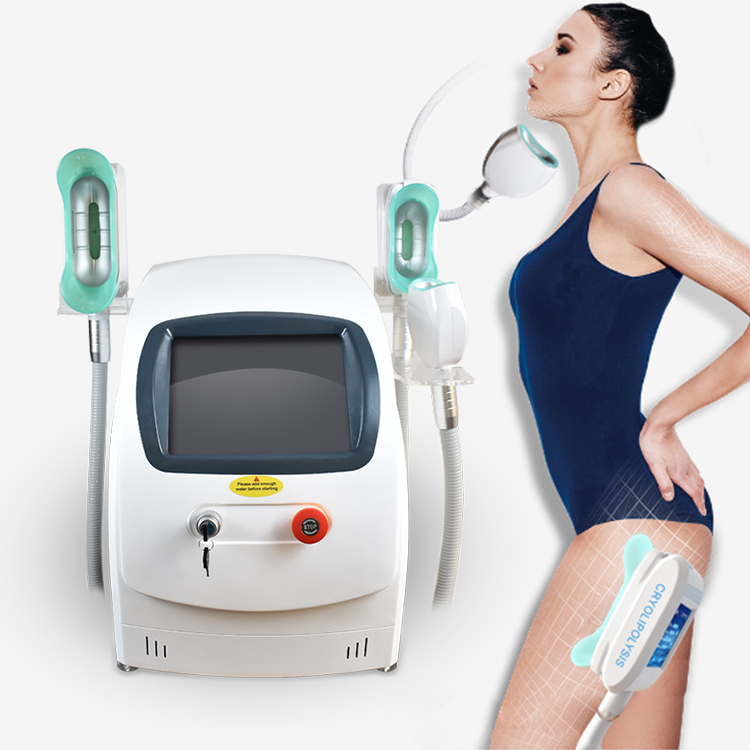
I bring you the Cryolipolysis Machine 4 Handles, a turnkey fat-reduction system built for scale. With four reusable handles, you can treat multiple areas simultaneously, boosting throughput for busy clinics and aesthetic Companies. My unit features precise temperature control, fast warm-up, and reproducible results, while still remaining user friendly for your staff. It's OEM-ready, so we can tailor branding, service packs, and software to your clients' needs. The sturdy build, ergonomic handles, and integrated safety features reduce fatigue during long sessions and help you meet patient expectations. I offer strong after-sales support, rapid spare-part availability, and comprehensive training to make rollout smooth. If you’re sourcing a high-capacity platform for non-surgical body contouring, this machine aligns with market demand and your growth goals. We can collaborate on volume pricing, warranties, and regional compliance, making this a smart investment for Companies expanding their aesthetic portfolios.


Cryolipolysis Machine 4 Handles Market Leader Pioneers in the Field
Designed for clinics aiming to expand non-invasive body contouring offerings, the four-handles cryolipolysis system combines efficiency with precision. The four applicators enable simultaneous treatment of multiple areas—abdomen, flanks, thighs, arms—significantly shortening procedure times while maintaining uniform cooling and consistent suction. Advanced temperature monitoring and real-time tissue feedback safeguard comfort and safety, enabling predictable fat reduction with minimal downtime. The result is a scalable solution that supports growing client demand across diverse markets. For global buyers, key considerations include robust build quality, service coverage, and compatibility with regional electrical standards. Look for intuitive controls, remote diagnostics, and comprehensive operator training to shorten learning curves. Availability of spare parts, warranty terms, and regulatory compliances matter for long-term reliability. A mature support ecosystem and performance metrics you can track—fat reduction rates, client satisfaction, repeat bookings—help clinics justify investment and drive sustainable growth in a competitive landscape.
| Region | Adoption Rate (%) | Estimated Market Size (units/year) | Average Treatment Time (min) | Daily Throughput (patients/day) | Regulatory Readiness (0-100) | Notes |
|---|---|---|---|---|---|---|
| North America | 82 | 4200 | 38 | 12 | 86 | CE Marked; regulatory pathways for U.S. market ongoing |
| Europe | 79 | 3600 | 40 | 11 | 82 | CE Marked; robust post-market surveillance |
| Asia-Pacific | 68 | 5200 | 36 | 13 | 70 | Regulatory timelines vary; local registrations required |
| Latin America | 45 | 1800 | 42 | 9 | 60 | Regulatory approvals slower; expanding clinical networks |
| Middle East & Africa | 40 | 900 | 45 | 7 | 50 | Emerging market; regulatory pathways evolving; reimbursement limited |
| Oceania | 60 | 1100 | 37 | 10 | 68 | CE Marked; moderate growth; alignment with regional standards |
Related Products



Cryolipolysis Machine 4 Handles Supplier Your Trusted OEM Partner
Top Selling Products



- Related Blog
- Reviews
