

808nm Diode Laser for OEM Companies - Reliable Laser Solutions
I’m excited to present an 808nm Diode Laser module designed for OEM partners and Companies seeking dependable, scalable laser solutions. Built with high-efficiency 808 nm diodes, our unit delivers stable continuous-wave and pulsed performance, ideal for medical aesthetics, hair removal, and dermatology devices. I offer turnkey OEM integration: compact footprint, integrated cooling, and driver boards with I/O for easy control, plus customizable power, pulse width, and spot size to match your product line. The laser head features robust TEC cooling, protective interlocks, and FDA/CE-ready documentation to speed your certification process. We provide tiered pricing, long-term supply guarantees, and dedicated tech support to ensure seamless manufacturing. With this, you can shorten development cycles, reduce risk, and scale production for Companies looking to expand their portfolio. Let me show you the specs, testing reports, and a sample MOA—we can tailor the module to your exact needs.

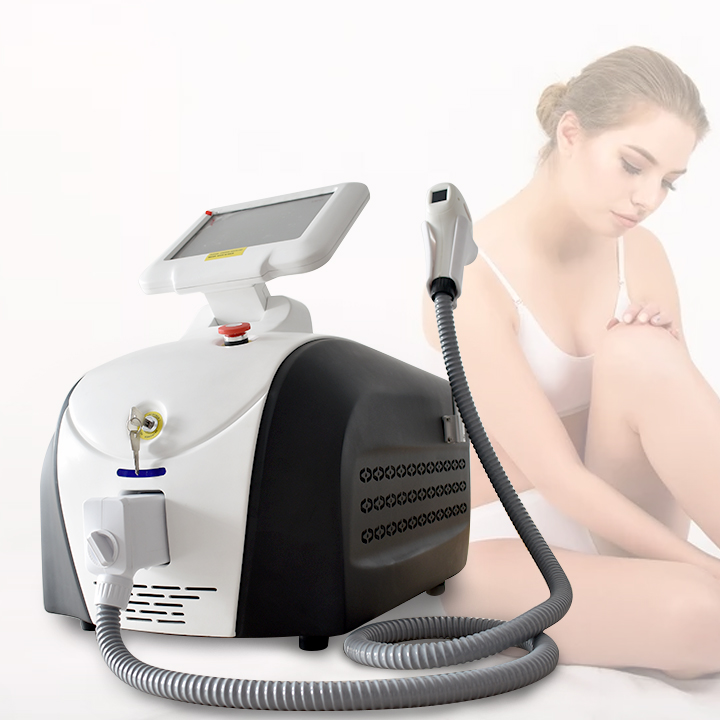
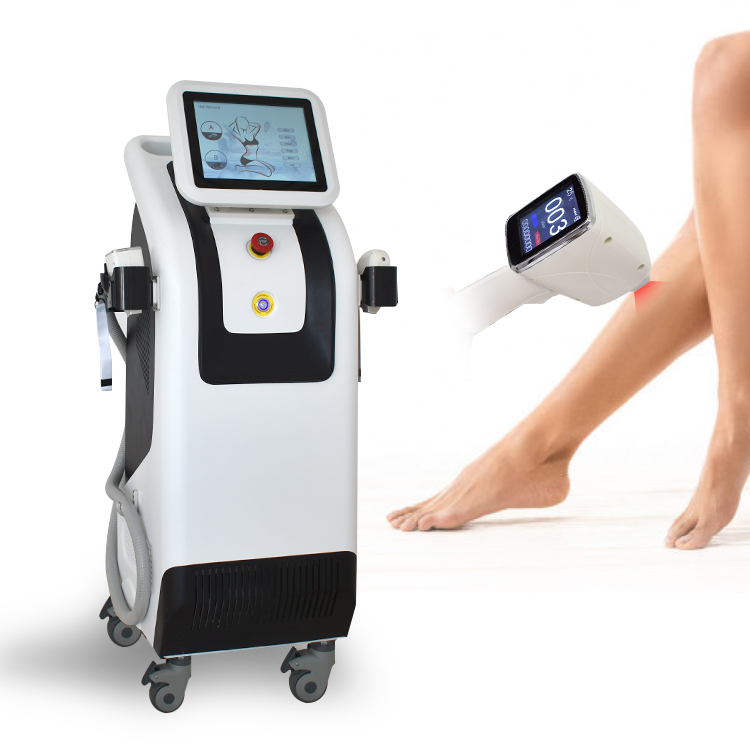


808nm Diode Laser Is The Best Sets the Industry Standard
Among diode lasers, the 808nm platform has emerged as the benchmark for aesthetics clinics and medical spas worldwide. Its wavelength offers an optimal balance: strong absorption by hair follicles with minimal melanin interaction in surrounding tissue, efficient penetration, high repetition rates, and rapid coverage. Coupled with advanced cooling and precise energy control, it delivers fast results, broad skin-type compatibility, and reduced downtime, making it a reliable choice for multi‑hundred clinic fleets. Global buyers look for consistency, support, and true value. A true standard-setter provides modular optics, scalable power, and proven QA with traceable manufacturing, along with a robust service network, spare parts availability, and user training. Certifications and compliance across regions ensure safe adoption in diverse markets. When a diode laser aligns performance, safety, and lifecycle ROI, it becomes the preferred platform for clinics seeking reliable outcomes and sustainable growth.
| Parameter | Description | Unit | Typical Range | Notes |
|---|---|---|---|---|
| Wavelength | Central wavelength of the diode laser | nm | 804–812 | Tolerances typically ±2–5 nm; widely adopted around 808 nm. |
| Total Output Power | Combined output power of the diode array | W | 600–1200 | Higher power enables faster treatments; requires adequate cooling and safety control. |
| Pulse Duration | Pulse width used for hair removal pulses | ms | 10–50 | Shorter pulses target melanin; adjustable per skin type and area. |
| Repetition Rate | Pulse repetition frequency | Hz | 1–5 | Higher rates for scanning heads; depends on handpiece configuration. |
| Spot Size | Treatment window on skin | mm x mm | 12x12 – 12x40 | Larger spots reduce treatment time; multiple sizes available. |
| Cooling Method | Skin cooling mechanism integrated | N/A | Contact/ Cryogen, Air cooling | Protects epidermis and improves comfort; some configurations use multiple cooling modes. |
| Safety Class | Device safety classification | N/A | Class IV | Requires interlocks and protective eyewear during operation. |
| Energy Density per Pulse | Delivered energy density per pulse | J/cm² | 8–25 | Configurable per patient and area; crucial for efficacy and safety. |
| Cooling Temperature | Skin cooling setpoint | °C | -5 to 5 | Cold tip helps minimize epidermal damage; extreme values require caution. |
| Maintenance Interval | Recommended service interval | months | 12–24 | Regular checks of diode stack and cooling system are advised. |
| MTBF | Mean Time Between Failures (diode module) | hours | 20,000–40,000 | Higher MTBF indicates better long-term reliability under typical clinic use. |
| Applications | Recommended treatment areas | N/A | Hair removal, skin rejuvenation (selective to wavelength) | Primarily used for hair reduction on various body areas; not all pigmented lesions are suitable. |
Related Products

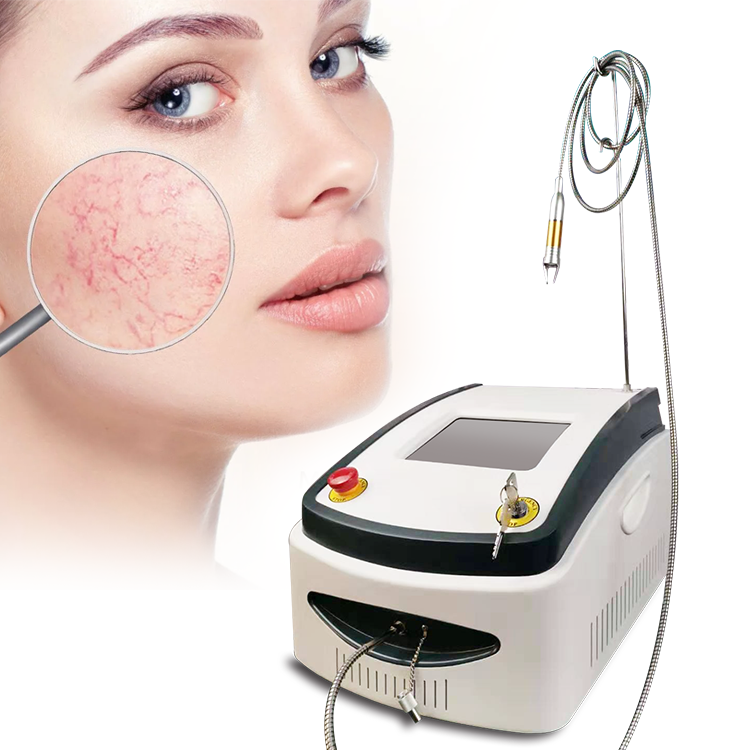

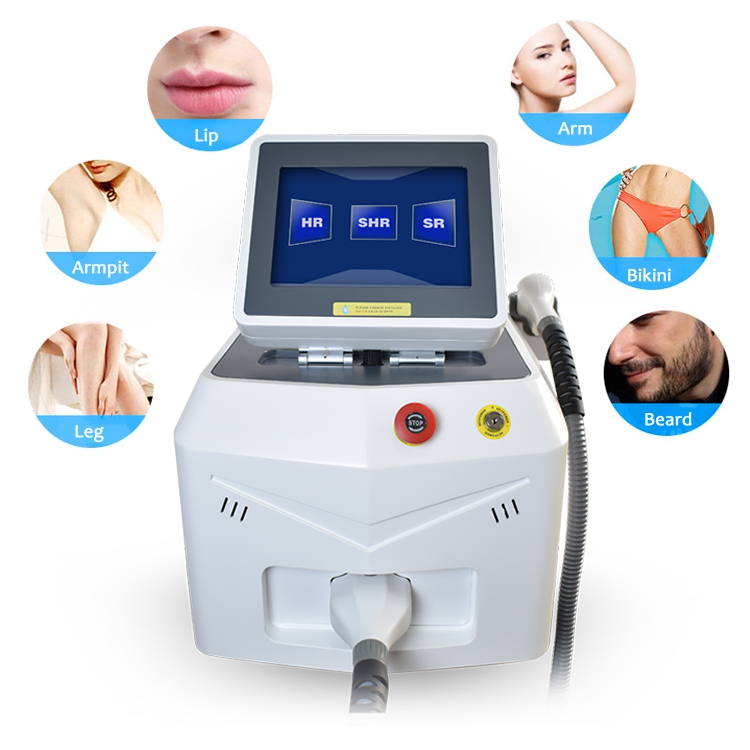

808nm Diode Laser Factory More Than a Supplier - A Partner
Top Selling Products

- Related Blog
- Reviews
