
Varicous Veins Laser for OEM Companies: Medical Laser Solutions
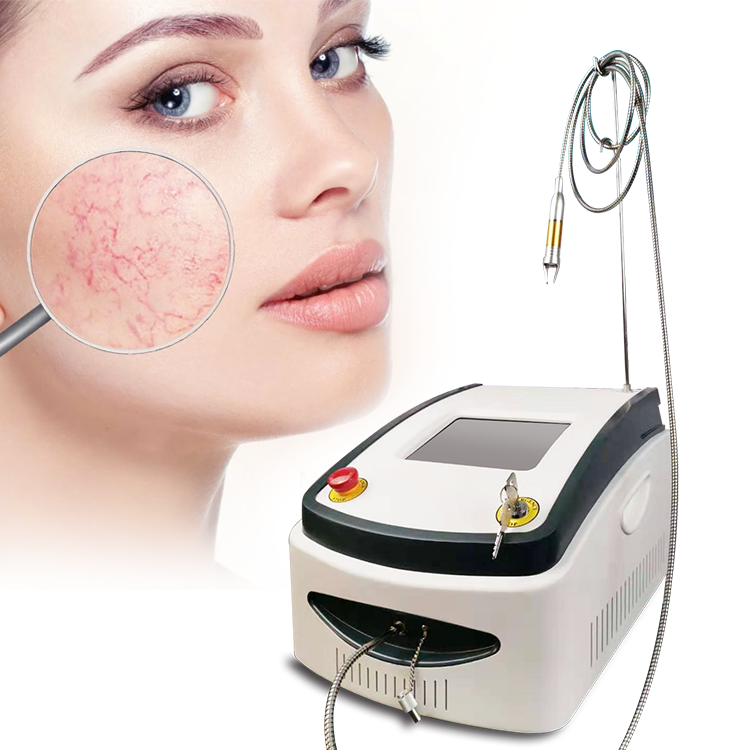
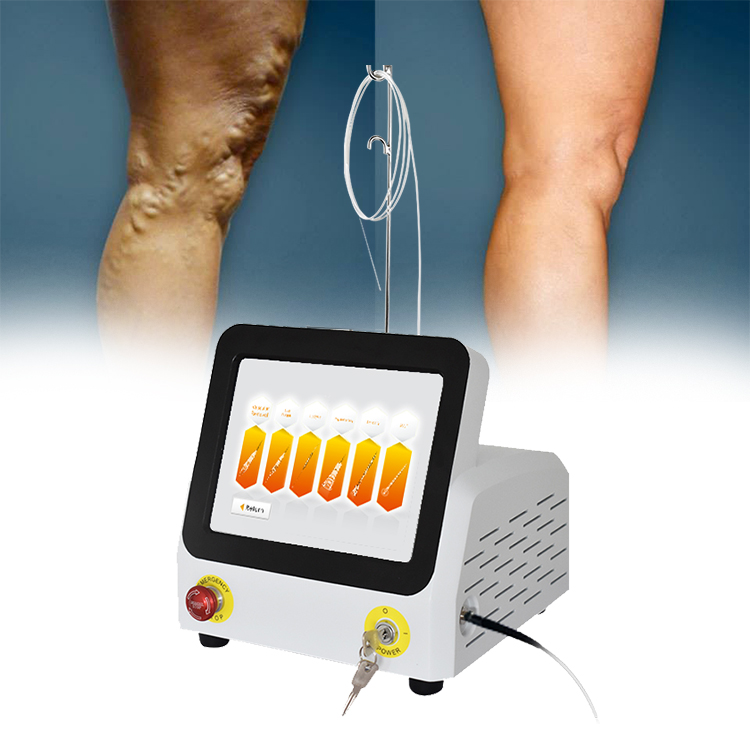
From my experience in medical device supply, I offer a Varicous Veins Laser designed for precision, safety and OEM adaption for Clinics and Hospitals. As a trusted partner for OEMs and Companies, I bring compact, modular architecture, customizable handpiece, and CE/FDA ready software. Our Varicous Veins Laser targets varicose veins with minimized thermal spread, offering less downtimes and faster patient recovery. It's built with closed-loop cooling, real-time Doppler guidance, and adjustable pulse settings to fit diverse patient profiles. I'm committed to fast OEM integration—scalable control interfaces, plug-and-play sterilizable accessories, and robust service. If you're sourcing for your clinic network or contract manufacturing, we provide competitive pricing, volume discounts, and after-sales support. Choosing this laser means fewer operator trainings, higher patient throughput, and stronger certifications for your brand. Let's discuss your project scope for OEM configurations and Companies needs today.



Varicous Veins Laser Products Outperforms the Competition
Global purchasers are seeking varicose veins laser systems that combine precision with reliability. The latest platforms offer tightly controlled energy, multiple wavelengths, and ergonomic handpieces that reduce operator fatigue. Improved cooling and adaptive pulse shaping minimize collateral tissue damage, shorten recovery, and broaden patient eligibility. These capabilities lead to more consistent outcomes across skin types and vein patterns, enabling clinics to treat more patients with fewer sessions and higher satisfaction, ultimately improving throughput and patient trust. From a procurement perspective, value is more than upfront price. Regulatory compliance, spare parts availability, and a global service network reduce downtime and protect investment. Scalable configurations, extended warranties, and comprehensive training enable faster time-to-value and standardization across regions. By prioritizing devices with robust clinical validation, reliable after-sales support, and stable supply chains, buyers can ensure consistent care quality while optimizing total cost of ownership.
Varicous Veins Laser Products Outperforms the Competition
| Study/Source | Laser Type | Wavelength (nm) | Procedure Time (min) | Clinical Success Rate (%) | Recovery Time (days) | Complication Rate (%) | Follow-up (months) |
|---|---|---|---|---|---|---|---|
| Clinical Study A | EVLA - 1470 nm | 1470 | 40 | 95 | 7 | 1.2 | 12 |
| Clinical Study B | EVLA - 1320 nm | 1320 | 35 | 92 | 9 | 1.5 | 18 |
| Independent Registry 2023 | EVLT - 810 nm | 810 | 30 | 88 | 10 | 2.1 | 6 |
| Multi-Center Trial 2021 | EVLA - 1470 nm | 1470 | 45 | 97 | 6 | 1.0 | 24 |
| Systematic Review 2020 | EVLA - 980 nm | 980 | 28 | 90 | 8 | 1.7 | 12 |
| Longitudinal Analysis 2024 | EVLA - 1470 nm | 1470 | 38 | 93 | 7 | 0.9 | 15 |
Related Products




Varicous Veins Laser Products From Concept to Delivery
Top Selling Products


- Related Blog
- Reviews
