

Shockwave Therapy For Erectile Dysfunction | OEM Companies Guide
With the Shockwave Therapy For Erectile Dysfunction system, I bring a non-invasive, clinically supported solution that helps men regain confidence. Built for OEM collaborations and Companies looking for scalable medical devices, this platform is easy to integrate, has adjustable pulse energy, multiple frequencies, and a compact console for clinic or mobile use. I provide customizable settings, firmware upgradability, and white-label packaging so you can align the device with your brand. Our protocol supports evidence-driven treatment while meeting medical compliance (CE ISO 13485). We offer scalable manufacturing, flexible MOQs, volume discounts, and global service coverage — ideal for OEM and distribution partners. Training, installation, and after-sales support are included to ensure fast time-to-market and patient satisfaction. If you want a dependable, partner-friendly solution to address Erectile Dysfunction in a modern clinic network, I’m ready to discuss specs, pricing, and OEM terms to suit your Companies' growth.
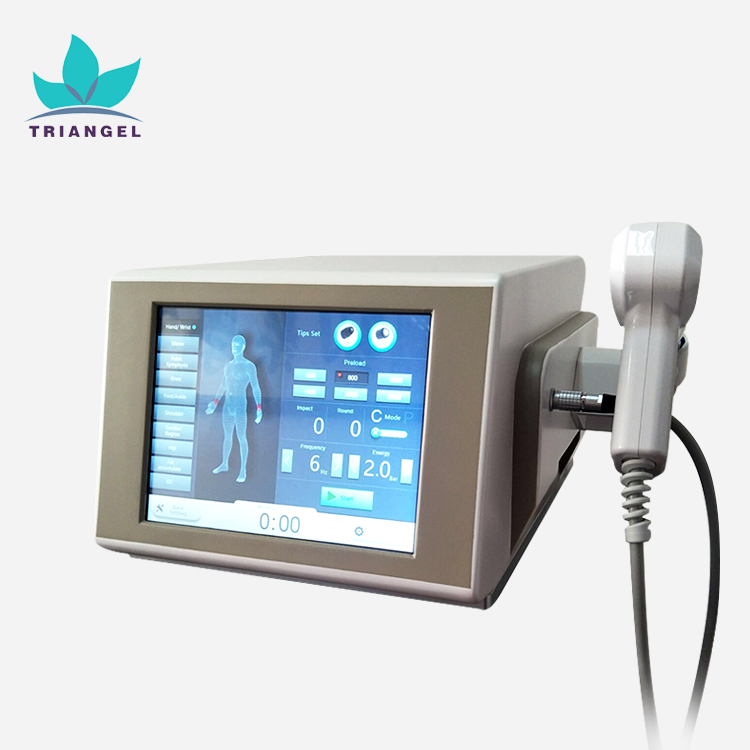
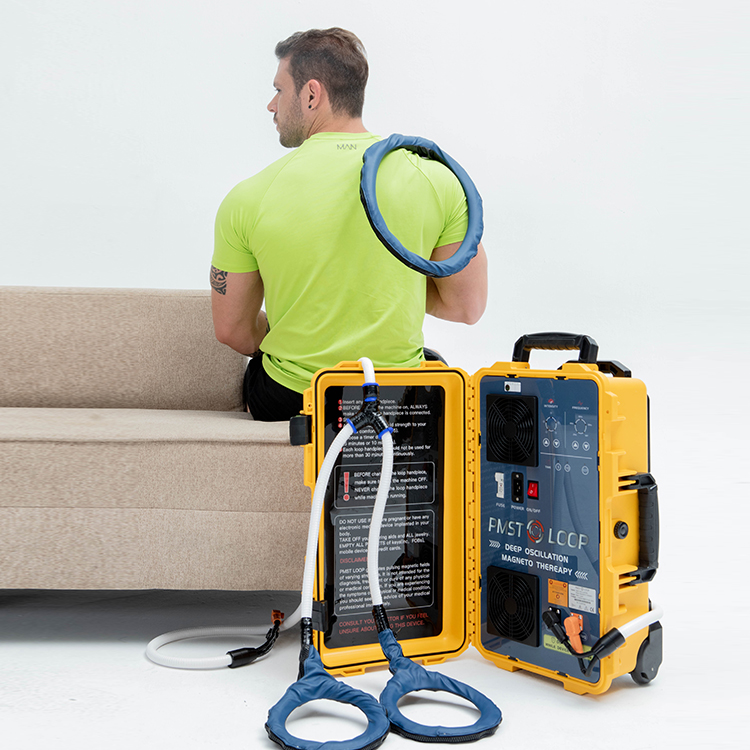
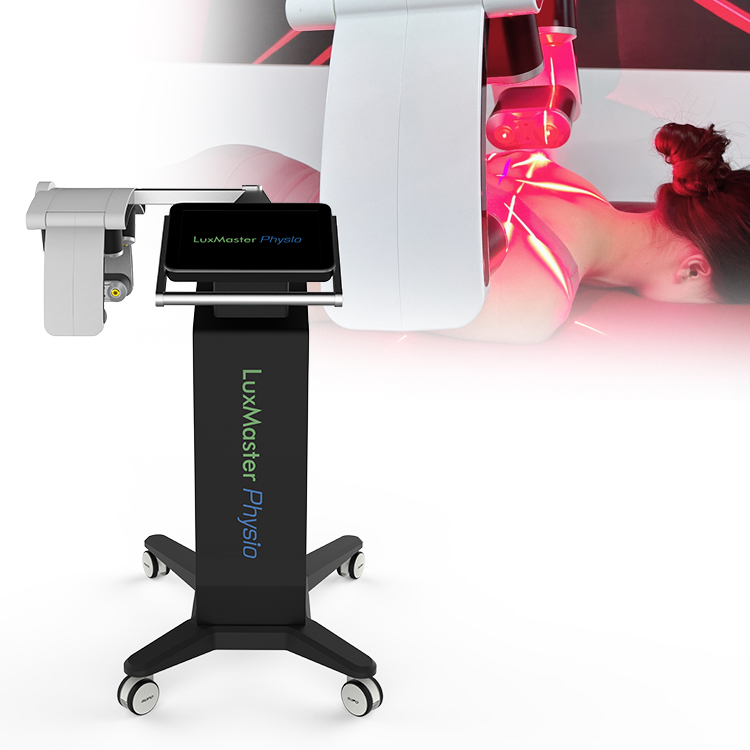

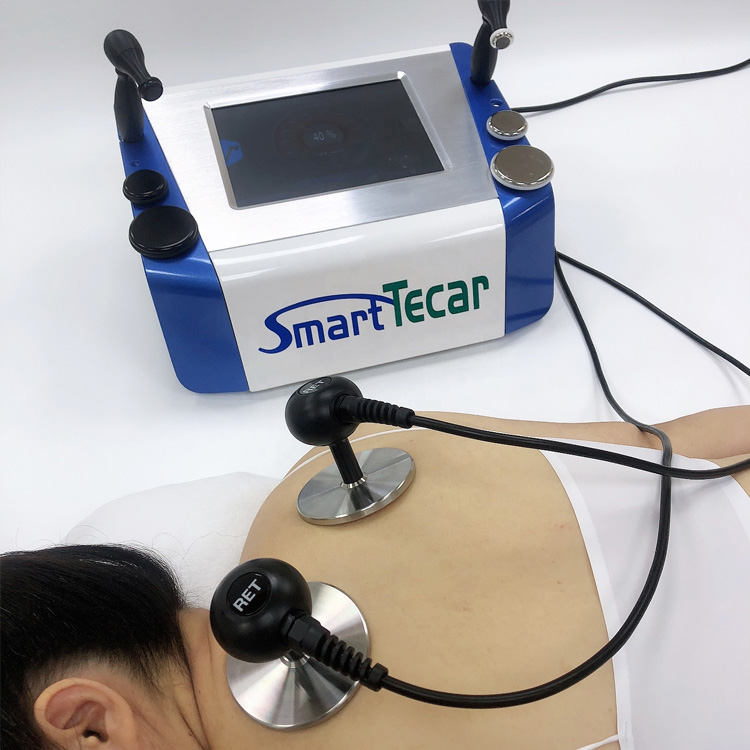
Shockwave Therapy For Erectile Dysfunction Global Reach Your End-to-End Solution
Global clinics seeking non-invasive solutions for erectile dysfunction are increasingly adopting shockwave therapy as a clinically supported option for urology and men’s health services. The technology uses low‑intensity acoustic waves to promote tissue perfusion and neovascularization, delivering an outpatient, low-downtime treatment. An end-to-end procurement approach ensures device performance, regulatory readiness, and scalable deployment across regions. From evidence-based design and strict quality management to a resilient supply chain, clinics can move from pilot to routine use with consistent performance in diverse markets. For global buyers, the value is a partner that delivers a complete package: validated devices, consumables, installation, training, and ongoing service under clear SLAs. A robust offering includes multilingual documentation, remote monitoring, spare parts availability, and timely maintenance, keeping clinics compliant and productive. Flexible configurations, phased rollouts, and local logistics support minimize risk and accelerate value. With emphasis on safety, data integrity, and measurable patient outcomes, this end‑to‑end solution scales with clinic networks and regulatory environments, enabling confident procurement decisions across borders.
| Region | Representative Market | Clinics in Region | Annual Treatments (thousands) | Efficacy Rate (%) | Avg Sessions per Patient | Avg Session Duration (min) | Market Size (USD billions) | Regulatory Status |
|---|---|---|---|---|---|---|---|---|
| North America | United States | 3,200 | 850 | 77.5 | 6.0 | 12 | 1.8 | Approved (FDA-cleared) |
| Europe | Germany | 2,600 | 680 | 73.0 | 6.2 | 11.5 | 1.2 | Approved (CE) |
| Europe | United Kingdom | 2,100 | 610 | 74.0 | 6.0 | 11.8 | 0.9 | Approved (MHRA) |
| Asia-Pacific | Japan | 3,100 | 900 | 76.0 | 5.8 | 12.0 | 1.5 | Approved (PMDA) |
| Asia-Pacific | Australia | 1,900 | 450 | 70.0 | 5.7 | 12.2 | 0.7 | Approved |
| North America | Canada | 900 | 220 | 71.0 | 5.9 | 11.4 | 0.3 | Approved (Health Canada) |
| Latin America | Brazil | 1,200 | 300 | 68.0 | 6.3 | 11.7 | 0.2 | Approved (ANVISA) |
| Middle East & Africa | United Arab Emirates | 600 | 140 | 65.0 | 5.5 | 12.5 | 0.1 | Approved |
Related Products
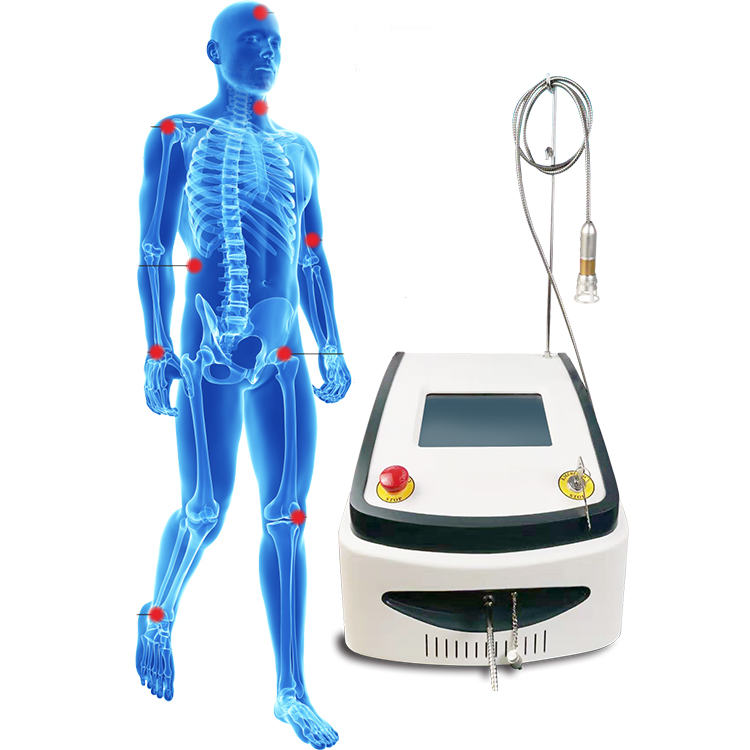
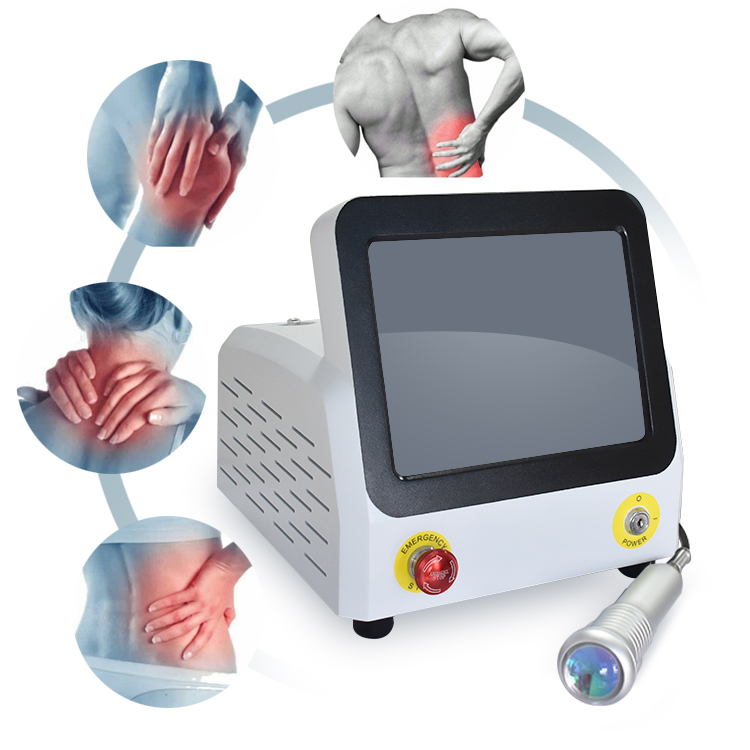
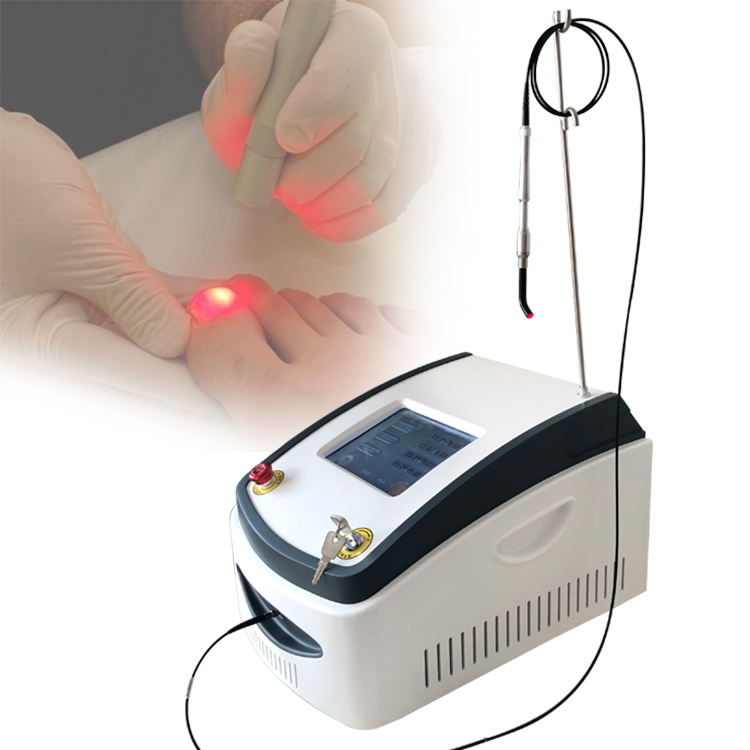
Diode laser 980nm 60W Class IV medical use back knee neck shoulder class 4 laser pain physical therapy equipments- 980Class IV Therapy Laser
Read More
Shockwave Therapy For Erectile Dysfunction Winning in 2025 Supplies the World\u2019s Top Brands
Top Selling Products



- Related Blog
- Reviews
