

Roller Slim Body Shape Machine - CE Certification for Quality Products
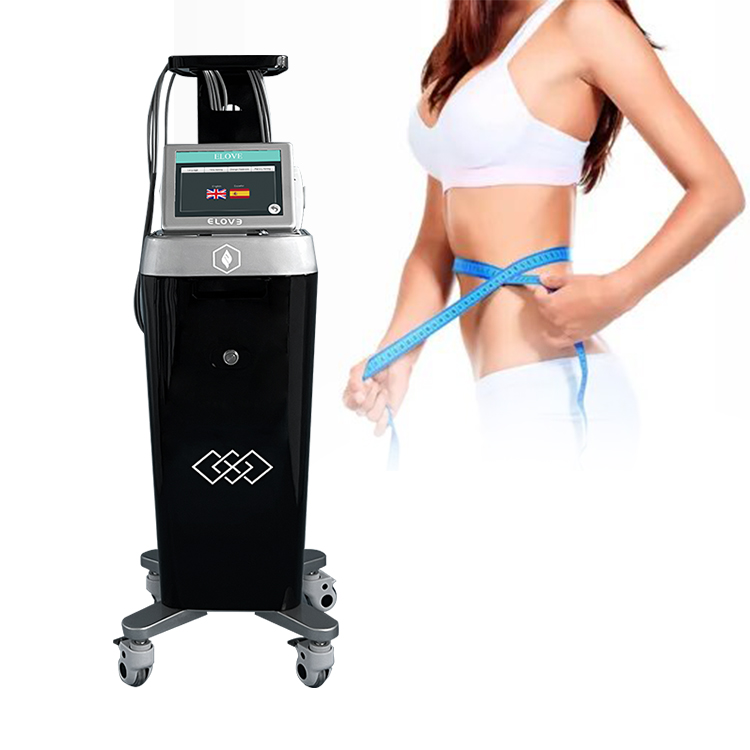
From a perspective of a buyer, I offer the Roller Slim Body Shape Machine for clinics and wellness centers. This device delivers targeted percussion massage via rollers to shape and tighten, with adjustable intensity and ergonomic handle for staff. The CE Certification assures safety and reliability for daily use in busy spaces. It integrates calmly into existing treatment rooms without heavy installation, and low maintenance. I keep our Product line focused on durable, hygienic components and easy cleaning. For buyers like you, I provide clear product specs, spare parts availability, and fast after-sales service as part of our Products. If you're expanding your spa menu or physio rehab offering, this machine is a cost-effective addition. I personally stand behind the quality tested under professional standards, and I welcome questions about throughput, service plans, and warranties.



Roller Slim Body Shape Machine Trusted by Pros Service Backed by Expertise
Designed for clinics, spas, and wellness studios, the roller-based body-shaping machine delivers consistent contouring results with gentle rollers and adjustable intensity. Built with high-precision components, rigorous testing, and ergonomic controls, it supports a fast learning curve for staff and dependable outcomes for clients. The equipment emphasizes safety, minimal downtime, and sanitary design, making it suitable for high-volume environments across diverse markets. To global buyers, the key advantage is a supply chain engineered for reliability: standardized QC, traceable components, and scalable production to meet demand spikes. The system supports worldwide voltage options, compatible accessories, and spare parts availability. Comprehensive service covers installation, operator training, remote diagnostics, and timely maintenance, backed by deep technical expertise. With flexible terms and multi-language support, clinics and wellness centers can partner with confidence for sustainable growth.
{ Roller Slim Body Shape Machine Trusted by Pros Service Backed by Expertise}
| Model | Weight (kg) | Power (W) | Head Types | Frequency (Hz) | Noise (dB) | Max Temperature (°C) | Treatment Time (min) | Certification | Warranty (years) |
|---|---|---|---|---|---|---|---|---|---|
| Model A | 6.2 | 250 | 3-Head Roller + Cavitation | 25 | 58 | 43 | 15 | CE, RoHS | 2 |
| Model B | 6.8 | 260 | 4-Head | 28 | 60 | 44 | 20 | CE, FCC | 2 |
| Model C | 7.1 | 270 | 4-Head | 26 | 59 | 45 | 25 | CE | 3 |
| Model D | 5.9 | 230 | 2-Head | 22 | 57 | 42 | 12 | CE, RoHS | 2 |
| Model E | 6.4 | 240 | 3-Head | 24 | 61 | 46 | 18 | CE, RoHS, IEC | 2 |
| Model F | 7.0 | 275 | 4-Head | 30 | 63 | 47 | 22 | CE, FCC | 3 |
Related Products

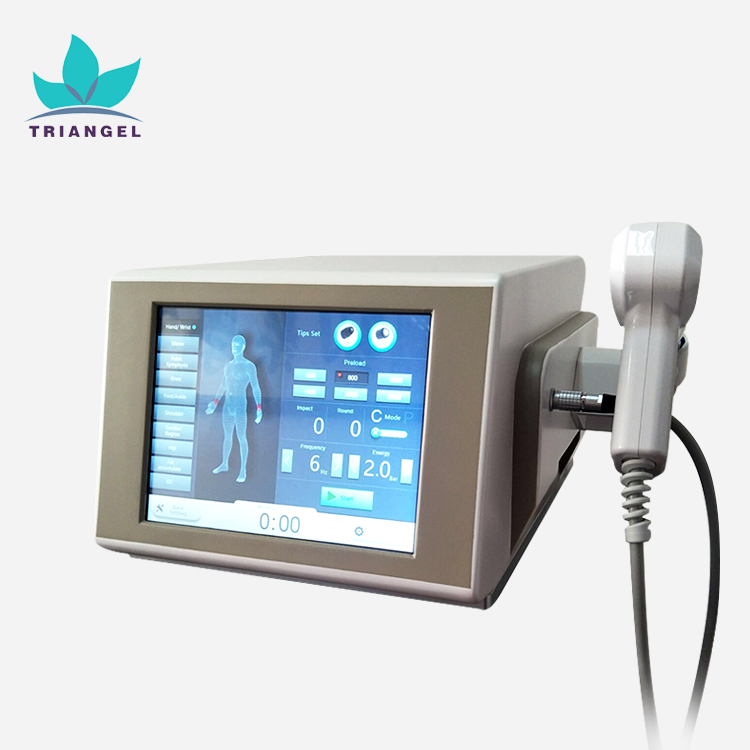
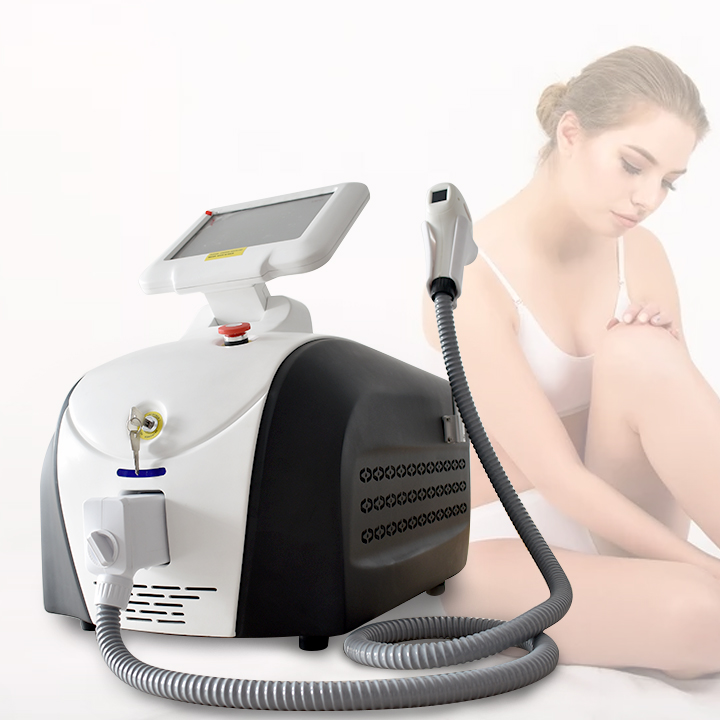
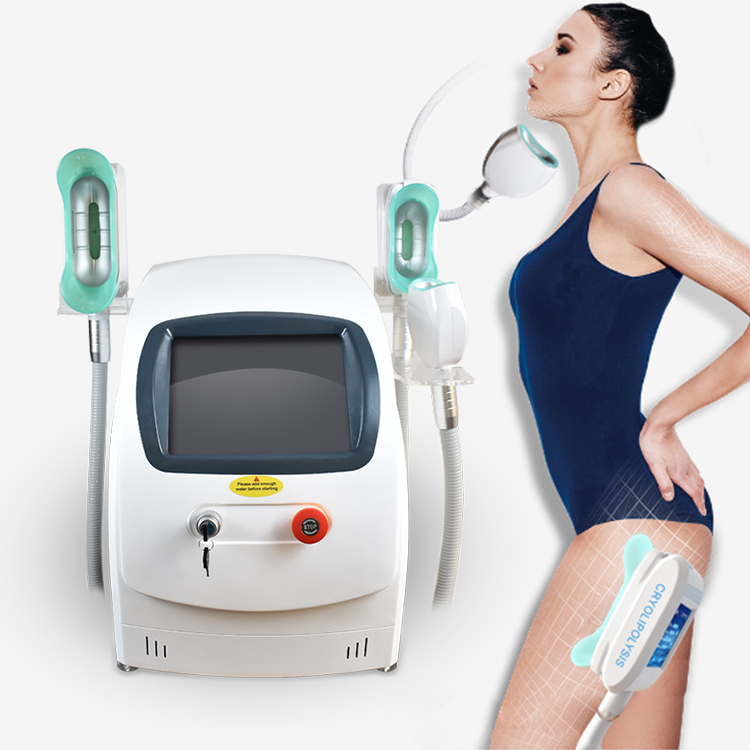

Roller Slim Body Shape Machine Factory From Concept to Delivery
Top Selling Products


- Related Blog
- Reviews
