

Radial Shockwave Therapy Machine - Cheap Prices & Excellent Service
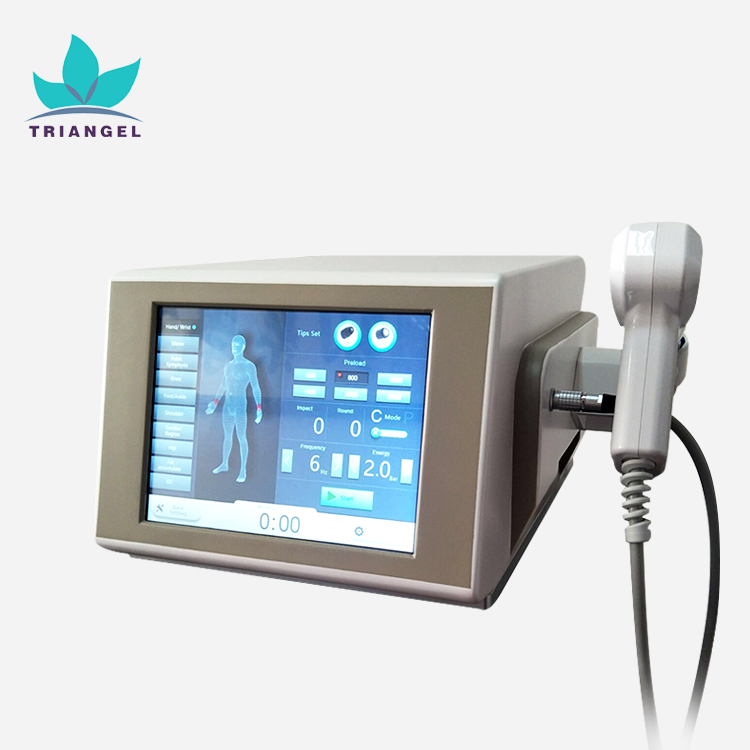
I offer the Radial Shockwave Therapy Machine as a practical solution for clinics and rehab centers aiming to boost outcomes and patient throughput. It delivers proven relief for musculoskeletal pain with adjustable energy, multiple heads, and a compact footprint that fits tight rooms. For buyers chasing a Cheap option without sacrificing reliability, I’ve designed durable components and straightforward service needs to keep running costs low. Setup is quick, training is minimal, and intuitive controls reduce chairside time. Our Service is what sets us apart—factory warranty, fast remote troubleshooting, and prompt spare parts delivery ensure you stay productive. I’ve focused on ergonomic handpieces and patient-first protocols that translate into higher acceptance and repeat visits. If ROI matters, this machine offers compelling value: strong performance, affordable maintenance, and trusted Service that clinics count on day after day.


Radial Shockwave Therapy Machine Where Innovation Meets 2025 Where Service Meets Innovation
Across the medical device landscape, the Radial Shockwave Therapy machine embodies the synthesis of engineering innovation and clinical practicality in 2025. Clinicians can tailor energy, pulse frequency, and treatment duration with a streamlined interface, enabling precise protocols for musculoskeletal pain, tendinopathies, and sports injuries. A compact, portable design plus quick setup accelerates clinic workflows, while robust build quality and reliable performance ensure steady day-to-day operation in diverse markets and regulatory environments. This machine is designed to integrate with existing assessment and follow-up workflows, supporting data-driven patient care. Global buyers looking for dependable procurement will value a service model that matches technology with support. Expect global training programs, installation and validation assistance, remote diagnostics, rapid parts replacement, and local service coverage that minimizes downtime. Flexible warranty options, lifecycle management, and compliance documentation help shorten time-to-value in new regions. Where innovation meets service, clinics and distributors win by delivering consistent outcomes, cost efficiency, and confidence across international markets in 2025 and beyond.
| Parameter | Sub-Parameter | Typical Value | Unit | Notes |
|---|---|---|---|---|
| Treatment Parameter | Frequency | 1-16 | Hz | Adjustable to tissue density; higher settings for faster sessions |
| Energy Level | 2-5 | bar | Representative energy for radial head; adjustable per tolerance | |
| Pulses per Session | 1500-3000 | pulses | Common dose range depending on target area | |
| Treatment Time | 5-12 | minutes | Typical session duration | |
| Treatment Heads | Head Count | 2-3 | heads | Interchangeable applicators for different regions |
| Applications | Indications | Lateral epicondylitis; Plantar fasciitis; Shoulder tendinopathy; Calcific tendinitis | n/a | Common musculoskeletal conditions treated noninvasively |
| Coverage | Area per Pulse | 10-25 | cm² | Approx. treatment area per impulse; depends on head design |
| Device Weight | 2.5-3.5 | kg | Portability in clinic; optional stand mount | |
| Power | Consumption | 150-350 | W | Operational power draw |
| Operating Temp | Range | 10-40 | °C | Ambient operating temperature |
| Safety | Features | Overload protection; Handpiece lock | n/a | Safety interlocks for user and patient protection |
| Connectivity | Data | USB/Wi-Fi | n/a | Session logging and remote maintenance |
| Maintenance | Interval | 6-12 | months | Preventive service schedule |
| Warranty | Period | 12-24 | months | Device warranty; regional variations may apply |
Related Products

Radial Shockwave Therapy Machine Now Trending Sets the Industry Standard
Top Selling Products



- Related Blog
- Reviews
