

Liposuction Laser Device OEM Companies: Solutions for Medical Lasers
I’m excited to present a Liposuction Laser Device that’s ready for OEM partnerships and the needs of Companies looking to expand their cosmetic device lines. Built for seamless integration into your production flow, this system offers precise energy control, a compact ergonomic handpiece, and dependable cooling to protect tissues during treatment. I can offer multi-wavelength options, adjustable pulse settings, and real-time feedback so your clinicians get consistent results every time. For OEMs, the device is designed for easy branding, software customization, and flexible packaging to fit your go-to-market strategy. We support scaled orders, thorough documentation, and training to keep your team proficient. Compliance and service matter to me, so you’ll receive a robust warranty package and responsive after-sales support. If you’re a Company seeking to diversify with a safe, effective Liposuction Laser Device, let’s tailor a solution that matches your workflows, regulatory path, and brand goals.


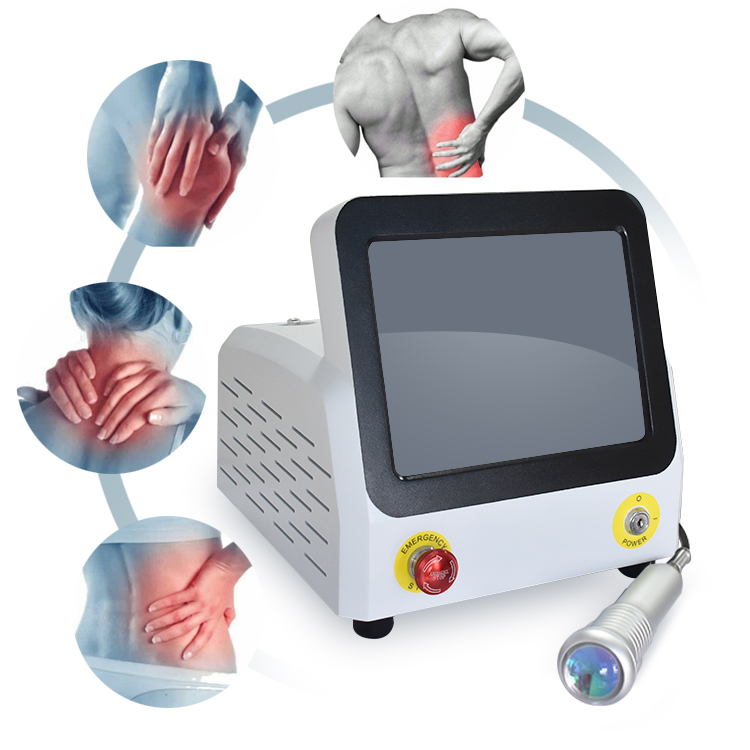


Liposuction Laser Device Is The Best Your Trusted OEM Partner
In the fast‑moving field of aesthetic laser technology, a liposuction laser device is a strategic asset for clinics and distributors worldwide. As a trusted OEM partner with deep experience in medical devices, we provide not only high‑precision hardware but also a reliable, compliant supply chain. Rigorous design validation, biocompatibility testing, and ISO/CE/GMP‑driven QA ensure safety, consistency, and durability across markets. Choosing an OEM partner means tailored configurations, regulatory documentation, and a scalable manufacturing flow that matches demand. We protect intellectual property, offer transparent pricing, and deliver technical support, training resources, and responsive after‑sales service. With flexible MOQs, fast lead times, and dependable logistics, you can speed market entry while controlling costs. For global buyers seeking reliable access to advanced liposuction laser technology, a proven OEM alliance delivers quality, compliance, and enduring value.
| Model | Wavelength (nm) | Pulse Duration (ms) | Average Power (W) | Repetition Rate (Hz) | Energy per Pulse (mJ) | Total Energy (kJ) | Sterilization Method | Certifications | Clinical Efficacy (%) | Operating Temperature (C) | Warranty (years) | OEM Support Level | Lead Time (weeks) | Material | Weight (g) |
|---|---|---|---|---|---|---|---|---|---|---|---|---|---|---|---|
| LPD-1064-HP | 1064 | 4 | 15 | 20 | 150 | 1.80 | EO Sterilization | CE, ISO 13485 | 28 | 20-25 | 2 | Premium 24/7 Technical Support | 8 | Titanium + Stainless Steel | 1100 |
| LPD-1064-EL | 1064 | 6 | 12 | 30 | 120 | 2.16 | EO Sterilization | CE, ISO 13485 | 25 | 15-40 | 2 | Standard | 6 | Stainless Steel + Aluminum | 1200 |
| LPD-1320-DS | 1320 | 8 | 18 | 15 | 180 | 2.43 | EO Sterilization | CE, ISO 13485 | 30 | 16-34 | 3 | Advanced customization (fiber options) | 12 | Titanium + Medical-grade polymers | 1300 |
| LPD-9800-GL | 980 | 3 | 10 | 25 | 100 | 1.50 | EO Sterilization | CE, ISO 13485 | 22 | 18-30 | 2 | Basic | 4 | Stainless Steel | 980 |
Related Products

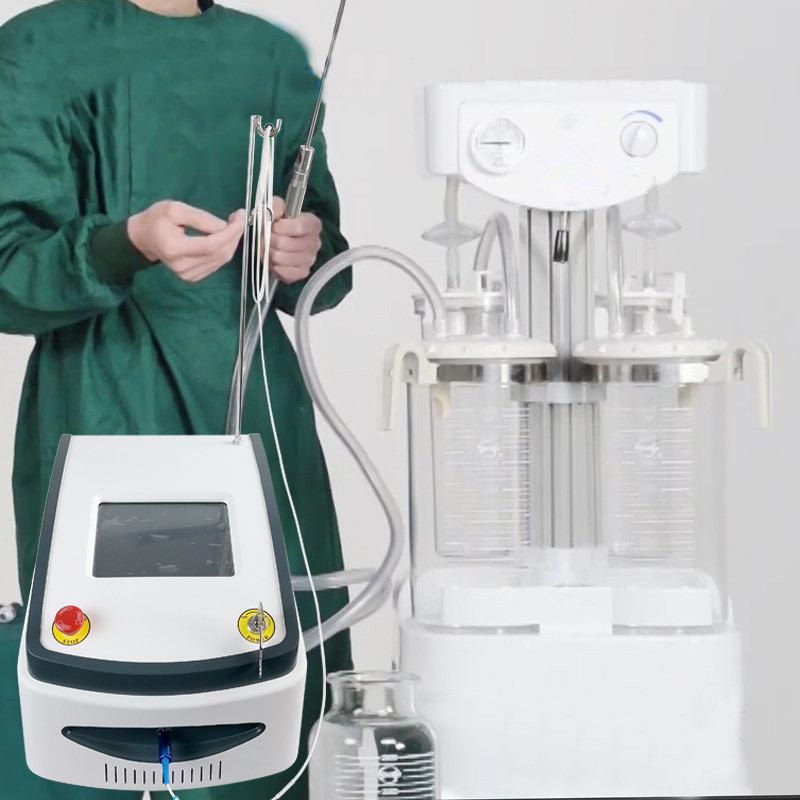
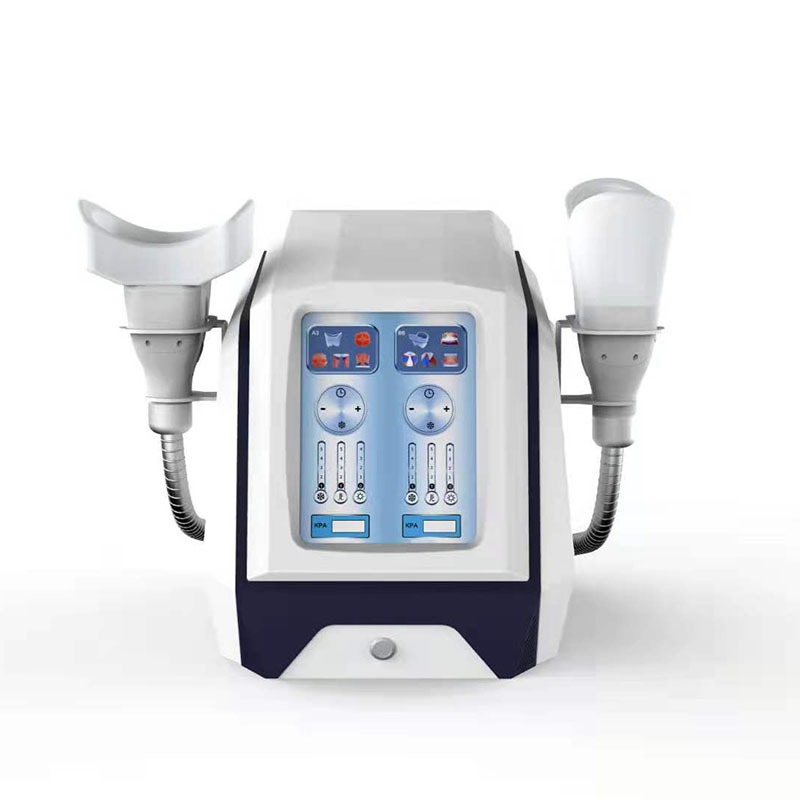


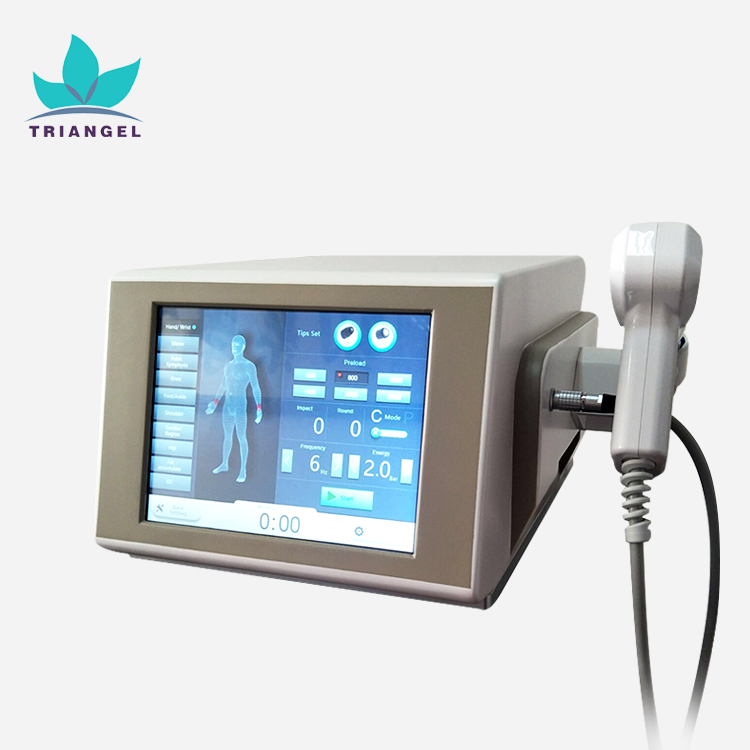

Liposuction Laser Device Pioneers in the Field Your End-to-End Solution
Top Selling Products

- Related Blog
- Reviews
