

Diode Laser For Hair Removal 808nm Beauty Machine ODM Product
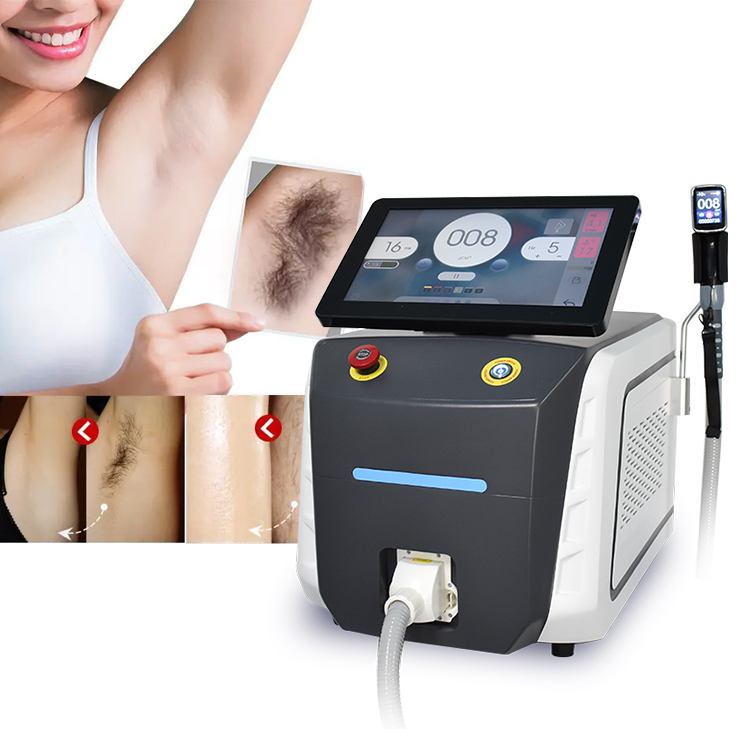
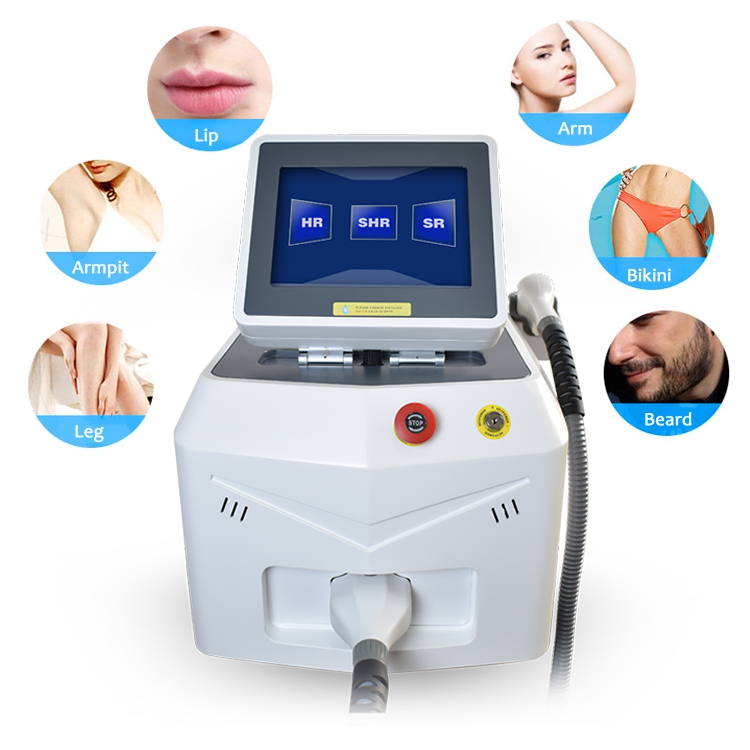
From my workshop to your clinic, the Diode Laser For Hair Removal 808nm Beauty Machine delivers steady results for diverse skin tones. I engineered it with a robust 808nm diode, large spot size, quick cooling, and user-friendly interface to speed up sessions and boost client satisfaction. For B2B buyers, I offer ODM options to tailor the Product to your brand—logo, packaging, pre-set protocols, and service levels—so you can go to market faster. The device complies with safety standards, provides reliable performance, and supports continuous operation in busy beauty centers. I designed it to be maintenance-friendly, spare parts widely available, and compatible with standard consumables. Whether you run a cosmetic chain or a boutique clinic, this system helps you attract repeat clients with proven hair reduction results, minimal downtime, and excellent ROI. Let’s discuss how we can customize the Product line for your market.


Diode Laser For Hair Removal 808nm Beauty Machine Service Guarantees Peak Performance
An 808 nm diode laser for hair removal delivers fast treatment and reliable results across a broad range of skin tones. It targets follicles with precision while protecting surrounding tissue, making it suitable for global clinics. The system is designed to operate across different electrical standards with a durable handpiece and user-friendly interface that speeds up training and workflow. Purchase guarantees include a comprehensive warranty, preventive maintenance, and rapid spare parts access through a global service network. Remote diagnostics, on-site visits, and software updates help sustain peak performance with minimal downtime. Safety checks and operator training ensure consistent results and compliance with international standards. Stable energy output, reliable cooling, and precise pulse control translate into predictable outcomes and higher patient satisfaction, delivering a solid return on investment for aesthetic clinics. Transparent service levels, proactive monitoring, and multilingual support empower clinics worldwide to maintain peak performance with confidence.
{ Diode Laser For Hair Removal 808nm Beauty Machine Service Guarantees Peak Performance}
| Parameter | Description | Typical Value | Unit | Verification Method |
|---|---|---|---|---|
| Wavelength | Emission wavelength for hair removal | 808 | nm | Spectral analyzer |
| Pulse Duration | Pulse width used during treatment | 10-100 | ms | Pulse analyzer |
| Spot Size | Treatment beam spot size | 12 x 12 | mm | Calibrated measuring grid |
| Repetition Rate | Pulse repetition rate during treatment | 1-3 | Hz | Timer-based measurement |
| Cooling System | Integrated cooling mechanism (contact/water-cooled) | - | - | System specification |
| Safety Features | Skin sensor, impedance check, emergency stop | - | - | Functional testing |
| Power Consumption | Electrical power during operation | 2.0 | kW | Power meter |
| Operating Temperature | Ambient operating environment | 15-30 | °C | Environmental chamber |
| Weight | Device weight | 6.5 | kg | Scale measurement |
| Dimensions (L x W x H) | Exterior dimensions | 420 x 90 x 60 | mm | Caliper measurement |
| Guarantee | Description | Typical Value | Unit | Verification Method |
|---|---|---|---|---|
| Uptime Guarantee | Minimum monthly system uptime | 98 | % | System logs |
| First Response Time | Average initial response to support tickets | 4 | hours | Ticketing system |
| On-site Repair Window | Time to complete on-site repair after fault | 24-48 | hours | Service reports |
| Maintenance Interval | Preventive calibration/maintenance frequency | 6 | months | Maintenance logs |
| Spare Parts Availability | Availability of essential spare parts | 99 | % | Inventory logs |
| Software Update Turnaround | Lead time to deploy firmware/software updates | 2 | weeks | Release notes |
| Category | Metric | Value | Unit | Notes |
|---|---|---|---|---|
| Clinical Efficacy | Hair reduction after 6 sessions | 70-85 | % | Varies by individual factors |
| Reliability | Mean Time Between Failures (MTBF) | 7500 | hours | QA data |
| Energy Efficiency | Standby power consumption | 0.2 | kW | Power monitoring |
| Safety | Safety Incident Rate | 0.0 | % | QA records |
| Standard | Description | Compliance Status | Certification Body | Last Certification Date |
|---|---|---|---|---|
| IEC 60601-1 | Medical electrical safety | Compliant | Not disclosed | 2024-11-01 |
| IEC 60601-2-22 | Lasers for cosmetic use | Compliant | Not disclosed | 2025-08-21 |
| ISO 13485 | Quality management for medical devices | Compliant | Not disclosed | 2023-12-18 |
| IEC 60825-1 | Laser safety standard | Class 4 system | Not disclosed | 2024-06-15 |
| EMC Standards | EMC compatibility (emission/immunity) | Compliant | Not disclosed | 2024-09-07 |
Related Products



Diode Laser For Hair Removal 808nm Beauty Machine Ahead of the Curve Custom Solutions,
Top Selling Products

- Related Blog
- Reviews
