

Cryo Pad For Cryolipolysis - CE Certification & Premium Products
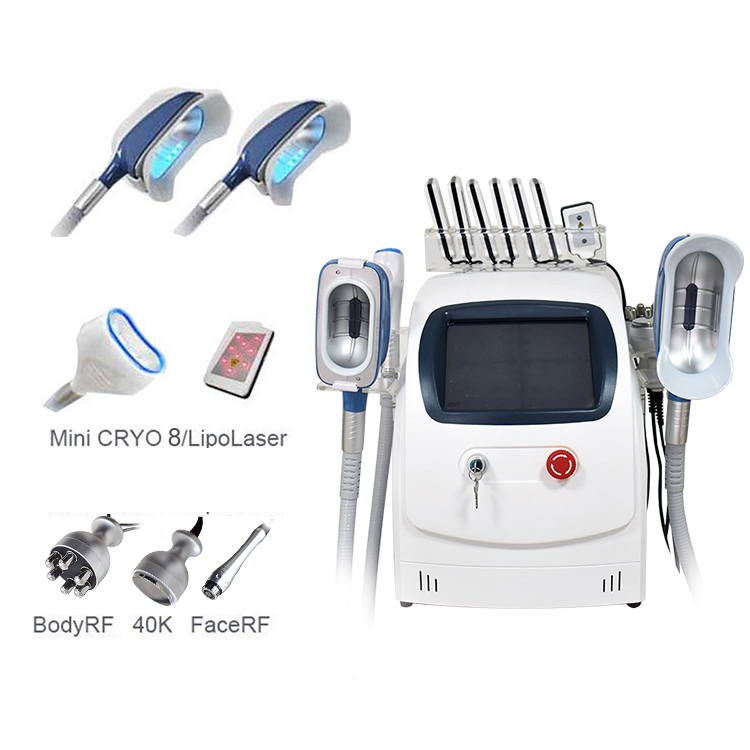
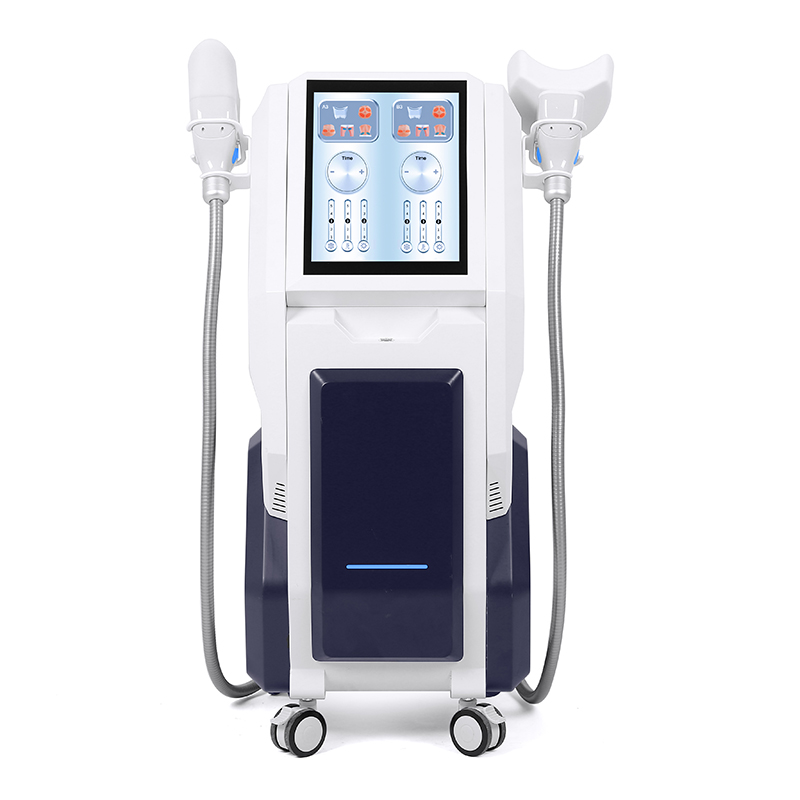
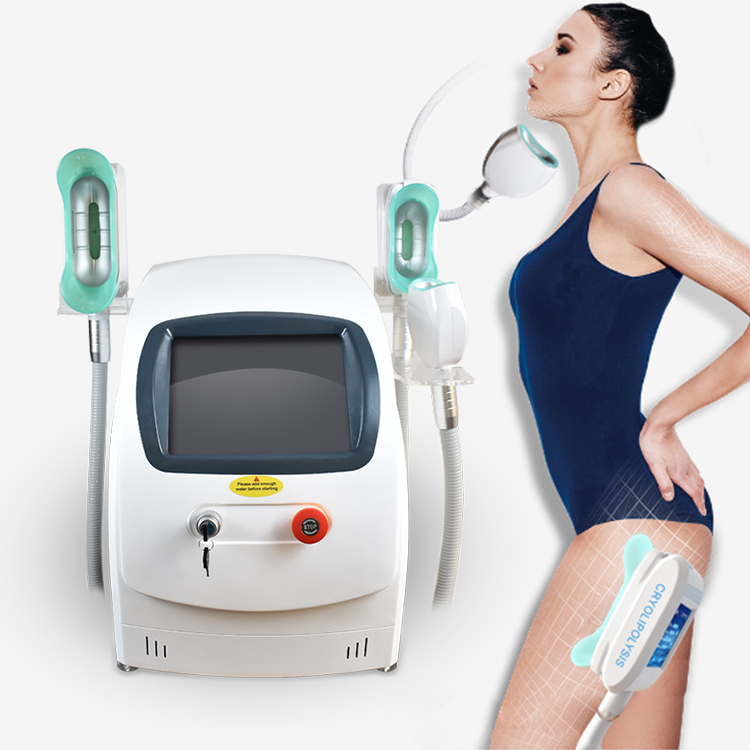
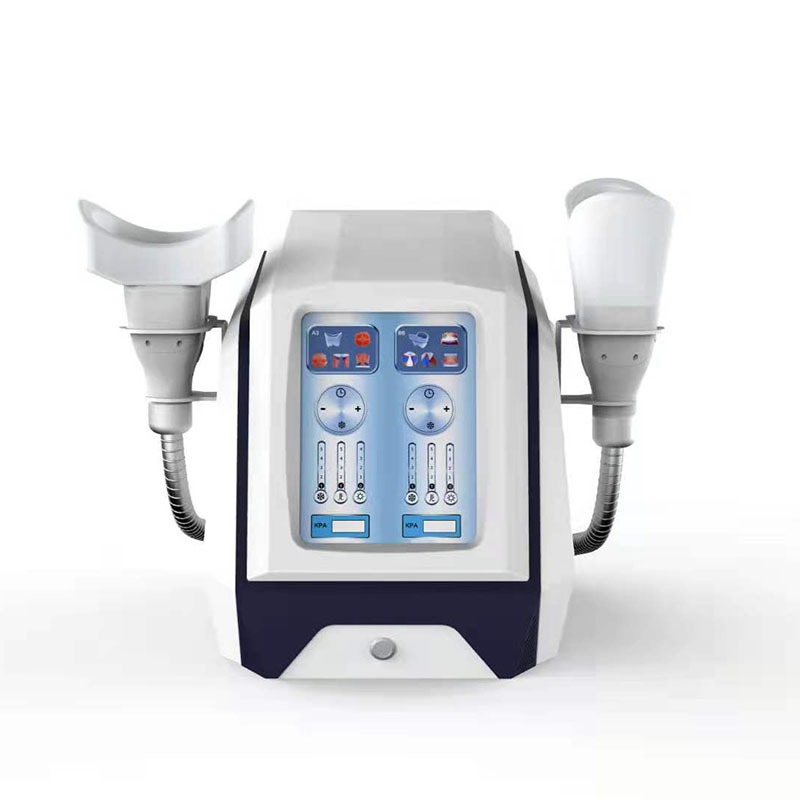
I’m proud to present our {Cryo Pad For Cryolipolysis}, developed for clinics seeking reliable, comfortable fat reduction. I designed it to deliver uniform cooling, fast attachment, and easy integration into existing devices. With a soft silicone edge and medical-grade materials, it minimizes skin sensitivity while maximizing results. Our CE Certification ensures compliance with global safety standards, giving purchasers confidence in regulatory readiness across markets. I offer a complete range of compatible Products and spare parts, so you can scale up without supply chain headaches. In my experience, clinics value consistency: stable temperatures, repeatable outcomes, and simple maintenance. This pad supports multiple treatment heads and can be customized for different body areas, from abdomen to flanks. If you’re looking to expand your aesthetic portfolio, our {Cryo Pad For Cryolipolysis} pairs well with your existing system and our robust after-sales support.


Cryo Pad For Cryolipolysis Where Innovation Meets 2025 Service Backed by Expertise
Designed for modern aesthetics clinics and medical spas, the Cryo Pad for Cryolipolysis delivers targeted fat reduction with precise, controlled cooling. An advanced contact system provides uniform temperature across body contours, reducing treatment variability. Smart sensors offer real-time feedback, safeguarding skin and enabling comfortable sessions. The modular pad adapts to multiple devices, ensuring quick integration into existing workflows. By 2025, service is backed by deep clinical expertise and disciplined quality programs. Complete lifecycle support includes rigorous QC, proactive maintenance, and rapid parts replacement to minimize downtime. Clinician training, remote diagnostics, and on-site service options help ensure safe operation across markets. Global buyers will value scalable supply, flexible ordering, and packaging for international shipments. Customization options, regulatory alignment, and OEM/ODM collaboration support regional needs while maintaining safety standards. This blend of innovative cooling and service excellence enables clinics to expand fat-reduction programs with confidence.
| Dimension | Parameter | Value | Unit | Notes |
|---|---|---|---|---|
| Treatment Area | Average area treated per pad application | 300 | cm^2 | Typical applicator covers 240–360 cm2 |
| Cooling Parameter | Target temperature | -7 | °C | Common range -5 to -10 °C |
| Session Duration | Treatment time per cycle | 50 | minutes | Typical range 35–60 minutes |
| Patient Comfort | Pain score (VAS) | 2.5 | points | Generally mild discomfort |
| Efficacy | Average fat reduction at 3 months per area | 22 | % | Variation 15–28% |
| Safety | Transient adverse events incidence | 3 | % | Mild numbness, erythema; resolves |
| Device Efficiency | Energy use per cycle | 350 | Wh | Estimated energy per cycle |
| Activity Resumption | Return to normal activity | 0 | days | Usually same-day |
Related Products



Cryo Pad For Cryolipolysis Delivers Unmatched Quality From Concept to Delivery
Top Selling Products


- Related Blog
- Reviews
