

360 Cryolipolysis Machine for OEM Companies - Trusted Manufacturer
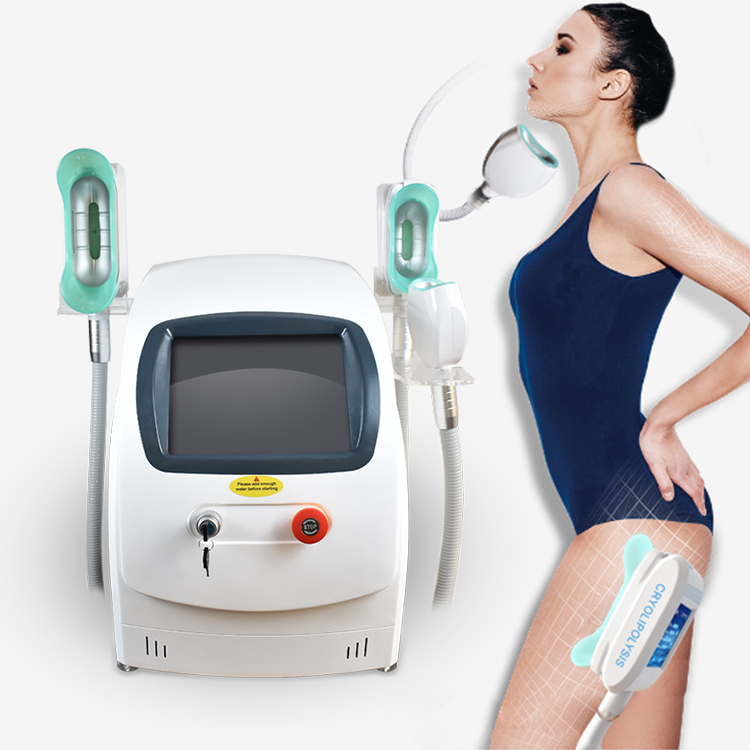
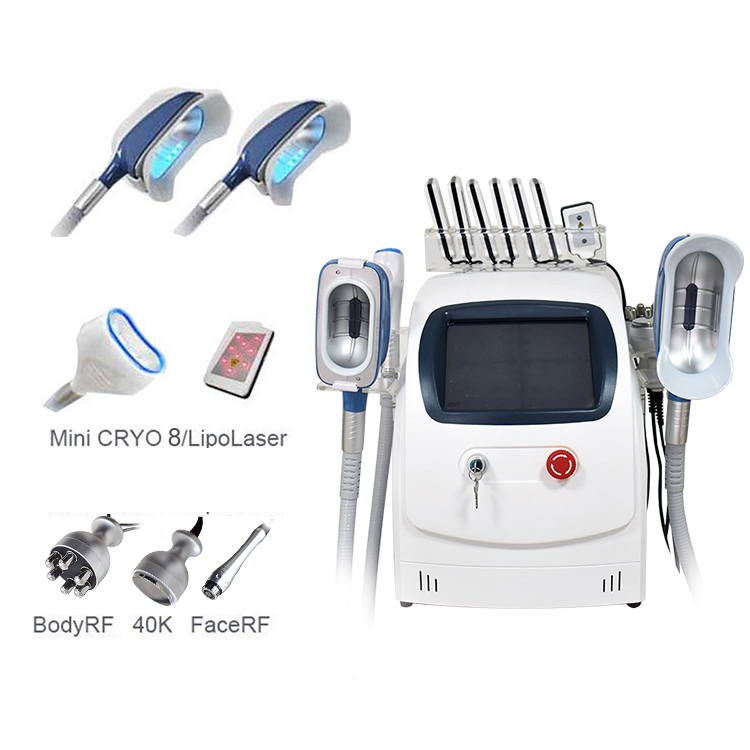
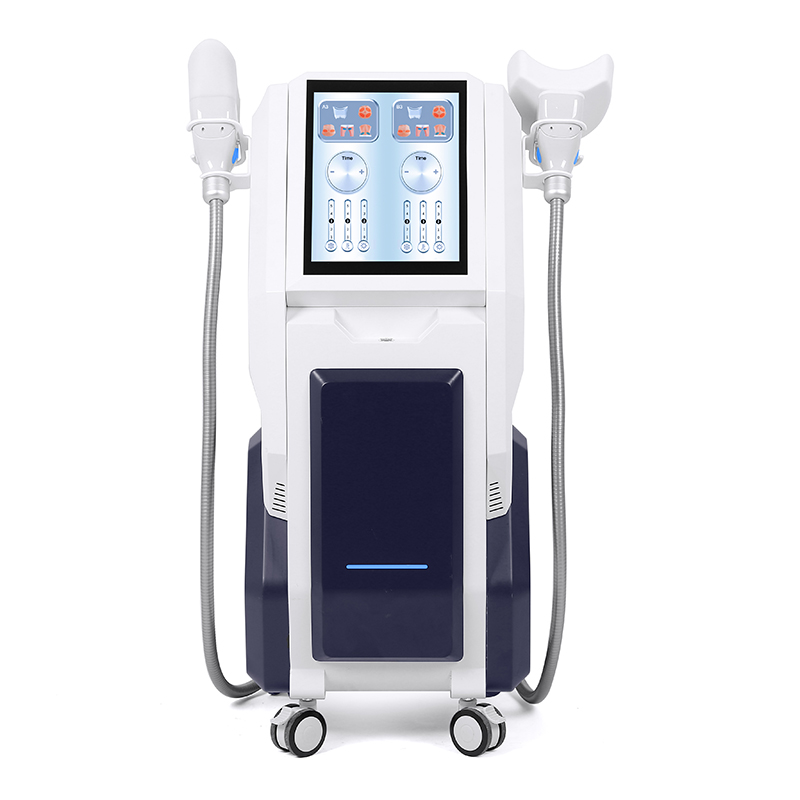
I’m here to offer a 360 Cryolipolysis Machine that blends powerful cooling with even treatment coverage, designed for clinics, med spas, and wellness centers. When OEM collaboration matters, I provide scalable OEM options, firmware customization, and packaging to meet your branding and regulatory needs. I’ve built this system with independent cooling heads and a 360‑degree applicator, delivering uniform lipolysis with minimal downtime for patients and less aftercare for you. For Companies looking to expand service lines, this machine supports multiple applicators and adjustable temperature and cycle settings, so your technicians can tailor treatments to body contour goals. The compact footprint, robust build, and intuitive touchscreen reduce training time and increase throughput. I stand behind reliability, spare parts availability, and responsive tech support. If you’re sourcing with strategic partners or evaluating OEM and manufacturing collaborations, I’ve got you covered. Let’s discuss your volume, certification, and customization needs and get your order moving.



360 Cryolipolysis Machine in 2025 Manufacturers You Can Rely On
360 Cryolipolysis machines are gaining traction in 2025, and global buyers want reliability, safety, and steady supply. Favor a proven cooling system with uniform temperatures, fast cycles, and strong safety features (skin sensors, auto shut-off). Reputable makers publish clinical data and hold certificates (CE, ISO 13485). For procurement, choose partners with scalable production, transparent lead times, and reliable spare parts and service networks worldwide. When evaluating suppliers, request manufacturing records, QC data, and independent validation. Seek flexible terms: OEM/ODM options, software customization, multilingual manuals, and extended warranties. Confirm installation and operator training, maintenance plans, and fast access to parts. Consider total cost of ownership: energy efficiency, consumables, service response, and global support that minimizes downtime. A dependable supplier with clear processes and a global service footprint helps buyers stay confident in 2025 and beyond.
360 Cryolipolysis Machine in 2025 Manufacturers You Can Rely On
| Manufacturer ID | Country | Year Established | Machine Type | Max Coverage (cm²) | Cooling Temp Range (°C) | Treatment Time (min) | Power (kW) | Weight (kg) | Dimensions (L×W×H cm) | Certifications | Warranty (years) | Handpieces | Safety Features |
|---|---|---|---|---|---|---|---|---|---|---|---|---|---|
| ID-001 | United States | 2010 | 360 Cryolipolysis Pro | 320 | -10 to -6 | 40 | 2.5 | 80 | 90×60×140 cm | CE; ISO 13485 | 2 | 2 | Over-temperature protection, Auto shut-off, Skin contact sensor |
| ID-002 | Germany | 2012 | 360 Slim | 300 | -8 to -4 | 35 | 2.2 | 75 | 88×58×135 cm | CE; ISO 13485 | 3 | 1 | Auto safety lock, Contact sensor |
| ID-003 | Japan | 2008 | 360 Ultra | 280 | -10 to -5 | 50 | 2.8 | 78 | 92×62×138 cm | CE; ISO 13485 | 2 | 2 | Overcool protection, Skin contact sensor |
| ID-004 | China | 2015 | 360 Precision | 260 | -12 to -6 | 32 | 2.0 | 70 | 85×50×132 cm | CE; ISO 13485 | 1 | 1 | Auto shut-off; Temperature lock |
| ID-005 | South Korea | 2013 | 360 Pro-Slim | 310 | -9 to -5 | 32 | 2.4 | 72 | 88×60×136 cm | CE; ISO 13485 | 2 | 2 | Real-time tissue resistance monitoring, Auto alarm |
| ID-006 | Italy | 2011 | 360 Plus | 340 | -11 to -7 | 45 | 3.0 | 82 | 95×62×140 cm | CE; ISO 13485 | 3 | 2 | Overpressure; Emergency stop |
Related Products



360 Cryolipolysis Machine Is The Best Trusted by Pros
Top Selling Products


- Related Blog
- Reviews
