

Ultrasound Therapy Physical Therapy Machine for OEM Companies
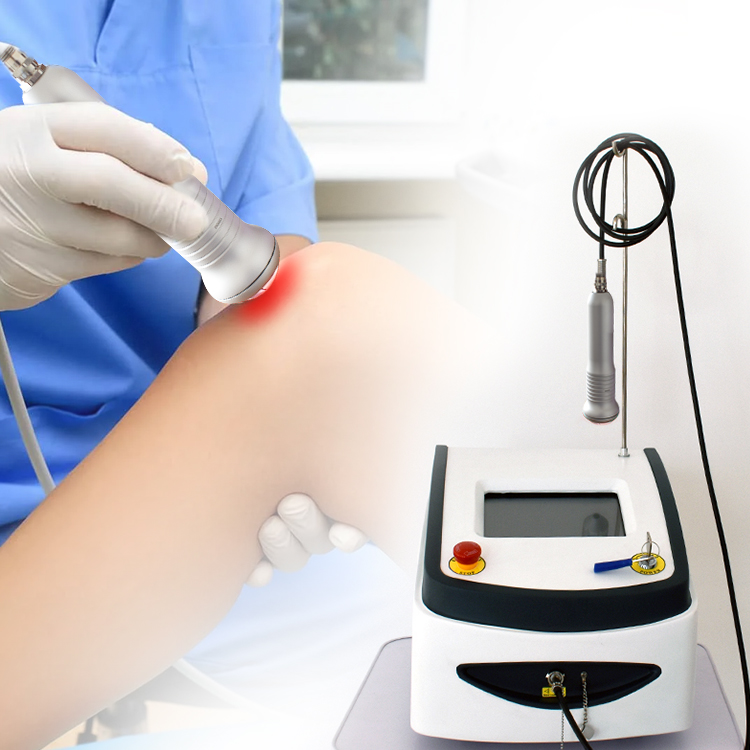
We design and ship Ultrasound Therapy Physical Therapy Machine tailored for OEM partnerships and Companies building robust rehab fleets. I know your procurement teams crave dependable performance, easy integration, and clear value. This unit combines medical-grade ultrasound with versatile settings—1-3 MHz adjustable frequency, continuous and pulsed modes, and energy density up to 2 W/cm2—so you can tailor treatments for musculoskeletal, tendinopathy, and soft-tissue injuries. The compact, ergonomic handpiece, quick-connect transducers, and a simple touch interface minimize training time and downtime. With modular electronics and scalable software, we can support white-labelled branding and firmware customisation to fit your clinics' workflows. Built to meet medical standards, it offers stable operation, durable casing, and reliable uptime in busy clinics. OEM staff and procurement teams often choose this because it reduces equipment clutter while expanding service capabilities. If you’re Companies seeking a trusted partner for high-quality ultrasound therapy, I’m ready to discuss specs, lead times, and volume pricing.
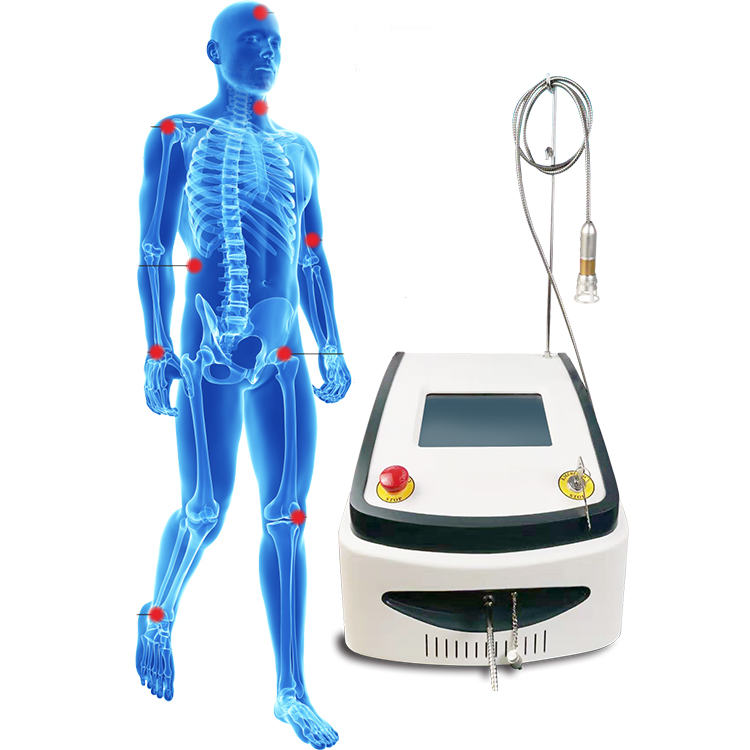

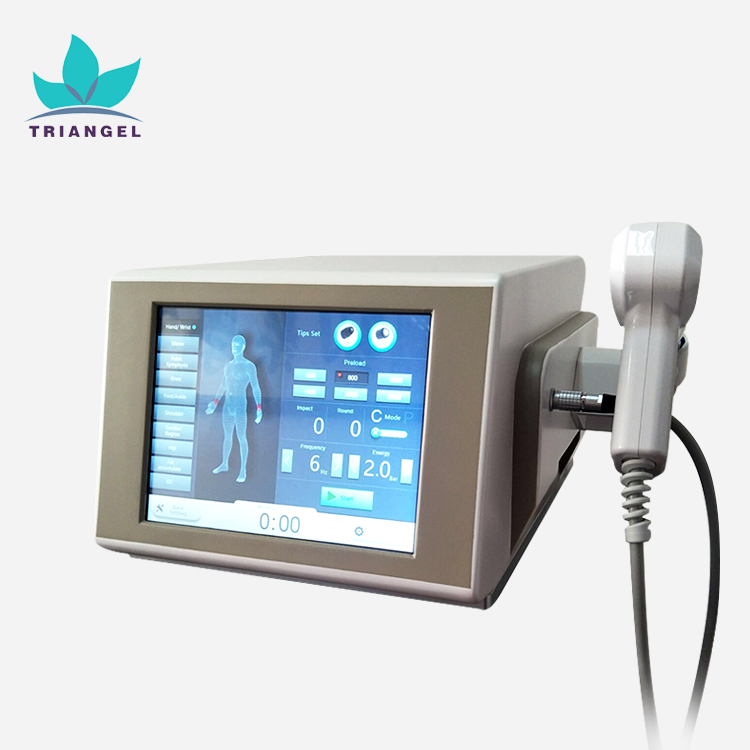
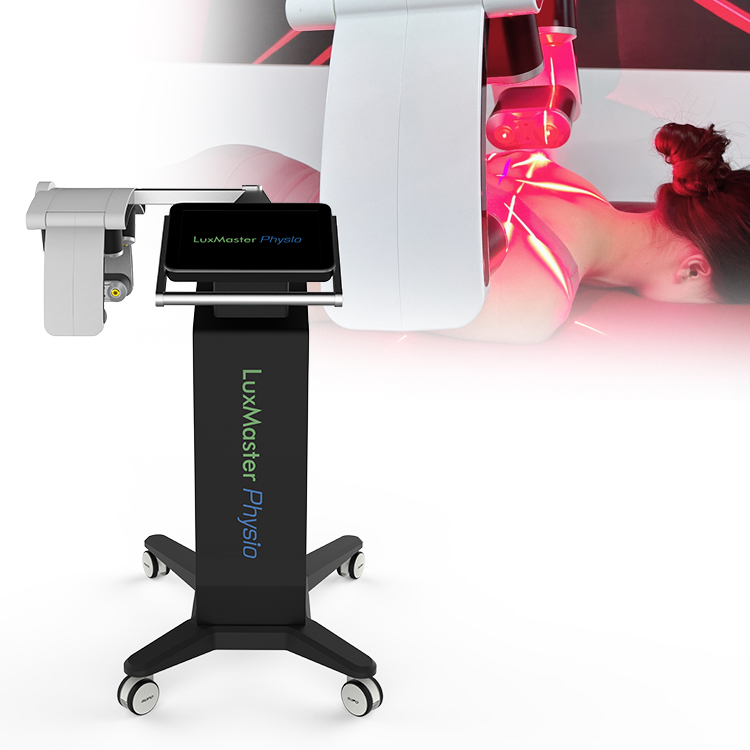

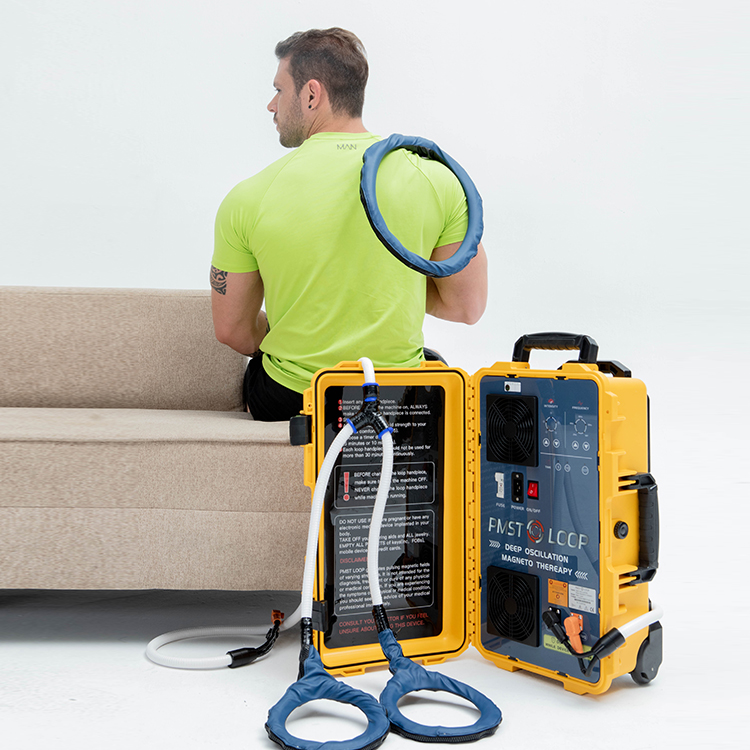
Ultrasound Therapy Physical Therapy Machine Factory Guarantees Peak Performance
For global procurement teams seeking reliable ultrasound therapy equipment for physical therapy clinics, a factory that guarantees peak performance offers more than a device: a proven performance envelope. Precision transducers and modular electronics deliver consistent acoustic output and durable operation under heavy use. Each unit undergoes rigorous validation, including acoustic tests, thermal checks, and software verification, ensuring peak performance from day one. Compliance with international standards and a focus on safety and usability reduce regulatory risk for buyers. Global buyers value predictable supply and full lifecycle support. The facility emphasizes traceable quality, scalable production, and long-term spare parts availability for reliable lead times and minimal downtime. Multilingual interfaces, easy cleaning, and energy-efficient operation boost clinic throughput. Customization of treatment modes and dosing, plus warranty and responsive support, helps buyers maintain peak performance across markets.
| Model Code | Frequency (MHz) | Pulse Mode | Transducer Area (cm2) | Max Output (W) | Intensity (W/cm2) | Treatment Time (min) | Pulse Duration (µs) | Pulse Repetition Rate (Hz) | Cooling | Dimensions (L × W × H cm) | Weight (kg) | Certifications |
|---|---|---|---|---|---|---|---|---|---|---|---|---|
| US-PT-A1 | 1.0 | Pulsed | 5.0 | 10 | 0.80 | 5-15 | 200 | 80 | Water-cooled | 40 × 22 × 35 | 4.5 | CE, ISO 13485 |
| US-PT-A2 | 3.0 | Pulsed | 4.0 | 12 | 1.00 | 5-10 | 150 | 60 | None | 42 × 24 × 36 | 5.2 | CE |
| US-PT-B1 | 1.0 | Continuous | 3.5 | 8 | 0.90 | 8-20 | N/A | N/A | Air-cooled | 38 × 21 × 34 | 4.6 | CE, FDA |
| US-PT-C1 | 0.75 | Pulsed | 6.0 | 14 | 1.20 | 6-20 | 180 | 100 | Water-cooled | 45 × 26 × 37 | 6.0 | CE, ISO 13485, RoHS |
| US-PT-D1 | 1.0 | Pulsed | 5.5 | 9 | 0.95 | 4-12 | 250 | 70 | None | 39 × 23 × 33 | 4.8 | CE |
Related Products

Ultrasound Therapy Physical Therapy Machine Now Trending From Concept to Delivery
Top Selling Products


- Related Blog
- Reviews
