

Shockwave Tecar Machine with CE Certification | Explore Our Products
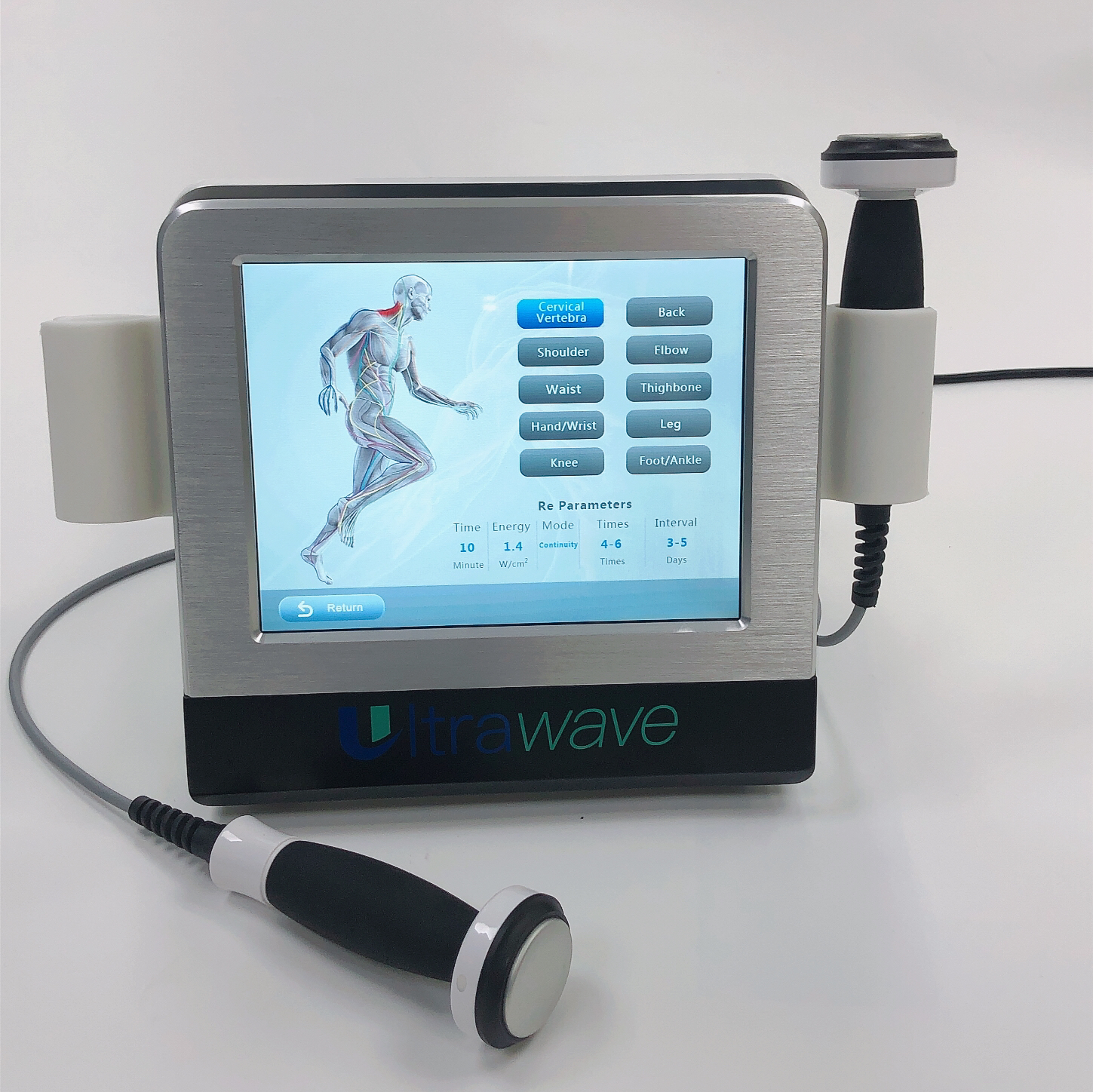
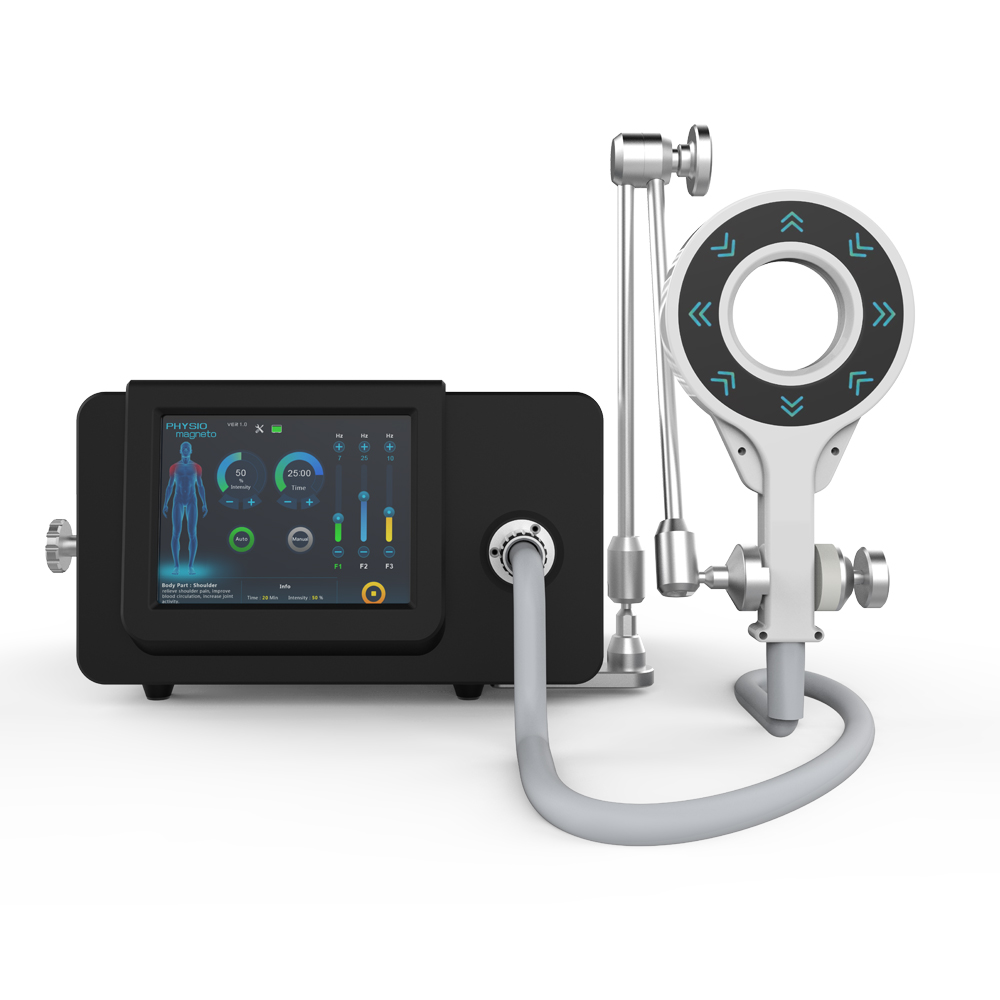
With the Shockwave Tecar Machine, I deliver advanced energy-based therapy that therapists and clinics trust for quick recovery, reduced pain, and faster rehab. Our device blends radial shockwave energy with Tecar technology to energize tissue and stimulate natural healing. I designed it with clinic workflows in mind: intuitive touch-screen controls, multiple preset protocols, and seamless treatment modes that fit into busy days. It’s built to last, backed by CE Certification compliance and rigorous safety testing, so you can claim reliability in your patient care and in your procurement. As a buyer, you’ll value its compact footprint, low maintenance, and robust after-sales support. Our Products portfolio is scalable, with spare parts ready and service from trained technicians. I offer competitive pricing and volume discounts for hospitals, rehab centers, and therapy practices, plus installation training and ongoing performance audits. Choosing this Shockwave Tecar Machine helps you differentiate your clinic, attract more patients, and improve outcomes with scientific technique and proven results.



Shockwave Tecar Machine Now Trending Factory-Direct Excellence
Global procurement teams are increasingly targeting Shockwave Tecar systems that blend extracorporeal shockwave therapy with Tecar energy. This dual modality supports deeper tissue stimulation, faster recovery, and versatile protocols for orthopedics, sports medicine, and physical therapy. Factory-direct sourcing gives buyers direct access to the latest models, consistent specifications, shorter lead times, and transparent pricing, avoiding intermediary markups while enabling scalable rollouts across clinics and distributors. When evaluating suppliers, look for certified devices, robust safety features, comprehensive training, and reliable after‑sales support. Key advantages of a factory-direct partner include standardized QA, readily available spare parts, flexible customization, multi-language technical help, and predictable shipments. With these, global buyers can optimize budgets, ensure compliance, and accelerate market entry while delivering consistent patient outcomes.
{ Shockwave Tecar Machine Now Trending Factory-Direct Excellence}
| Parameter | Description | Typical Value | Unit | Notes |
|---|---|---|---|---|
| Therapeutic Modality | Energy delivery method used in TECAR therapy | Capacitive and Resistive | N/A | Baselines for tissue heating and stimulation |
| Operating Frequency | RF frequency range for energy transmission | 300-1000 | kHz | Corresponds to ~0.3-1.0 MHz |
| Maximum Power Output | Peak energy delivered per session to tissue | 150-350 | W | Depends on electrode configuration |
| Treatment Duration per Session | Typical clinical session length | 6-20 | minutes | Protocols vary by condition |
| Electrode Configurations Included | Types of handpieces and their configurations | 2 capacitive, 2 resistive | types | Sizes may vary by model |
| Regulatory Certification | Safety and compliance marks | CE, IEC 60601-1 | N/A | Indicates essential safety standards compliance |
| Weight and Portability | Device weight and portability for clinic use | 8-12 | kg | Portable design for room-to-room use |
| Operating Temperature Range | Ambient conditions for operation | 10-40 | °C | Thermal management ensures safe operation |
| Warranty Period | Manufacturer warranty coverage | 2-3 | years | Typical service and replacement coverage |
| Maintenance Interval | Recommended routine maintenance schedule | 12 | months | Includes calibration checks and safety tests |
Related Products


Shockwave Tecar Machine Manufacturer Dominates
Top Selling Products


- Related Blog
- Reviews
