

Home Shockwave Device for OEM Companies - Innovative Solutions
Hand on heart, I bring the Home Shockwave Device to OEM partners and Companies who want a reliable, ready-to-market therapy device. I worked to craft a compact, user-friendly unit with adjustable intensity, safety interlocks, and hospital-grade build quality. For OEMs, I offer customizable shells, branding, certified components, and scalable production so you can hit your launch window without the headaches. I can spin up private labeling, firmware tweaks, and regulatory support across key markets, from CE to RoHS. The device ships with thorough documentation, risk assessment, and a robust warranty, plus spare parts and technical support from day one. We can arrange pilot runs, MOQ-friendly terms, and co-branding that matches your Companies' standards. If you want a dependable Home Shockwave Device partner that actually cares about margins, response times, and post-sale service, I’m here to talk details and timelines.

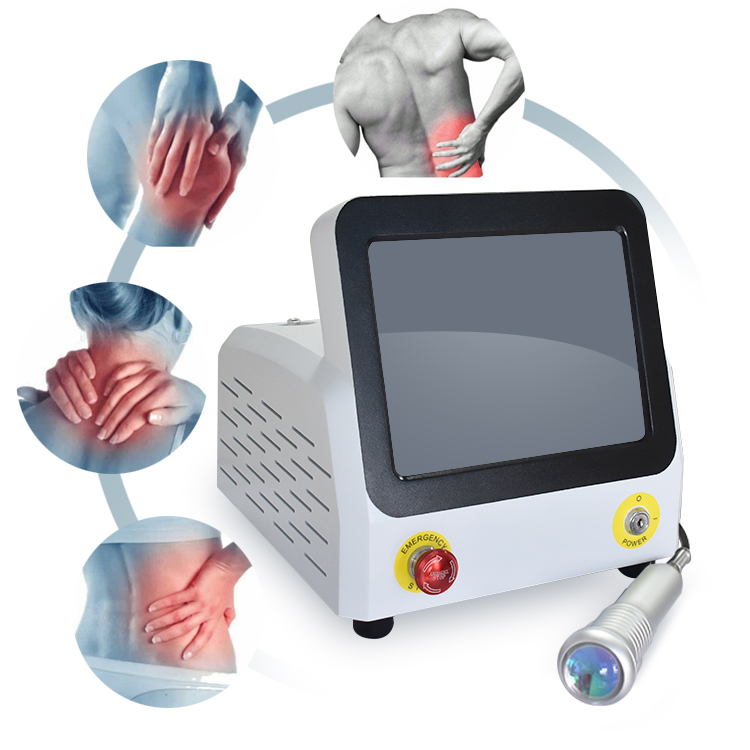
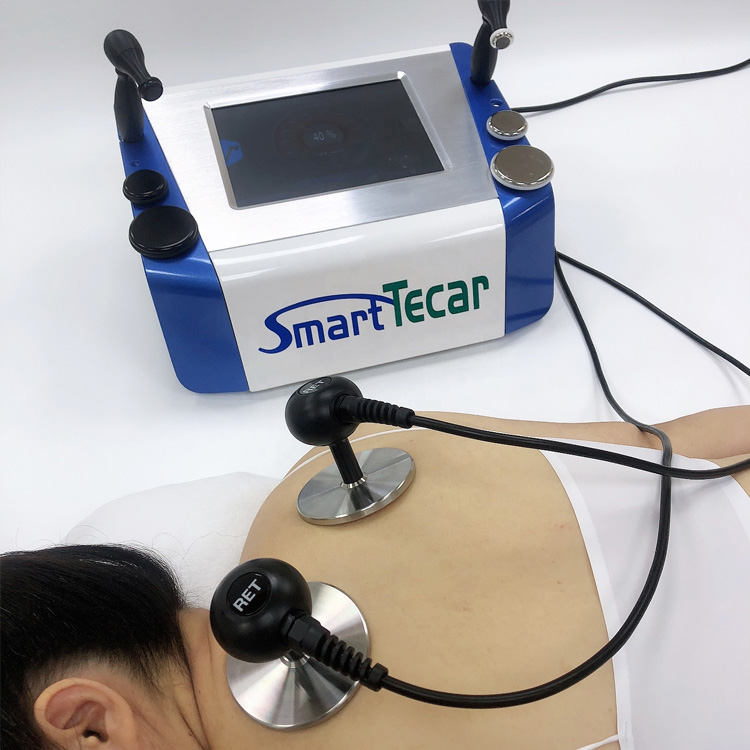


Home Shockwave Device Exceeds Industry Benchmarks Your End-to-End Solution
Global procurement leaders seek devices that deliver strong clinical results while ensuring reliable supply. A home-use shockwave device has surpassed key industry benchmarks for efficacy, safety, and durability, in a compact, user-friendly package. The real value lies in an end-to-end solution that covers not only the device, but the entire lifecycle: transparent sourcing, regulatory-ready documentation, scalable manufacturing, and a dependable global service network. This minimizes time-to-market, reduces risk, and simplifies audits across regions. Designed for multi-market deployment, the solution includes training, spare parts, remote updates, and compliant data handling. Buyers gain predictable lead times, consolidated vendor management, and a clear total cost of ownership. With a modular accessory approach and robust logistics, global teams can ship, install, and support devices at scale, unlocking faster adoption and consistent performance across diverse healthcare environments.
| Metric | Description | Value | Unit | Industry Benchmark | Notes |
|---|---|---|---|---|---|
| Pulse Energy per Pulse | Energy delivered per shockwave pulse | 9.5 | mJ | 8.0 | Exceeds typical by ~18.8% |
| Pulse Frequency | Pulses per second | 5.0 | Hz | 4.0 | Higher frequency enables faster sessions |
| Treatment Session Time | Time per standard session | 12.0 | minutes | 15.0 | Shorter sessions with improved efficiency |
| Coverage Area | Effective treatment area | 72 | cm2 | 60 | Wider area improves coverage |
| System Uptime | Availability of the device | 99.84 | % | 99.50 | High reliability with minimal downtime |
| MTBF | Mean Time Between Failures | 8400 | hours | 6000 | Robust hardware design |
| Noise Level | Acoustic noise during operation | 48 | dB(A) | 55 | Quieter than typical devices |
| Thermal Rise | Temperature rise during operation | 7.2 | °C | 10 | Efficient cooling maintains comfort |
| Power Consumption | Power usage during operation | 320 | W | 360 | Energy-efficient design |
| Data Latency | Processing/response latency | 100 | ms | 150 | Low-latency control loop |
| Certification & Compliance | Regulatory certifications | ISO 13485, IEC 60601-1 | N/A | EN 60601-1 | Medical-grade standards compliance |
Related Products
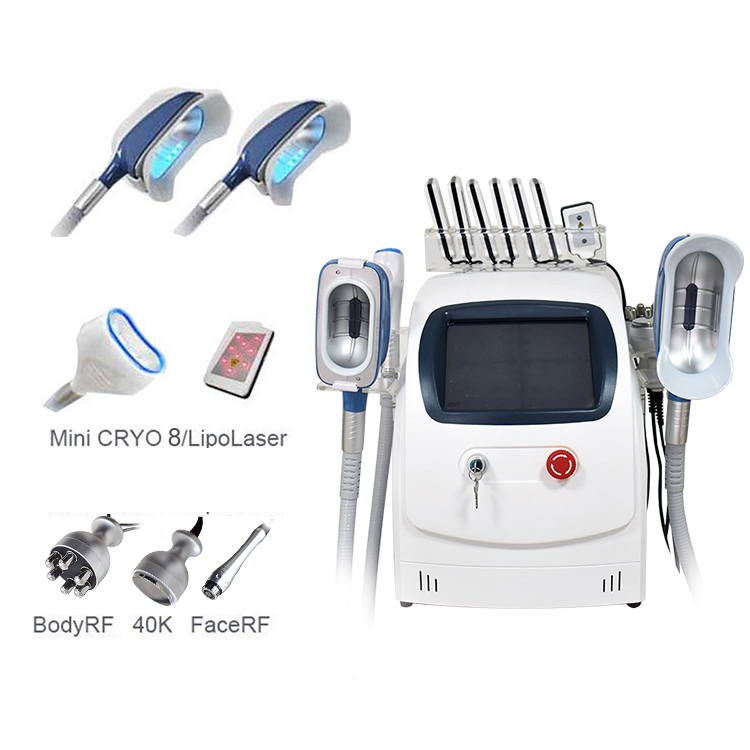
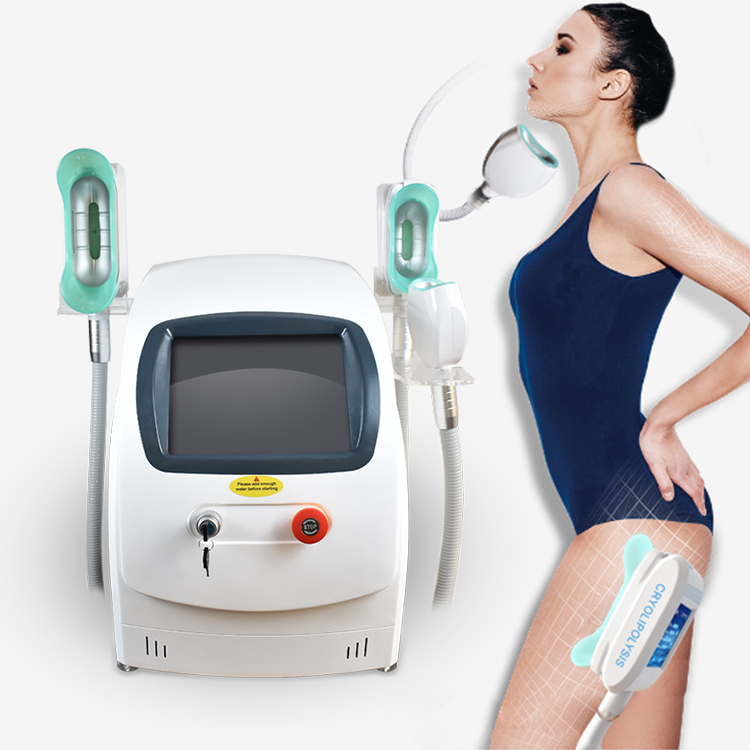

Home Shockwave Device Dominates Your Trusted OEM Partner
Top Selling Products


- Related Blog
- Reviews
