

High Quality Cryolipolysis CE Certification Products
Within the field of aesthetic medicine, I stand behind High Quality Cryolipolysis equipment that clinics can trust for consistent results. Our system delivers controlled cooling, intelligent autos, and safe fat reduction, with repeatable outcomes that help patients and clinics alike. Each unit carries CE Certification, underscoring compliance with European safety standards and quality controls. I focus on ease of operation, short treatment times, and straightforward maintenance so your staff can handle busy schedules without downtime. For buyers looking at long-term value, the robust build and reliable spare parts supply guarantee minimal interrupt in services. I also provide clear documentation, warranty terms, and a transparent approach to servicing and calibration. When you review our Products, you’ll see how modular accessories meet different body areas and patient needs, while keeping costs predictable. Let’s discuss yours clinic goals and how we can align the solution to your treatment protocols.
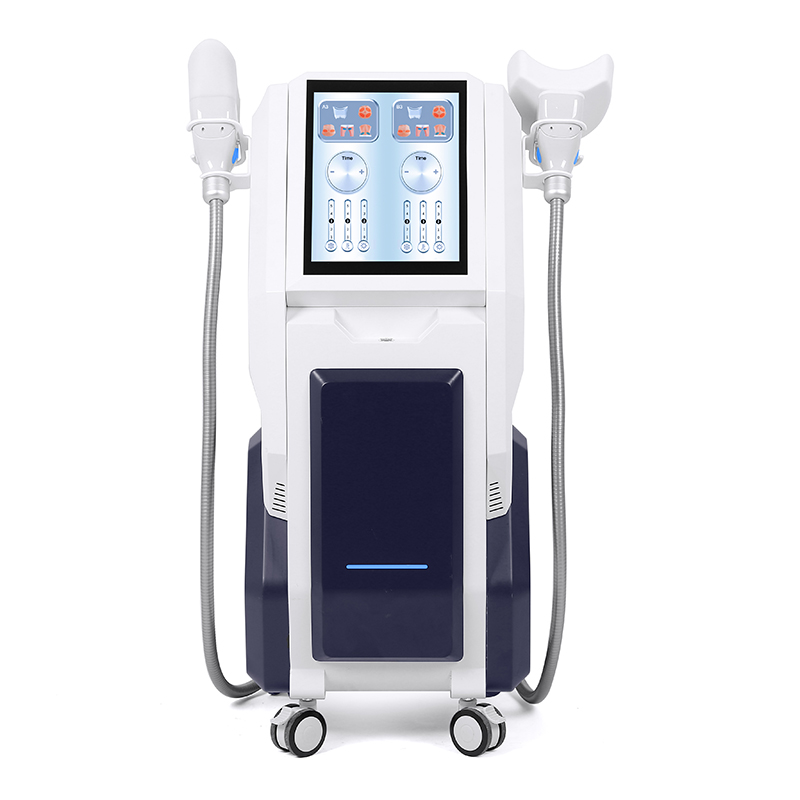
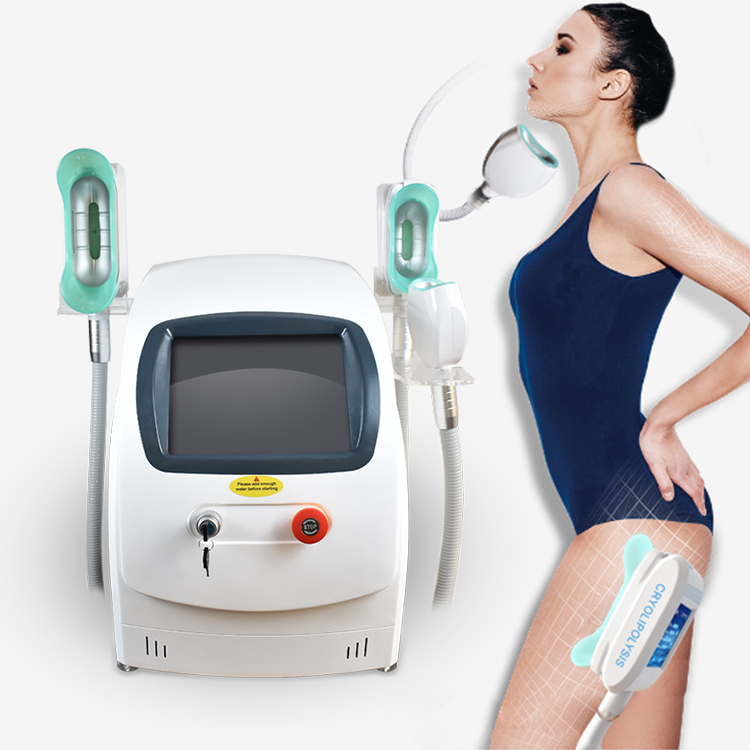


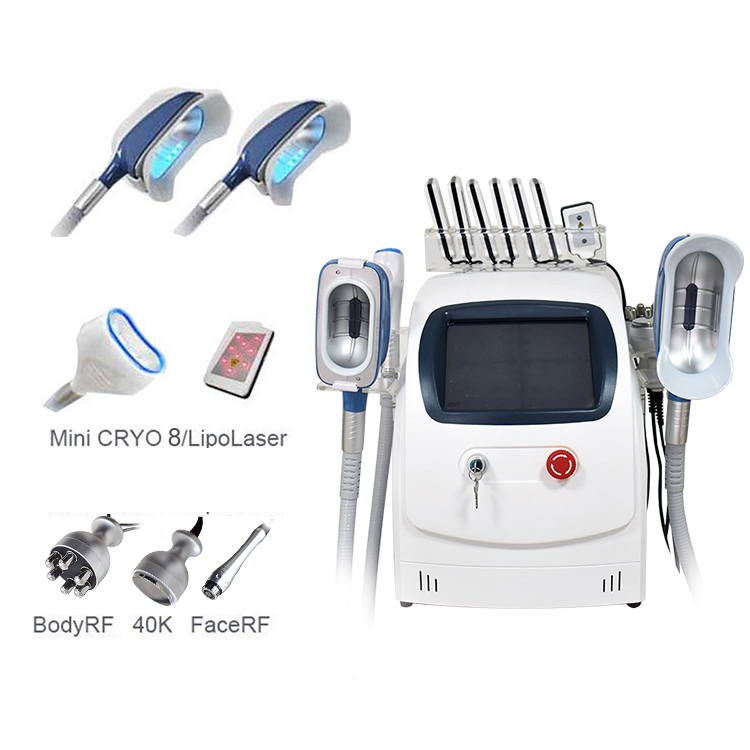
High Quality Cryolipolysis Sets the Industry Standard Manufacturers You Can Rely On
As global buyers pursue safe, effective fat reduction with predictable outcomes, high quality cryolipolysis devices set the industry standard. Precision cooling with uniform temperature control, versatile applicator options, and smooth, patient-friendly cycles deliver consistent results across body areas. Built-in safety features, real-time monitoring, and compliance with international standards (CE, ISO 13485, RoHS) help clinics operate confidently and minimize risk in busy schedules. For procurement teams, the value goes beyond technical performance. A reliable partner offers scalable configurations, long-term spare parts availability, comprehensive training, and responsive after-sales service. Transparent pricing, extended warranties, and global support networks reduce ownership risk and downtime. With rigorous QA, traceability, and ongoing product improvement, these solutions help clinics expand patient access while maintaining high safety and satisfaction.
| Model | Cooling Technology | Temperature Range (°C) | Treatment Time (min) | Number of Applicators | Max Area per Session (cm²) | Energy Source | Cooling Rate (°C/min) | Safety Features | FDA Clearance | CE Certification | Weight (kg) | Power (V/Hz) | Warranty (years) |
|---|---|---|---|---|---|---|---|---|---|---|---|---|---|
| C-SET-01 | Peltier-based contact cooling | -6 to -12 °C | 25 | 1 | 40 | Electrical | 0.8 | Skin thermistor; automatic shutoff; impedance monitoring | Yes | Yes | 28 | 230 V, 50 Hz | 2 |
| C-SET-02 | Multi-head cryo with independent applicators | -5 to -12 °C | 25-60 | 2 | 80 | Electrical | 1.0 | Skin thermistor; auto pause; real-time cooling control | Yes | Yes | 50 | 230 V, 50 Hz | 2 |
| C-SET-03 | Peltier-based with dual-zone control | -6 to -11 °C | 30 | 1 | 60 | Electrical | 0.6 | Skin thermistor; patient safety timer; auto-stop | Yes | Yes | 32 | 220-240 V, 50-60 Hz | 3 |
| C-SET-04 | Adaptive cooling with 4 applicators | -4 to -10 °C | 20-45 | 4 | 120 | Electrical | 1.2 | Software-based torque sensors; skin contact sensor | Yes | Yes | 75 | 220 V, 50 Hz | 2 |
| C-SET-05 | PTC-based contact cooling | -5 to -11 °C | 28 | 2 | 70 | Electrical | 0.9 | Automatic shutoff; alarm system | Yes | Yes | 40 | 230 V, 60 Hz | 1 |
| C-SET-06 | Single-head compact unit | -6 to -12 °C | 20-40 | 1 | 35 | Electrical | 0.75 | Skin thermistor; pressure sensors | Yes | Yes | 22 | 115 V, 60 Hz | 2 |
Related Products


High Quality Cryolipolysis Service Industry Leaders
Top Selling Products
- Related Blog
- Reviews
