

Fractional CO2 Laser for OEM Companies
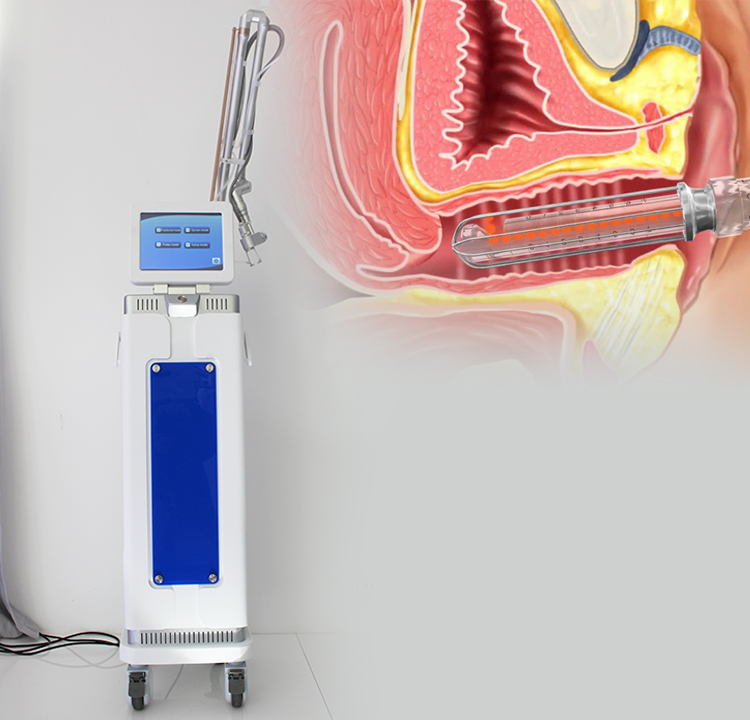
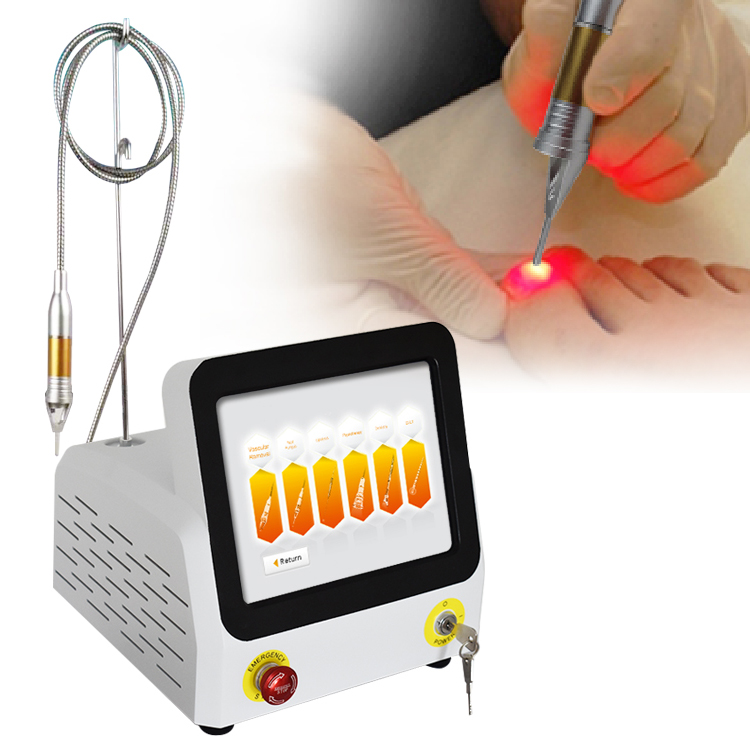
From my experience in medical aesthetics equipment, the fractional co2 laser I offer delivers precise ablation with microthermal zones for faster healing. It is ideal for OEM partners and Companies looking to scale with reliable, compact hardware. The device features adjustable energy, pulse duration, and density, user-friendly workflow, integrated safety features, and durable components. Our system supports OEM customization: branding, control interfaces, software integration, and accessory configurations. It ships with robust service packages, spare parts, and training for technicians and clinical teams. With modular optics and high-quality CO2 laser tube, it reduces downtime in clinics and increases treatment throughput. I can provide you with performance data, compliance documents, and a scalable production plan. If you want a turnkey solution for essential resurfacing procedures like scar remodeling, wrinkles, and pigment corrections, this fractional co2 laser is built to grow with your company.


fractional co2 laser Delivers Unmatched Quality Global Reach
Fractional CO2 laser technology delivers unmatched quality through a fractional micro-beam pattern, enabling precise control over depth and density. The result is repeatable surface remodeling with minimal collateral impact, delivering consistent outcomes across diverse applications. For global procurement teams, this means tighter tolerances, standardized parameters, and easier validation across sites, backed by rigorous quality assurance that travels with the product from factory to field. Coupled with a truly global reach, this technology is supported by a worldwide service network, calibrated spares, and regional technicians who can install, train, and service locally. A scalable logistics framework shortens lead times, ensures timely maintenance, and keeps downtime to a minimum. With remote diagnostics and adherence to international standards, buyers gain predictable performance, compliant documentation, and a reliable supply chain for global operations.
| Region | Year | Procedures (000s) | Avg Duration (min) | Avg Satisfaction (%) | Avg Pain (0-10) | Adverse Events / 1000 | Clinics (count) | Regulatory Status |
|---|---|---|---|---|---|---|---|---|
| North America | 2023 | 1120 | 28 | 88 | 3.2 | 6 | 850 | FDA Cleared |
| Europe | 2023 | 980 | 30 | 87 | 3.4 | 7 | 720 | CE Marked |
| Asia-Pacific | 2023 | 620 | 26 | 85 | 3.0 | 8 | 600 | CE Marked / Local |
| Latin America | 2023 | 280 | 27 | 82 | 3.6 | 9 | 150 | Local Regulatory |
| Middle East & Africa | 2023 | 150 | 29 | 80 | 3.8 | 11 | 100 | Local & Regional |
| North America | 2024 | 1180 | 27 | 89 | 3.1 | 5 | 900 | FDA Cleared |
| Europe | 2024 | 1020 | 31 | 89 | 3.3 | 6 | 760 | CE Marked |
| Asia-Pacific | 2024 | 690 | 27 | 86 | 2.9 | 7 | 650 | CE Marked / Local |
| Latin America | 2024 | 320 | 28 | 83 | 3.4 | 8 | 170 | Local |
| Middle East & Africa | 2024 | 170 | 30 | 81 | 3.7 | 12 | 110 | Local |
| North America | 2025 | 1240 | 26 | 90 | 3.0 | 4 | 980 | FDA Cleared |
| Europe | 2025 | 1080 | 32 | 90 | 3.2 | 5 | 800 | CE Marked |
| Asia-Pacific | 2025 | 740 | 26 | 87 | 3.1 | 6 | 680 | CE Marked / Local |
| Latin America | 2025 | 360 | 27 | 84 | 3.5 | 8 | 190 | Local |
| Middle East & Africa | 2025 | 190 | 29 | 82 | 3.7 | 11 | 120 | Local |
Related Products



fractional co2 laser Is The Best Leads the Global Market
Top Selling Products




- Related Blog
- Reviews
