

Class Iv Laser Therapy - High-Quality Company Solutions
From my lab to your clinic, I deliver Class Iv Laser Therapy designed for fast tissue repair and pain relief. As a buyer-minded partner, I know you search for High-Quality devices that integrate seamlessly with your workflow. My system offers adjustable power, multiple wavelengths, and real-time dosimetry, enabling precise treatments for musculoskeletal injuries, post-op recovery, and soft-tissue healing. Setup is simple, service is responsive, and warranties are clear, so your team can train quickly and stay compliant. In our package, you’ll find ergonomic handpieces, safety interlocks, and remote diagnostics, all backed by a Company that values uptime and outcomes. I tailor support to hospital, clinic, or med-spa buyers, providing on-site onboarding and virtual coaching. With proven clinical results and a cost-effective maintenance plan, this Class Iv Laser Therapy is a smart investment for expanding patient throughput and elevating care standards.
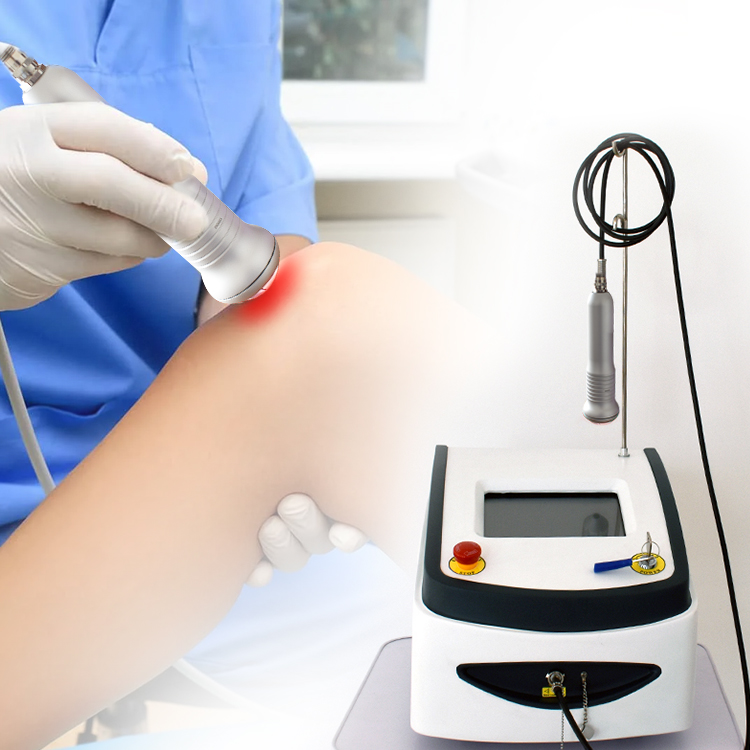
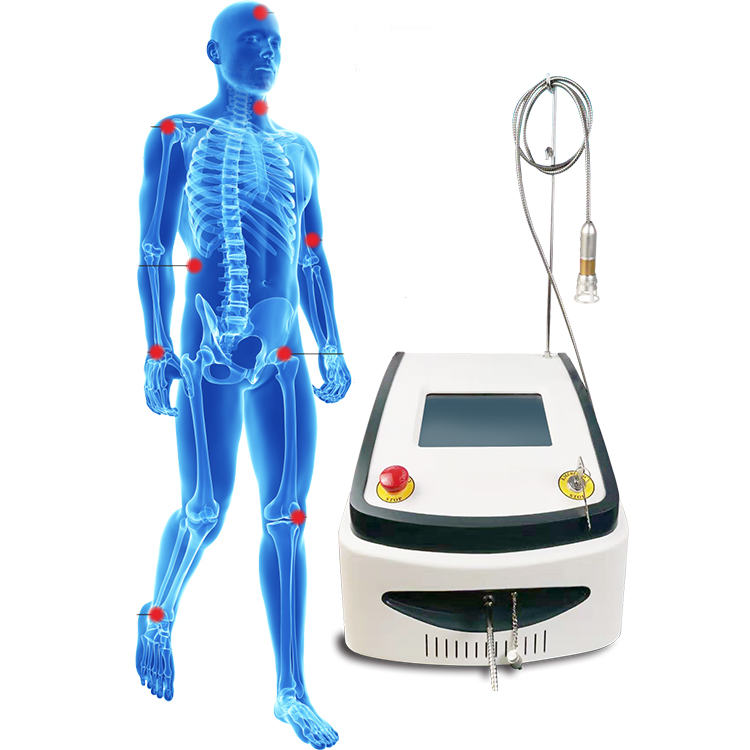
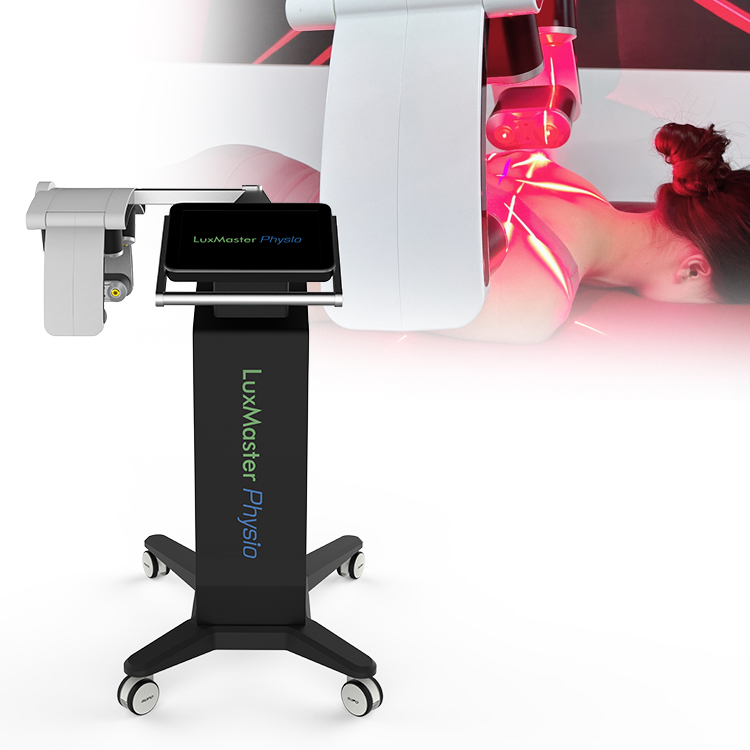


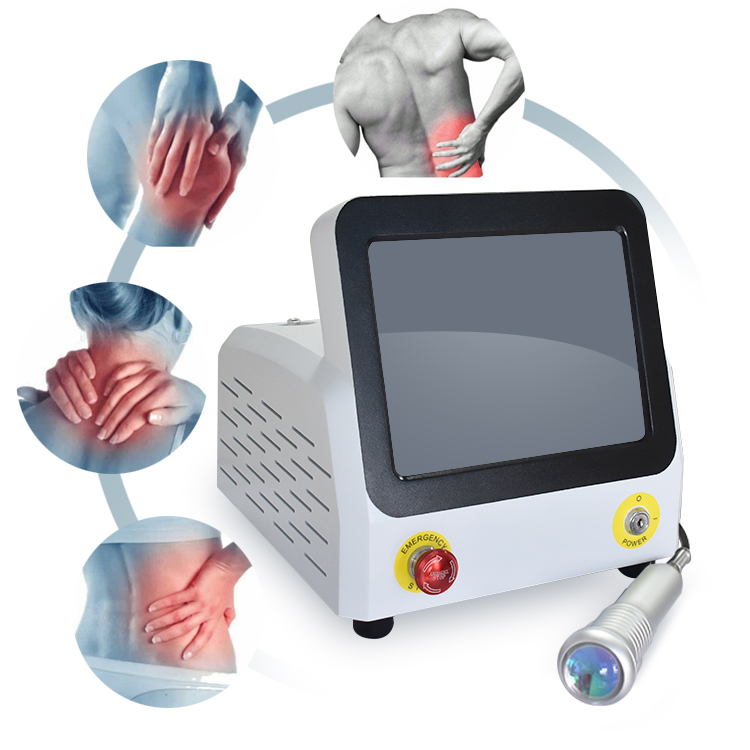
Class Iv Laser Therapy Application Guarantees Peak Performance
Class IV laser therapy is trusted for rapid pain relief, tissue repair, and anti-inflammatory effects across clinics and rehabilitation centers. For procurement teams, peak performance means stable output, precise dosing, and reliable safety features in daily use. Our approach combines high-efficiency diode arrays, advanced cooling, and rigorous calibration to keep delivery consistent, even after thousands of cycles. Independent testing and adherence to international device standards give buyers confidence that performance remains within specification over the device’s lifecycle. From sourcing to service, the value is a reliable supply chain and comprehensive after-sales support. The system is designed for easy integration, scalable production, and predictable lead times, with spare parts and service available worldwide. Ongoing monitoring, software updates, and documented calibration data empower facility managers to sustain peak performance, maximize uptime, and protect investment. Global buyers can confidently select this Class IV solution, backed by rigorous QA and sustained field support.
| Parameter | Description | Typical Range / Value | Unit | Notes |
|---|---|---|---|---|
| Wavelength Range | Primary wavelengths emitted for tissue penetration and photobiomodulation | 600-1100 | nm | Device-specific options; common choices include 660 nm and 905-1064 nm |
| Peak Power Output | Maximum instantaneous emission power | 0.5-12 | W | Pulsed or continuous, depending on protocol |
| Energy Density | Delivered energy density to treatment area | 1-8 | J/cm2 | Common therapeutic window; adjust per tissue type |
| Treatment Time per Session | Total session duration | 5-30 | minutes | Depends on area size and protocol |
| Treated Area per Session | Total area treated in one session | 5-200 | cm2 | Larger areas may be subdivided into spots |
| Treatment Frequency per Week | Sessions per week | 2-3 | times/week | Adjusted for acute vs chronic conditions |
| Course Length | Total number of sessions in a course | 6-18 | sessions | Typical clinical course spans 2-6 weeks |
| Pain Reduction (VAS) | Average reduction in pain score | 1.5-3.5 | points | 0-10 Visual Analog Scale (VAS); depends on baseline pain |
| Functional Improvement | Functional score improvement (ROM, mobility, or activity scales) | 10-40 | percent | Estimated improvement across musculoskeletal conditions |
| Wound Healing Time Reduction | Reduction in healing time for wounds | 5-14 | days | Varies with wound type and severity |
| Safety Precautions | Key safety practices and exposure guidelines | Always required; device-specific rules apply | - | Eye protection; avoid direct exposure to sensitive areas; follow protocol |
| Common Contraindications | Conditions or scenarios where therapy is not advised | Pregnancy near treated area; active malignancy near treatment; photosensitive disorders | - | Consult clinician if unsure; tailor to patient history |
Related Products
Class Iv Laser Therapy Delivers Unmatched Quality Custom Solutions,
Top Selling Products

- Related Blog
- Reviews
