

Body Shaping Vacuum Cavitation Slim Machine | ODM Product
I bring you the {Body Shaping Vacuum Cavitation Slim Machine}—a reliable choice for clinics seeking efficient non-invasive contouring. We designed it for fat reduction, cellulite smoothing, and body shaping through vacuum cavitation with RF synergy. With adjustable suction levels, multi-frequency cavitation, and integrated cooling, you’ll see stable results with less downtime. I offer ODM capabilities and flexible customization on the product line, including branding, control interface, and packaging—so you can launch your own branded solution quickly. This unit is built with durable materials, easy maintenance, and a service-friendly spare part supply that keeps downtime to minimum. We provide training, technical support, and after-sales assistance to ensure your team can operate confidently and sell the product. If you’re seeking a dependable partner to expand your aesthetic device catalog, this machine fits your Product strategy and market demand.


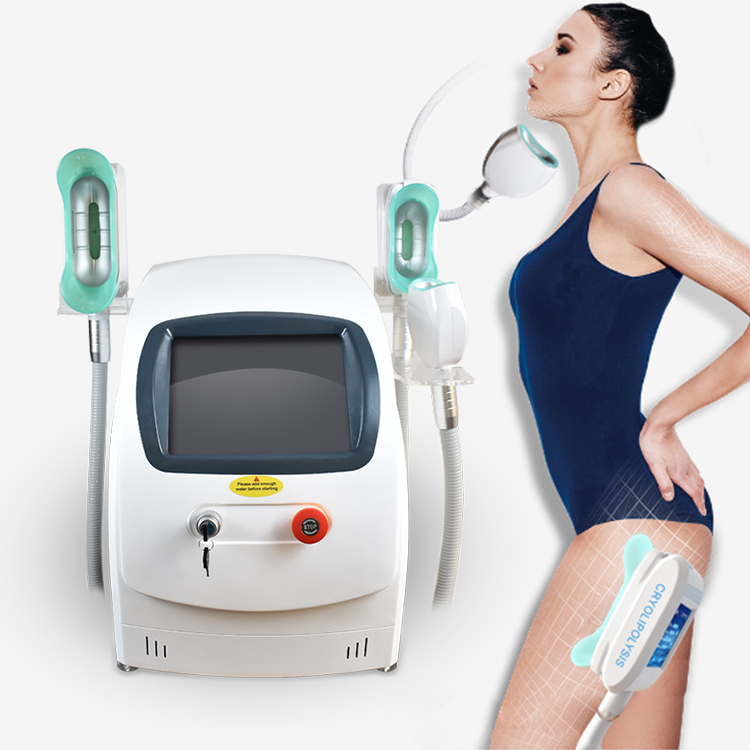

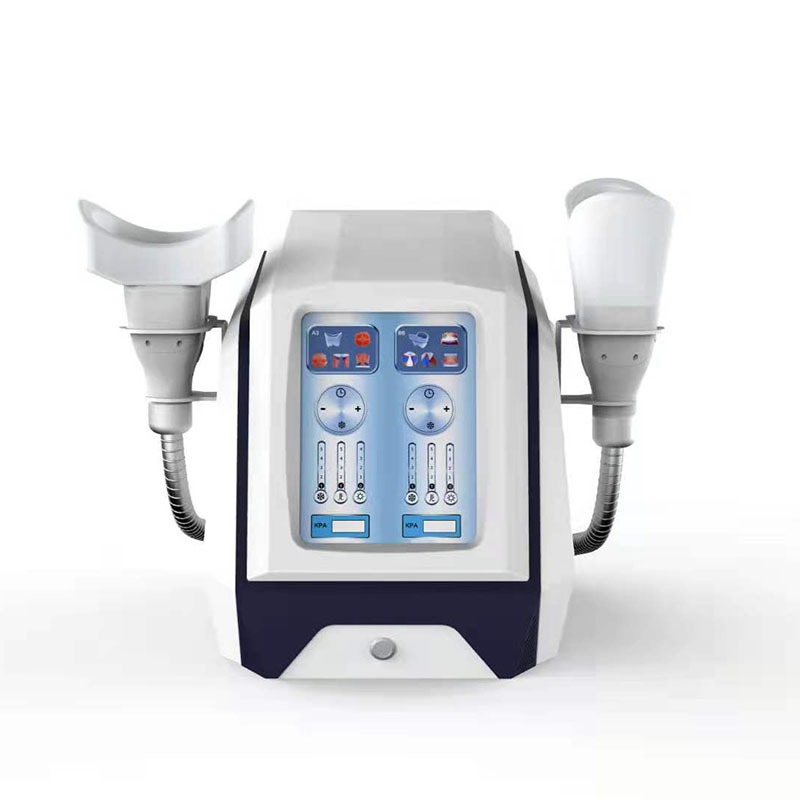

Body Shaping Vacuum Cavitation Slim Machine Is The Best Stands Out
Global clinics and medical spas seeking reliable body contouring solutions will notice how a vacuum cavitation body contouring device stands out for safety and efficiency. It blends vacuum-assisted cavitation with precise energy control to deliver consistent fat disruption and smoother contours in shorter sessions. The system offers versatile treatment heads, adaptable protocols for different areas, a user-friendly LCD interface, and built-in safety safeguards that uphold patient comfort. Engineered for high-volume use, it supports quick cleaning, easy maintenance, multi-voltage operation, and a robust after-sales program with readily available spare parts and ongoing firmware updates—a compelling choice for international procurement.
Body Shaping Vacuum Cavitation Slim Machine Is The Best Stands Out
| Model | Cavitation Frequency (kHz) | Vacuum Range (kPa) | RF Frequency (MHz) | Ultrasound Frequency (MHz) | Power (W) | Treatment Heads | Dimensions (L x W x H cm) | Weight (kg) | Battery | Operating Modes | Safety Certifications | Typical Session (min) | Notes |
|---|---|---|---|---|---|---|---|---|---|---|---|---|---|
| Model A1 | 40 | 0–60 | 1.5 | 3.0 | 60 | Cavitation head; Vacuum suction; RF head; Ultrasonic head | 34 x 26 x 12 | 6.4 | No | Manual & Auto; adjustable session duration | CE; RoHS | 25–40 | Suitable for body shaping; easy to sanitize |
| Model A2 | 40 | 0–70 | 1.8 | 3.5 | 75 | Cavitation head; Vacuum suction; RF head; Ultrasonic head | 36 x 27 x 12.5 | 6.8 | No | Auto-shape; Manual | CE; RoHS; FCC | 30–45 | Enhanced vacuum, higher RF power for faster results |
| Model B1 | 40 | 0–65 | 2.0 | 1.0 | 90 | Cavitation head; Vacuum suction; RF head; Ultrasonic head | 38 x 28 x 13 | 7.3 | No | Auto & Manual | CE; RoHS; ISO 13485 | 20–35 | Balanced performance for larger areas; robust build |
Related Products
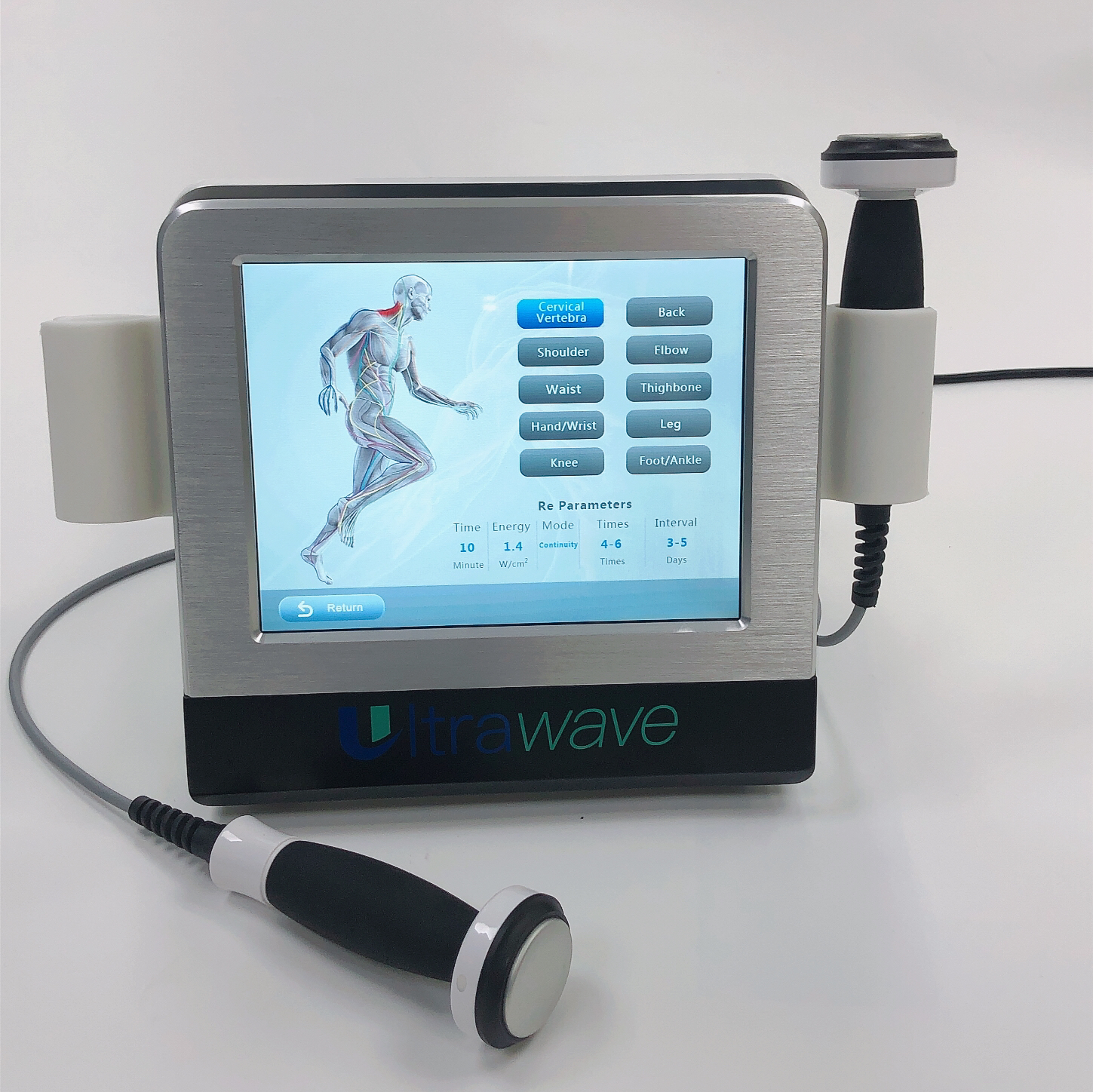
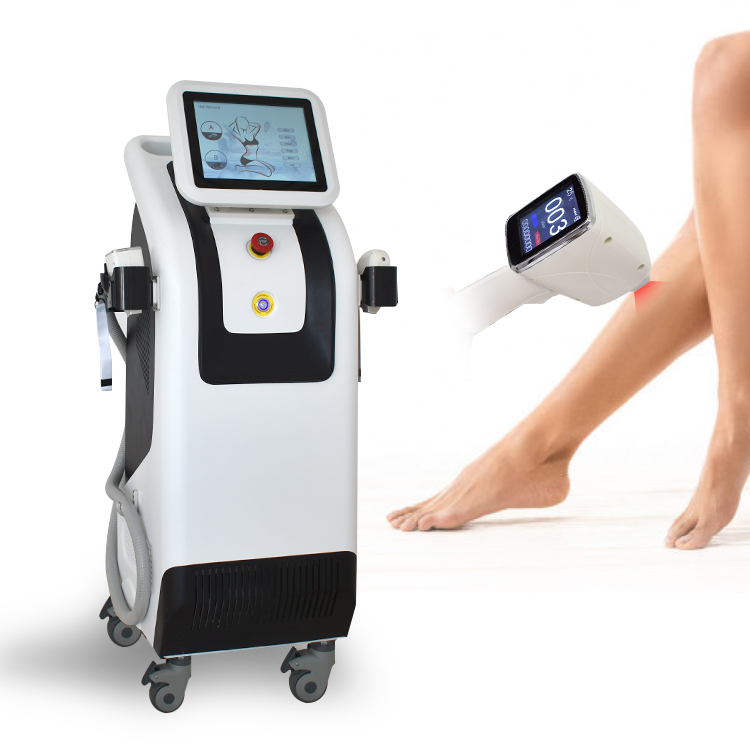
Body Shaping Vacuum Cavitation Slim Machine Supplies the World\u2019s Top Brands Service Backed by Expertise
Top Selling Products


- Related Blog
- Reviews
