

High-Quality Therapy Machine Physical Traction - Trusted Company
From the moment I present this Therapy Machine Physical Traction, clinics see a reliable solution for spinal decompression and rehab. It offers precise adjustable traction, rapid setup, and therapist-friendly controls, all designed for busy practice rooms. I insist on High-Quality components and meticulous manufacturing so it withstands daily use in high-volume clinics. We ship with comprehensive training, easy maintenance, and a robust warranty—because our Company believes uptime is patient care. The machine integrates safely with standard tables and patient harnesses, with auto-lock safety features and soft-start programs to protect both patients and staff. For B2B buyers, we offer flexible purchase terms, bundle options, and scalable configurations to suit small clinics or multi-site networks. Choosing this Therapy Machine Physical Traction means fewer service calls, more consistent outcomes, and a better return on investment.
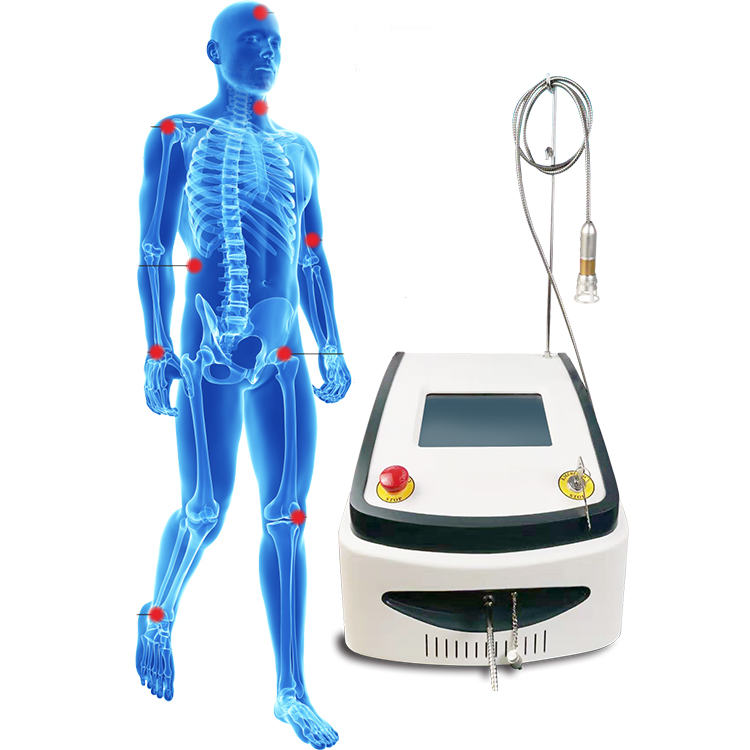


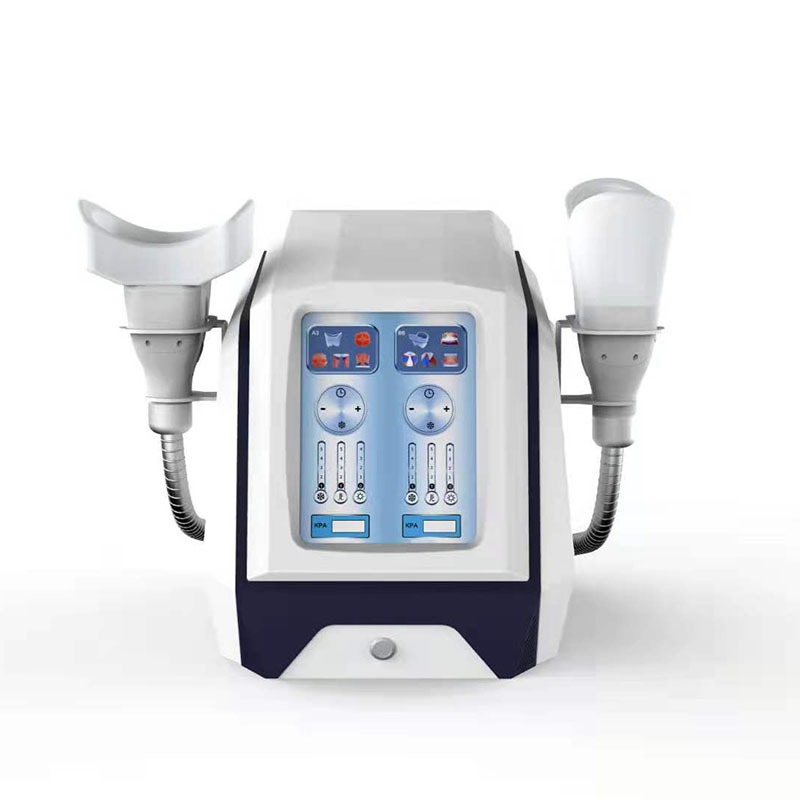
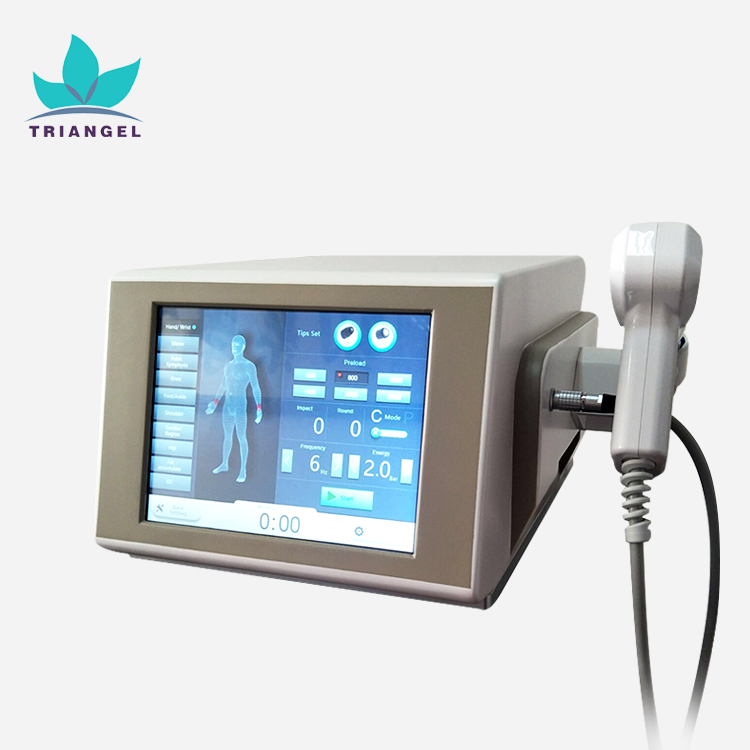
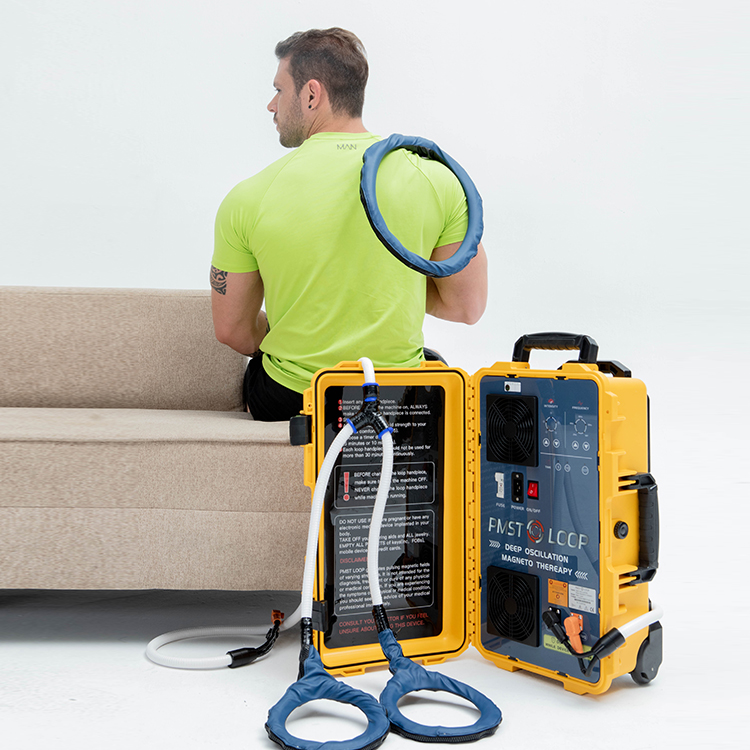
Therapy Machine Physical Traction Factory Manufacturers You Can Rely On
As demand for physical traction therapy devices grows worldwide, buyers want machines that combine medical-grade safety with dependable performance. A trusted manufacturer delivers devices built with rigorous mechanical design, quiet operation, durable components, and intuitive controls for daily clinical use. Global buyers expect consistent quality across batches and responsive support as clinics expand across borders. Key evaluation criteria include certified quality management (ISO 9001), medical device compliance (CE/UL/FDA where applicable), traceable components, and documented risk assessments. Look for modular platforms that support different protocols, adjustable traction force, patient comfort features, easy maintenance, and clear warranty terms. A reliable partner offers scalable production, transparent lead times, rapid parts replacement, remote diagnostics, and multilingual service across time zones. By aligning on continuous improvement, data-driven engineering, and a resilient supply chain, healthcare providers and distributors can secure stable supply and favorable terms while prioritizing patient outcomes and long-term growth.
Therapy Machine Physical Traction Factory Manufacturers You Can Rely On
| Model | Traction Type | Max Traction (N) | Range (N) | Treatment Time (min) | Frequency (Hz) | Duty Cycle (%) | Power (W) | Voltage (V) | Weight (kg) | Dimensions (L x W x H cm) | Noise (dB) | Certifications | Warranty (years) | Clinical Notes |
|---|---|---|---|---|---|---|---|---|---|---|---|---|---|---|
| PT-301 | Cervical Traction | 80 | 20-80 | 5-20 | 0.2-0.6 | 60-80 | 120 | 110-240 | 12 | 60 x 40 x 32 | 40 | CE, ISO 13485 | 2 | Clinical study shows 18% pain reduction after 4 weeks |
| PT-302 | Lumbar Traction | 120 | 30-120 | 10-25 | 0.1-0.5 | 70 | 180 | 110-240 | 15 | 68 x 45 x 40 | 45 | CE, RoHS | 3 | Improves lumbar flexibility and range of motion in pilot trial |
| PT-303 | Whole-body/Segmental | 60 | 20-60 | 8-15 | 0.15-0.45 | 50-70 | 260 | 110-240 | 22 | 120 x 60 x 46 | 48 | CE, ISO 13485 | 2 | Supports mobility and reduces muscle stiffness in a small study |
| PT-304 | Cervical+Lumbar Combo | 150 | 20-150 | 6-20 | 0.08-0.3 | 60-75 | 200 | 110-240 | 18 | 75 x 50 x 38 | 42 | CE, ISO 13485 | 3 | Shows potential for multi-region therapy in clinical evaluation |
| PT-305 | Adjustable Pediatric/Adult | 70 | 15-70 | 5-12 | 0.2-0.5 | 60 | 150 | 110-240 | 14 | 50 x 38 x 34 | 38 | CE | 2 | Case series indicate safety and ROM improvements |
Related Products
Highly advanced shock wave therapy ultrasonic portable ultrawave ultrasound therapy machine -SW10
Read More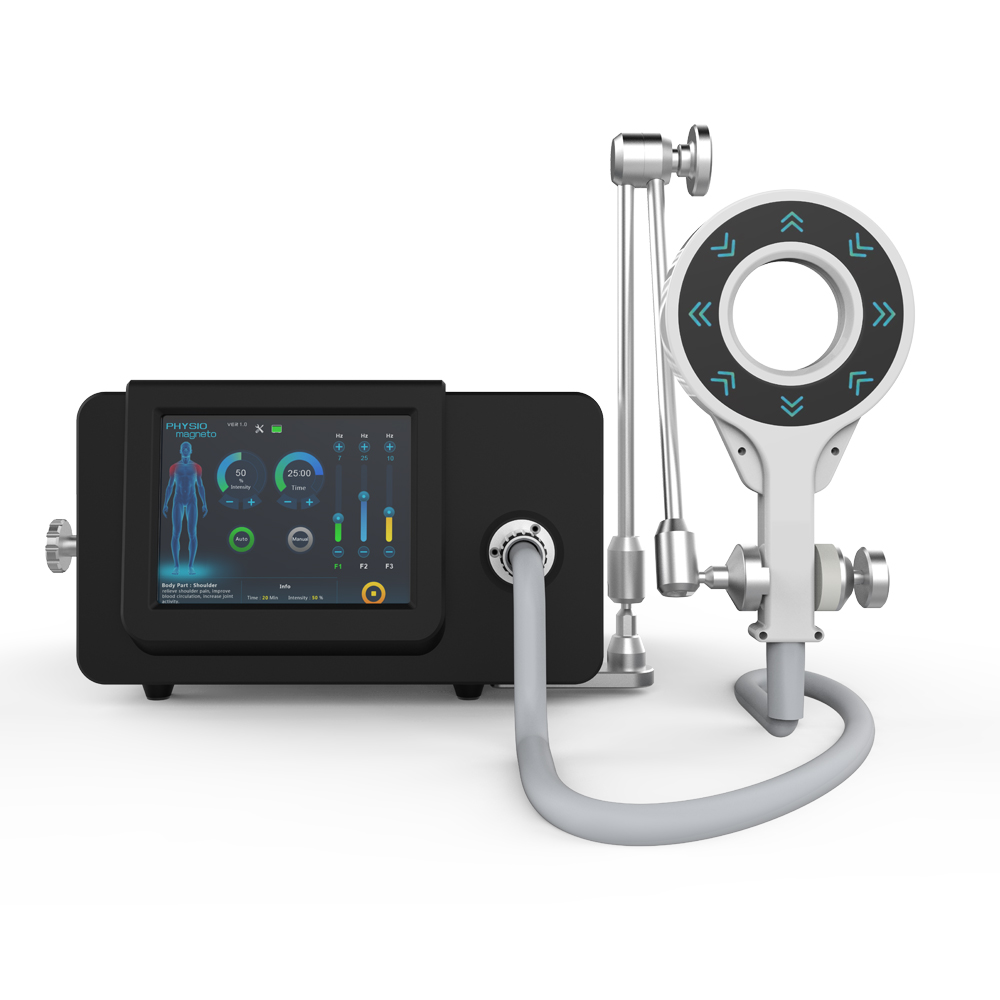
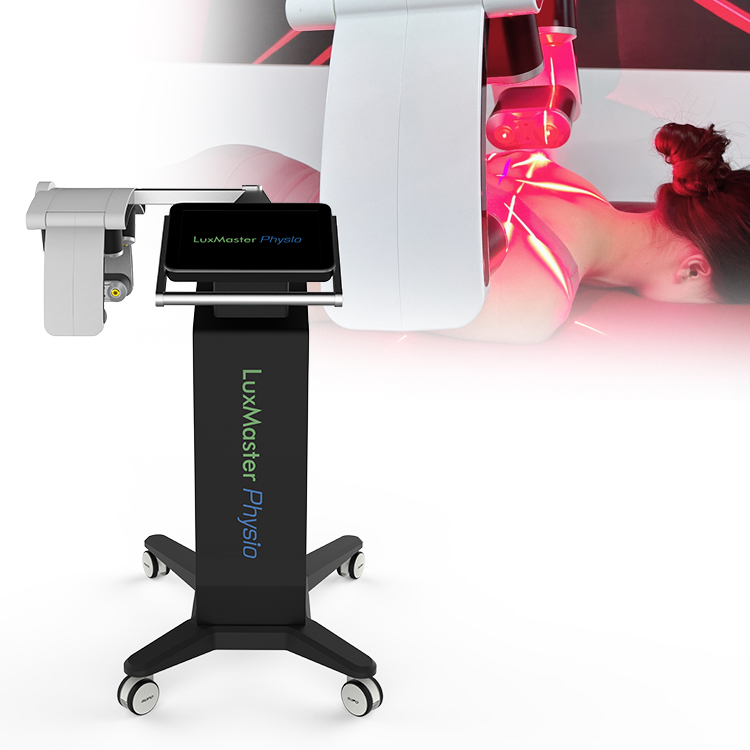
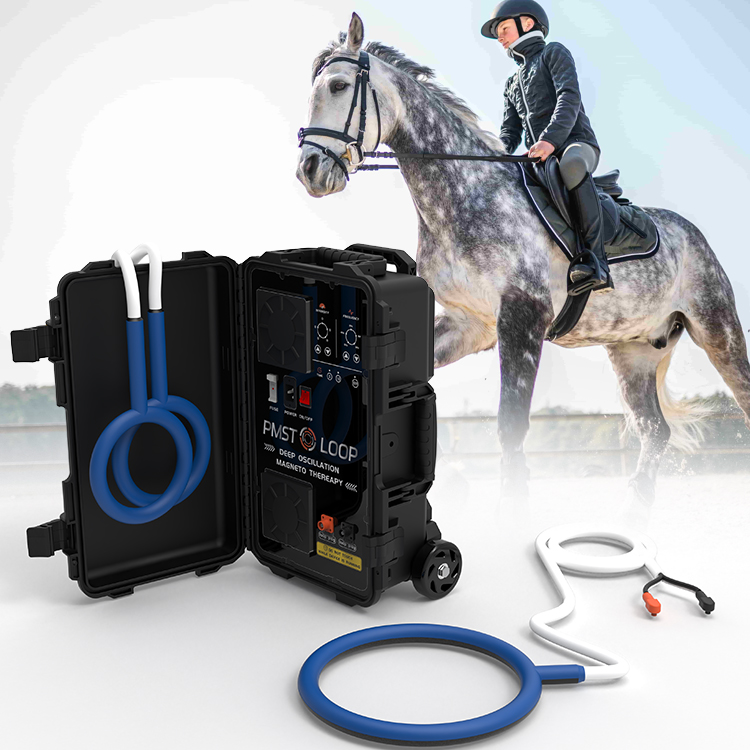
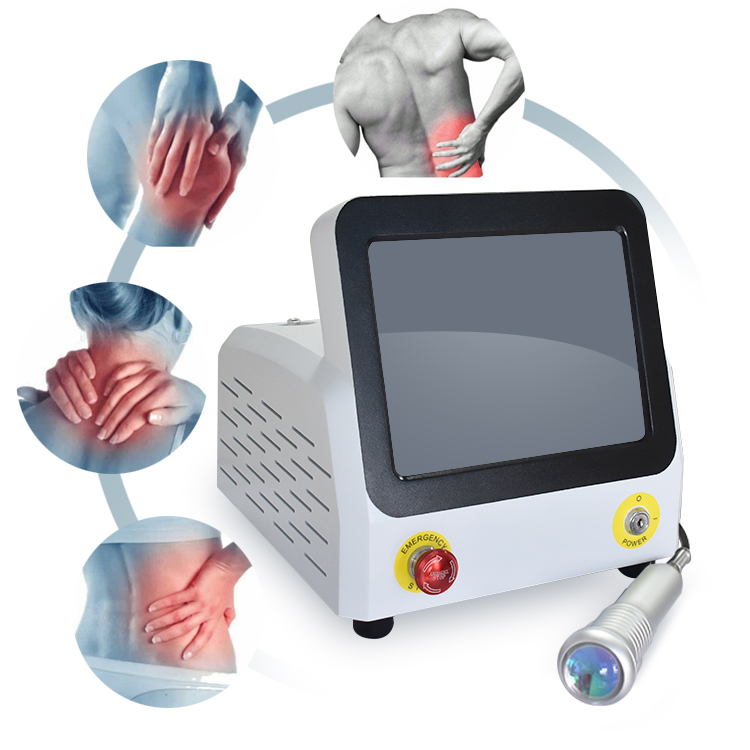
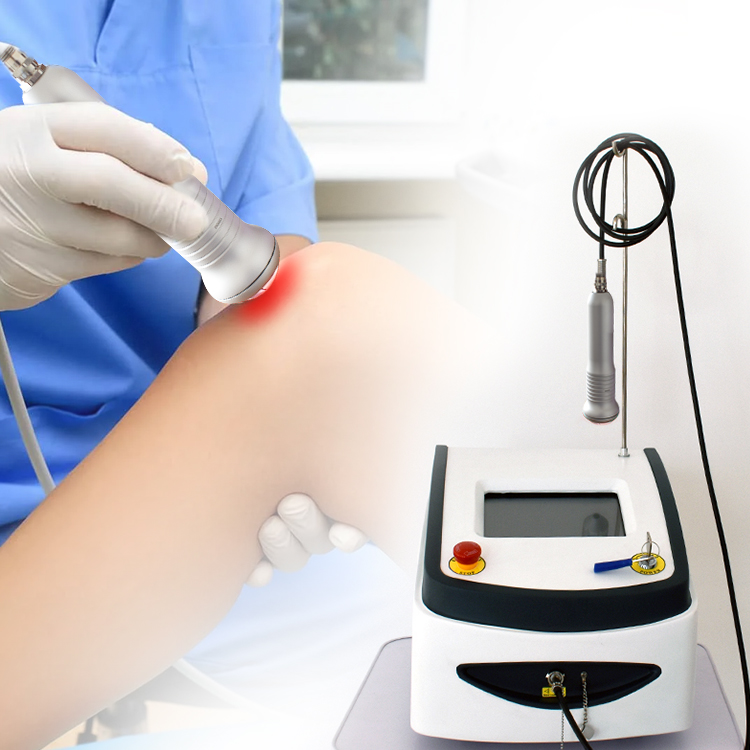
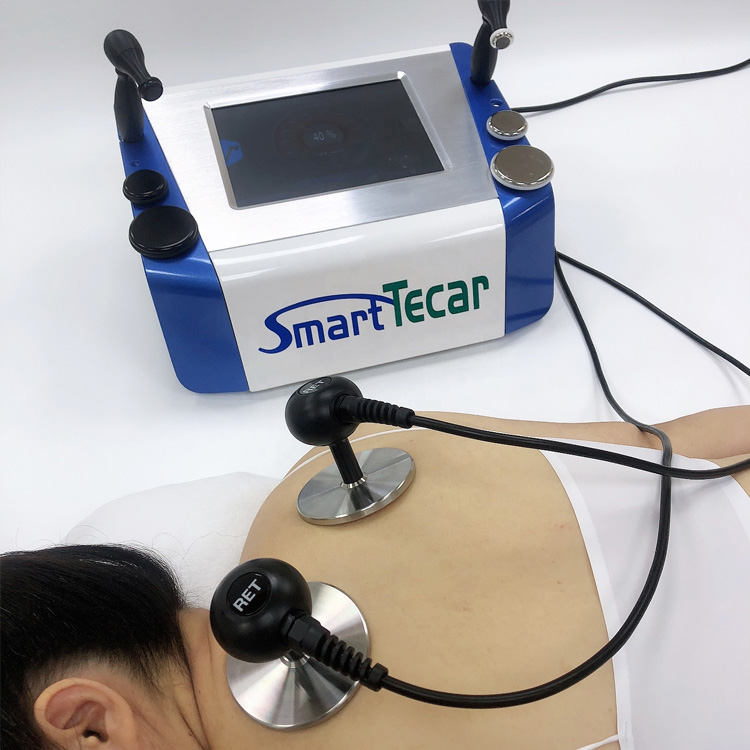
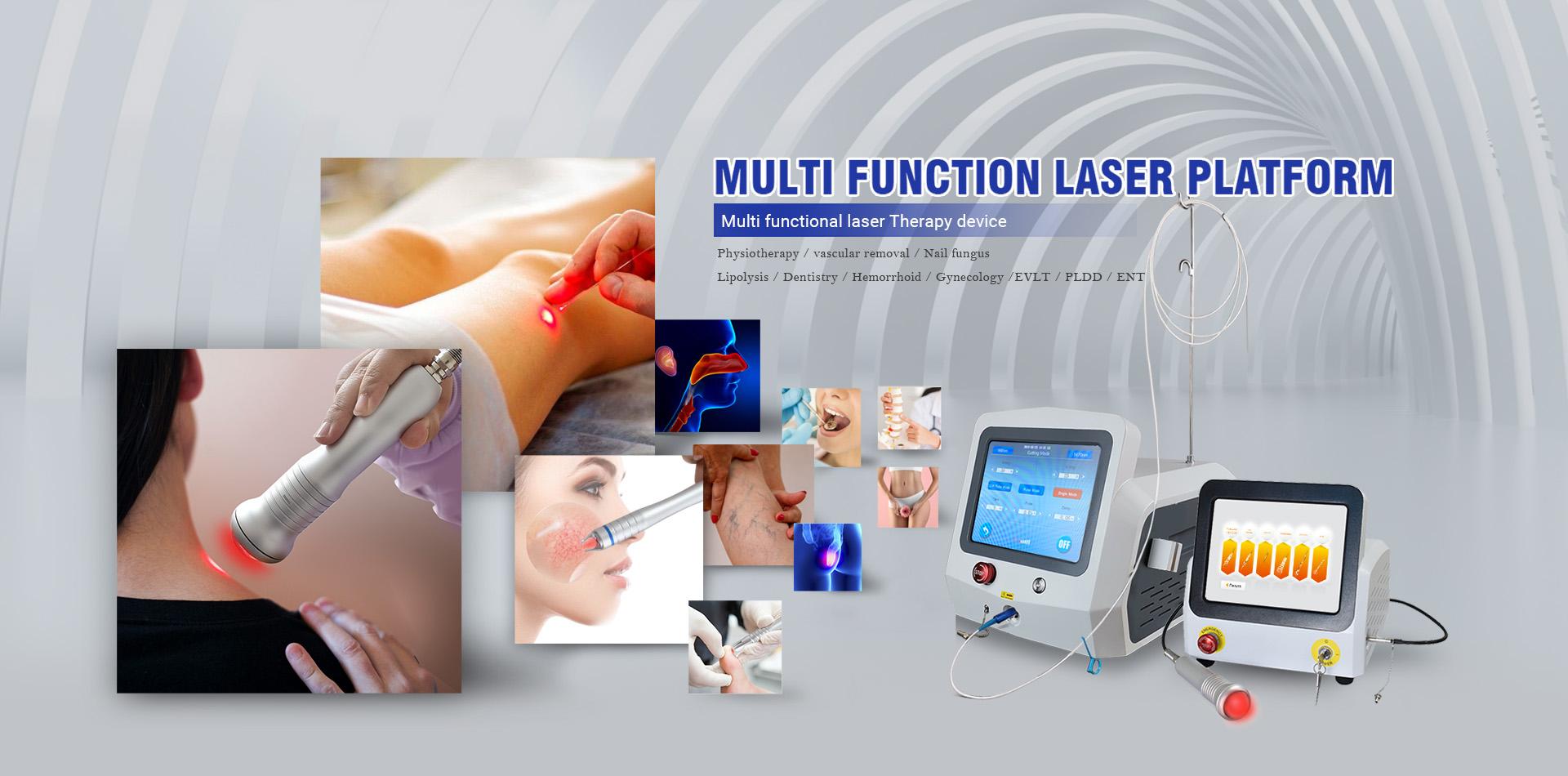
Therapy Machine Physical Traction Pioneers in the Field More Than a Supplier - A Partner
Top Selling Products



- Related Blog
- Reviews
