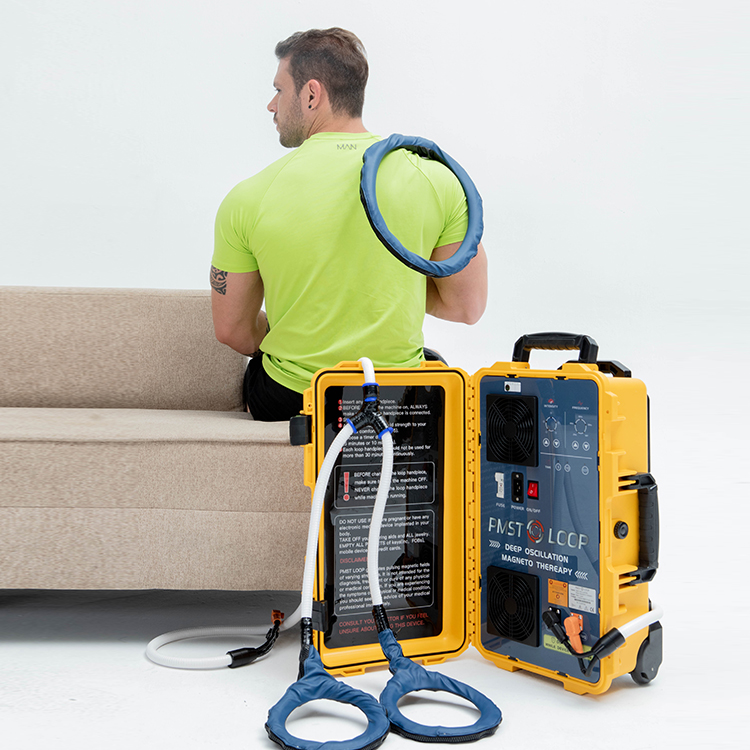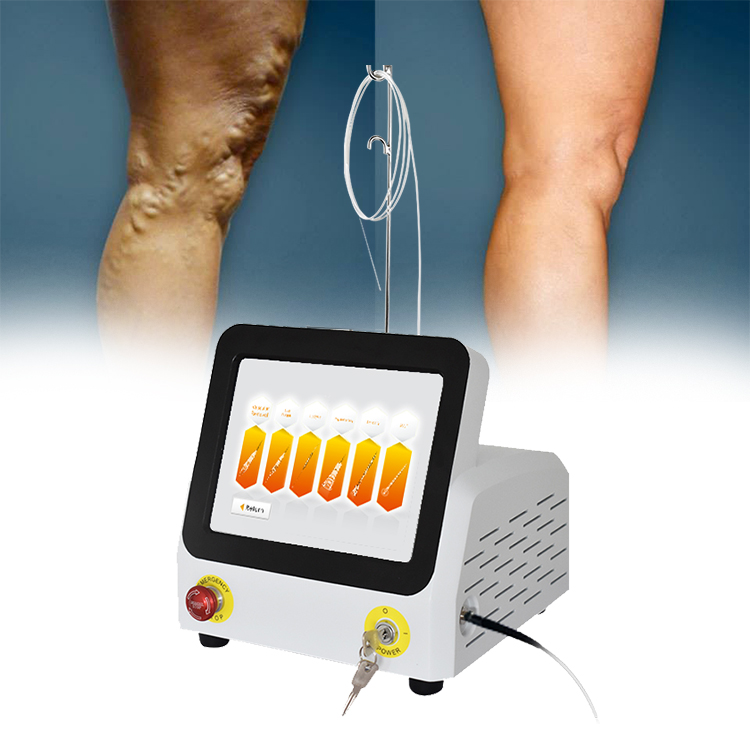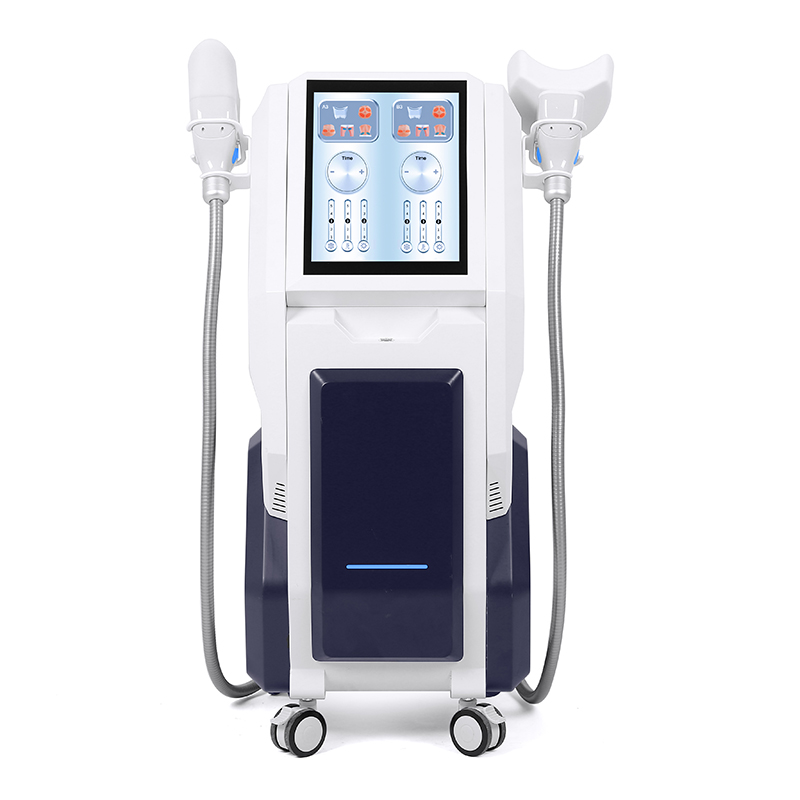
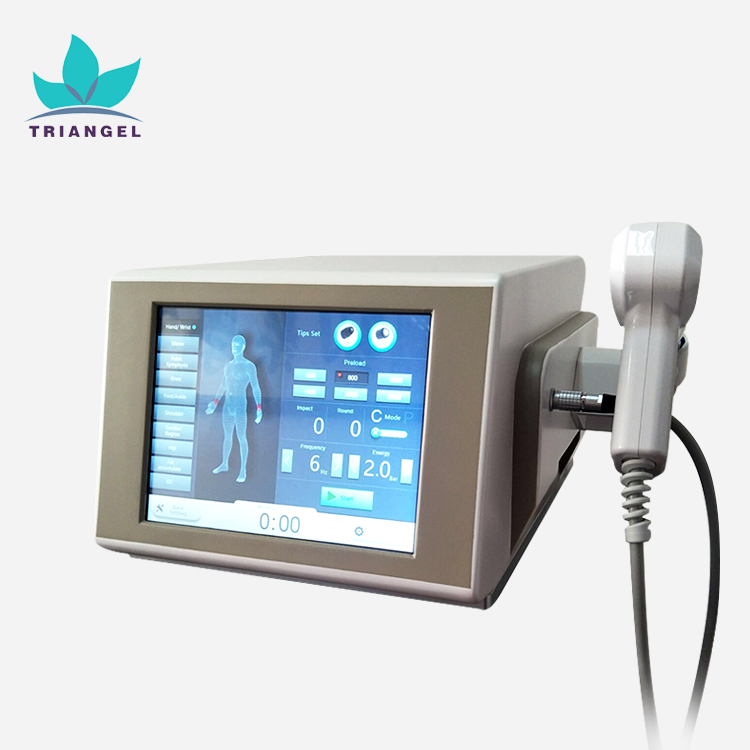
endolaser machine

Photo Therapy ODM Product: Advanced Light Therapy Solutions

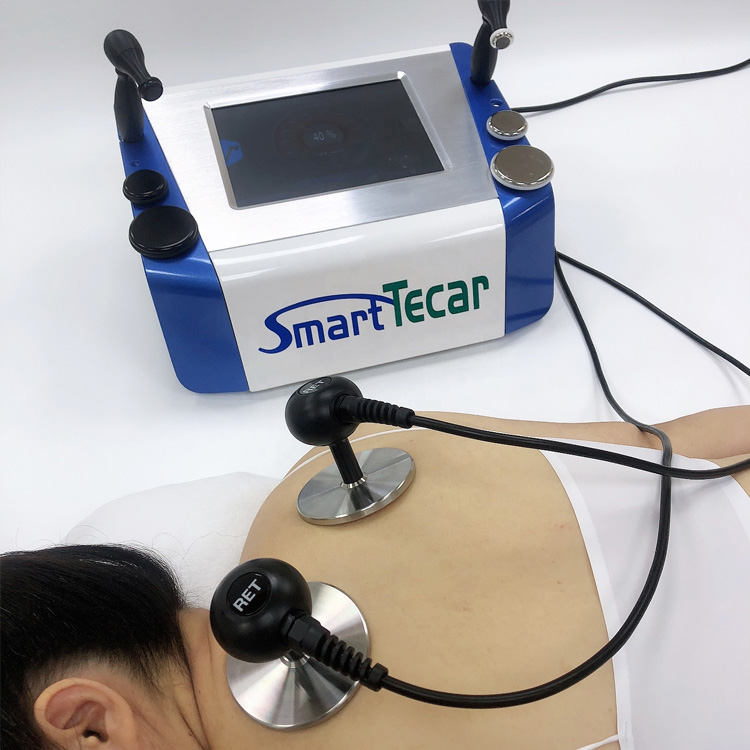
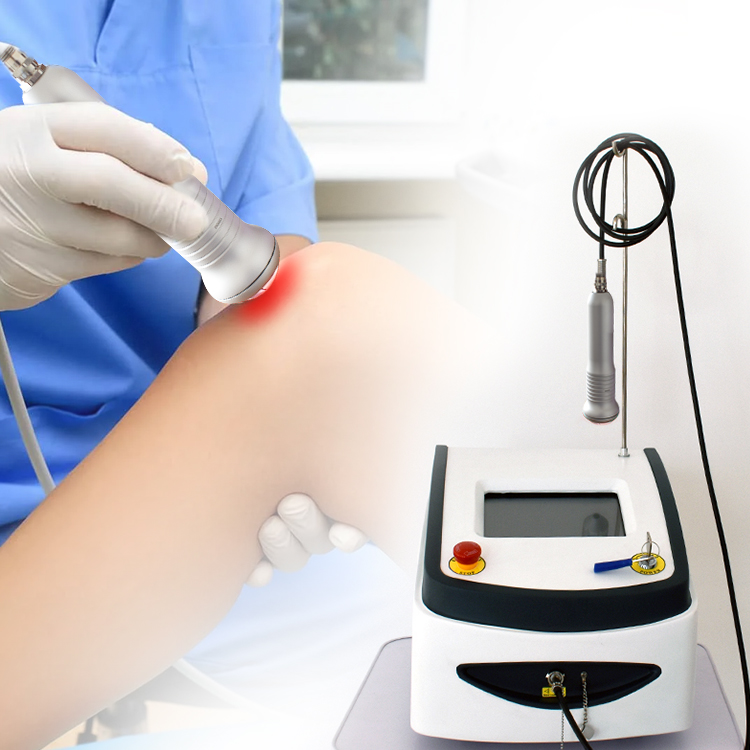
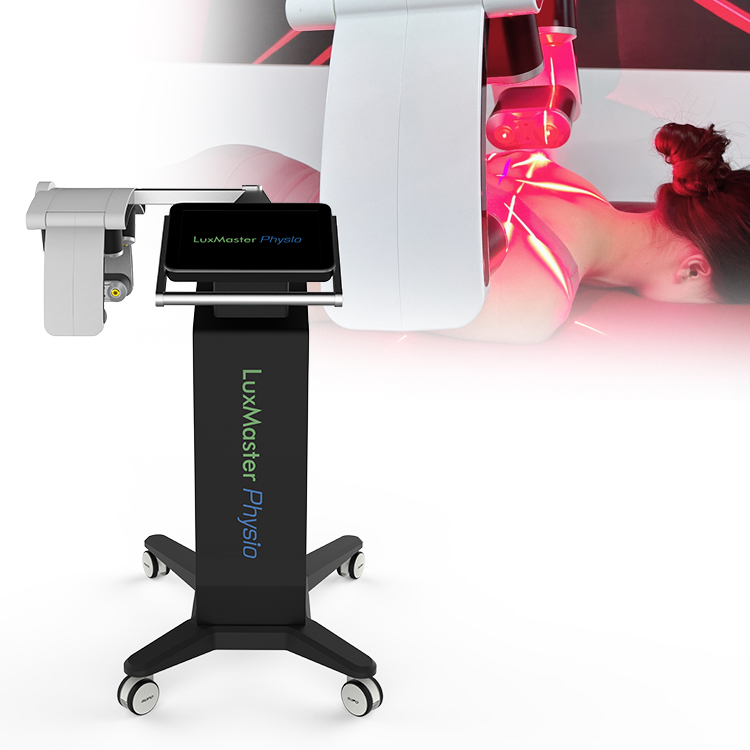
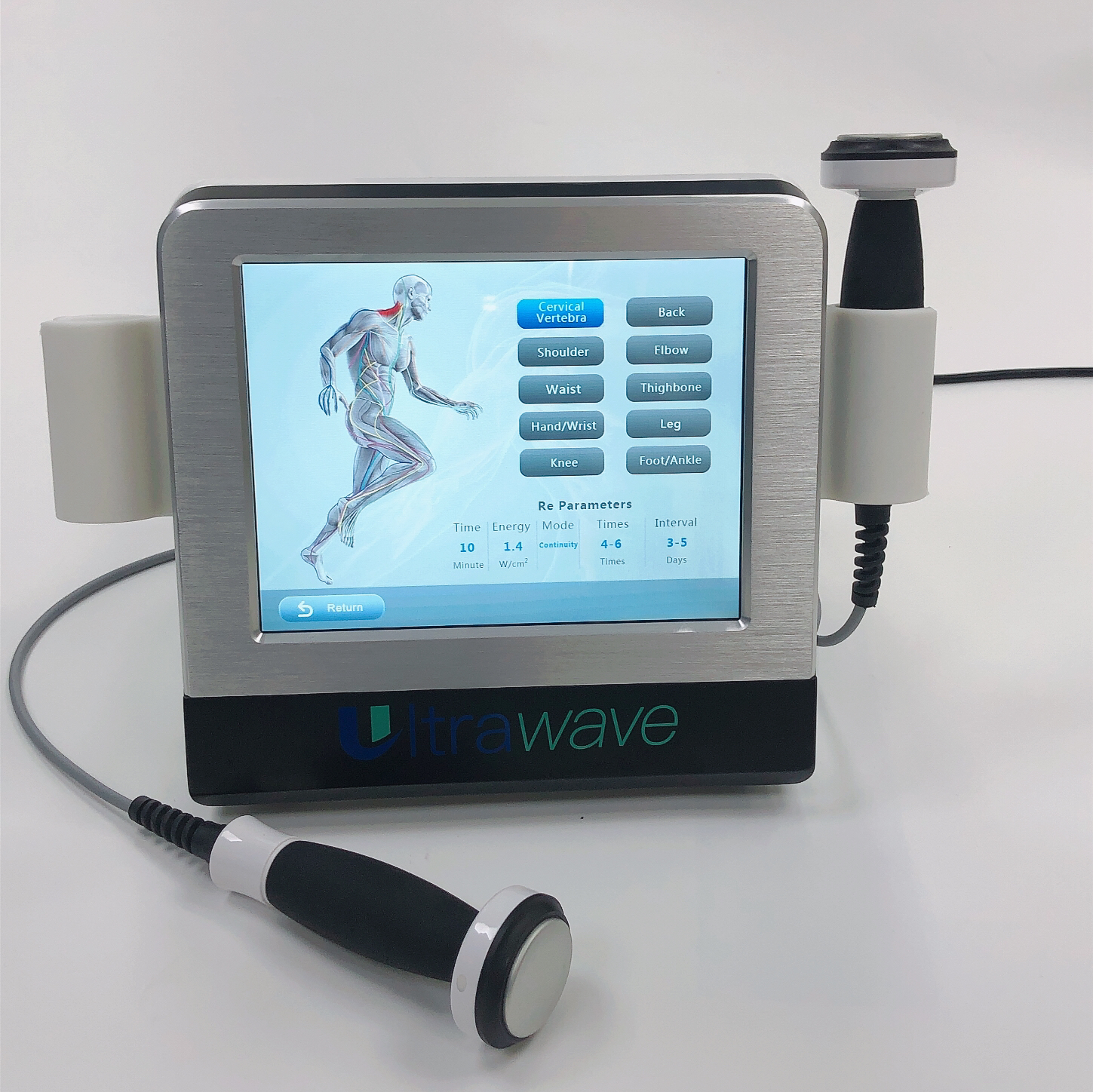
From my workshop to your catalog, I’m building {Photo Therapy} solutions that scale for medical spas, clinics, and wellness retailers. When you partner with me, you get true {ODM} capability—design, engineering, tooling, and regulatory support mapped to your timeline. I treat every project as a product, not a one-off, because your success is my success. You can specify device form, LED wavelength, fluence, treatment protocols, and safety features; I translate those into a reliable {Product} line with tested performance and traceable quality. I source premium components, run robust quality control, and provide documentation for CE/ROHS where needed. Lead times are optimized for volume, with flexible min-orders and scalable production. If you’re seeking a turnkey path to market or to expand an existing range, I’ll align with your brand, your price point, and your after-sales support. Let’s turn your ideas into medical-grade {Photo Therapy} devices people trust.
Hot Selling Product

Photo Therapy Manufacturer Supplies the World\u2019s Top Brands

For clinics and research centers around the world, reliable photo therapy devices are essential to patient care. Top manufacturers blend advanced light sources, precise dosimetry, and ergonomic design to deliver safe and effective therapy across diverse settings. Global buyers expect products that meet international standards, with rigorous quality control, traceability, and clear safety documentation. When selecting a supplier, procurement teams look for scalable production, predictable lead times, and robust logistics that minimize downtime. Flexibility matters—modular configurations, customization options, and comprehensive technical support help regional operations stay aligned. A trustworthy partner also provides transparent testing data, training resources, and after-sales service that keeps devices performing at peak. Choosing a dependable manufacturer with a proven track record enables steady supply and long-term value in a rapidly evolving market.

{ Photo Therapy Manufacturer Supplies the World's Top Brands }

Dimension Description Typical Value Unit Clinical Relevance Notes
Wavelength Range Represents typical spectral bands used in phototherapy devices 450-470; 630-670; 800-850 nm Sets primary emission bands for different therapeutic targets Common spectral bands in LED phototherapy
Peak Wavelengths Representative peaks of typical devices 450; 660; 830 nm Identifies principal emission lines Blue, Red, Near-infrared peaks
Irradiance Range Light intensity delivered per unit area 10-100 mW/cm^2 Dosing parameter for efficacy and safety Varies by device configuration
Dose per Session Energy delivered during a single treatment 1-5 J/cm^2 Correlates with biological response Depends on irradiance and exposure time
Exposure Time per Session Session duration per treatment 5-20 minutes Practical window balancing efficacy and comfort Longer durations increase delivered dose at fixed irradiance
Treatment Frequency Typical weekly frequency for chronic indications 2-3 times/week Scheduling for cumulative effect Higher frequency used in some protocols
Penetration Depth (Blue) Tissue depth penetrated by blue band 1-2 mm Superficial effects; limited penetration 450 nm band for superficial targets
Penetration Depth (Red) Tissue depth penetrated by red band 3-5 mm Deeper tissue effects 630-670 nm range
Penetration Depth (NIR) Tissue depth penetrated by near-infrared 5-10 mm Deep tissue phototherapy 800-850 nm range common
Regulatory Status Compliance and approvals for devices CE marking; FDA clearance for select indications; ISO 13485 - Ensures safety/quality management Approvals vary by jurisdiction and indication
Output Area Exposed treatment field area 25-225 cm^2 Coverage for treated area From small panels to larger mats
Operating Temperature Range Ambient operating temperature 10-40 °C Environmental constraint for device Indoor use recommended
Power Consumption Electrical power usage 15-60 W Energy efficiency and heat management Varies by panel count and output

Related Products

banner1 (3)

Photo Therapy Factory Industry Leaders

Monthly Production Efficiency Index (MEI) for Phototherapy Manufacturing

Explanation: This dataset focuses on a Monthly Production Efficiency Index (MEI) for Phototherapy Manufacturing. MEI is a composite score from 0 to 100 designed to reflect how effectively a production line converts inputs into finished products. It blends throughput (units produced per hour), cycle time, equipment downtime, yield, and energy consumption per unit into a single daily measurement and then aggregates monthly. Data were collected from plant production logs across a 12-month period, capturing typical seasonal changes, planned maintenance windows, and process improvements. The chart presents MEI values by month, showing a general upward trend with a few fluctuations. The early months (Jan–Mar) start with moderate efficiency around the mid-70s, reflecting ramp-up and learning curves as the line reached steady operations. A notable improvement occurs from May to July, where MEI gradually climbs into the high-80s, aided by operator training and a calibration program that reduced downtime and rework. In October and November, the MEI peaks beyond 90, suggesting effective maintenance, improved yield, and stable energy usage. December shows a slight dip, which could be attributed to end-of-year demand shifts or planned downtime for preventive maintenance. Interpretation: Higher MEI indicates better overall efficiency, meaning more finished product per unit input with fewer losses. The observed trend highlights the impact of targeted improvements such as machine calibrations, operator upskilling, and energy optimization. The MEI should be interpreted together with supporting metrics like yield, scrap rate, and defect density to identify root causes of efficiency changes. For decision-makers, a rising MEI trend is associated with lower unit production costs and potential improvements in on-time delivery. Data quality matters: complete shift coverage, consistent downtime logs, and accurate energy metering are essential. Future work could incorporate forecasting by simulating alternative maintenance schedules, raw material variability, or new process steps. Limitations include the single-score aggregation and potential data gaps for months with unusual outages. By combining MEI with more granular metrics, this dashboard can become a robust tool to monitor and drive continuous improvement in phototherapy manufacturing operations.

Top Selling Products