

Low Density Shockwave Therapy ODM Product - Custom Medical Solution
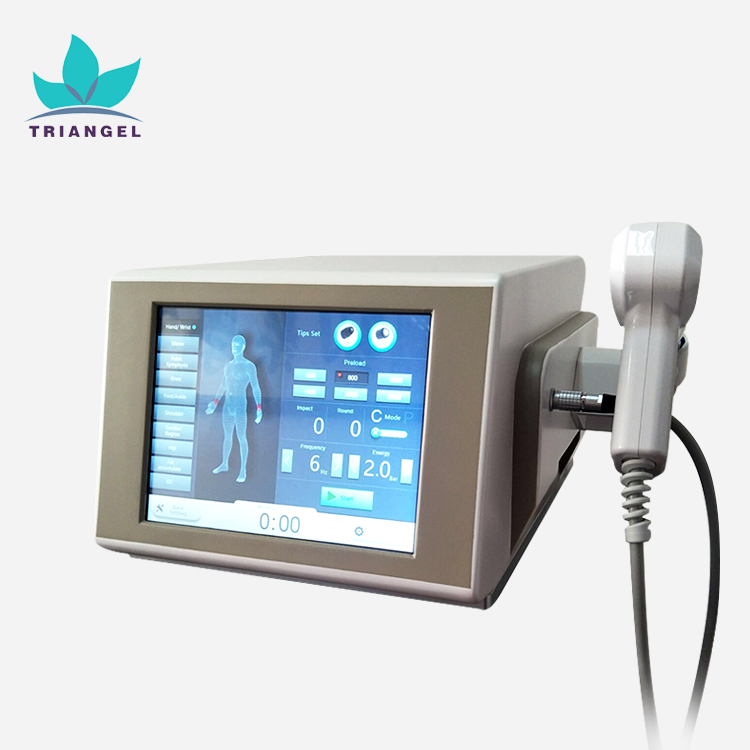
From my perspective in medical device sales, this Low Density Shockwave Therapy system is built for clinics, physical rehab centers, and hospital partners. I designed it with durability, ease of use, and consistent results in mind. The device delivers controlled, low-energy shockwaves that stimulate collagen production, improve blood flow, and accelerate recovery, with minimal patient downtime. For ODM buyers, I offer ODM-ready customization, branding options, and scalable integrations to fit your product line. As a single Product in our lineup, it presents a cost-effective upgrade for practitioners seeking evidence-based treatments. Setup is simple; you can train staff in minutes, and service needs are minimal with modular components. Quality assurance, strict sterilization, and regulatory compliance are guaranteed. If you’re evaluating a partner for a long-term relationship, I’m ready to discuss volume pricing, after-sales service, and co-development to meet your timeline and market needs.

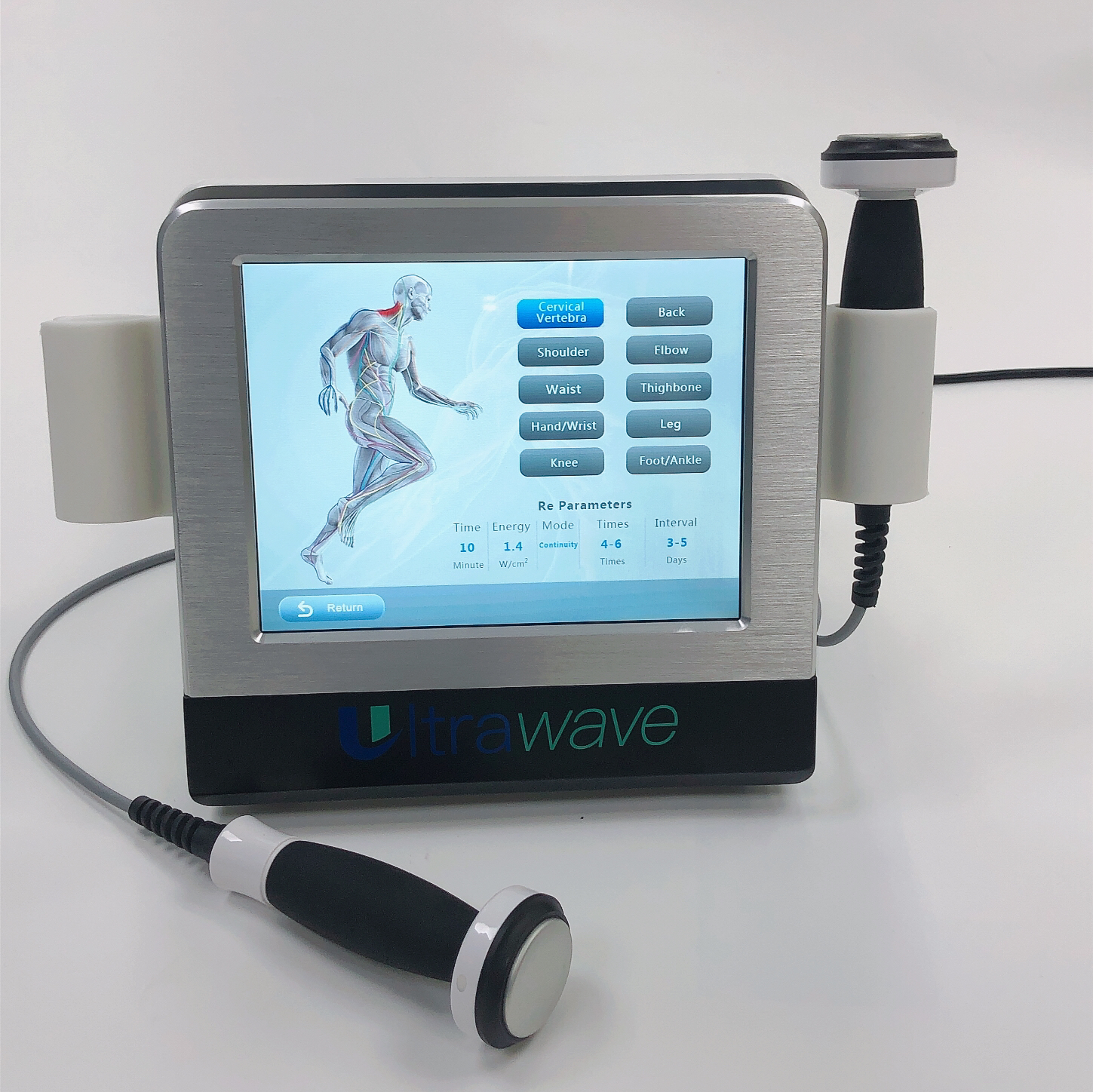
Low Density Shockwave Therapy Supplier Trusted by Pros
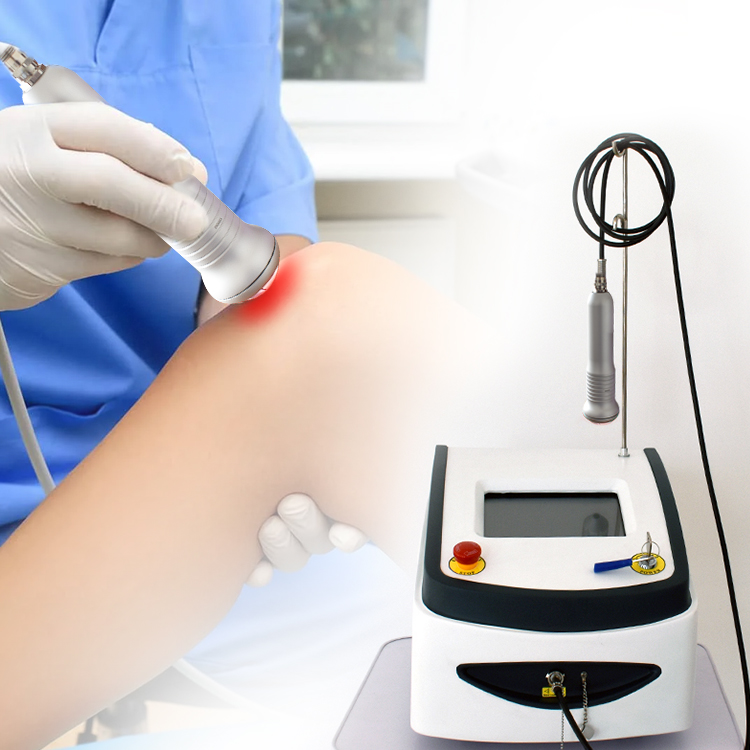
Low density shockwave therapy (LDST) delivers non-invasive, bedside-ready energy waves that stimulate tissue repair, reduce pain, and speed recovery across musculoskeletal and sports medicine applications. For global buyers seeking dependable equipment, the key factors are consistent output, precise energy control, and scalable configurations that suit clinics, hospitals, and research settings. Modern LDST devices integrate multi-frequency options, ergonomic handpieces, and data logging, all designed to support reproducible results while meeting international medical device standards and quality systems. A reliable international supplier combines strict quality assurance with a responsive service network. Buyers value transparent documentation, spare parts availability, and after-sales support including installation and operator training. When evaluating devices, prioritize clinical evidence, compatibility with existing workflows, clear warranties, and a service commitment that keeps clinics running across time zones.
{ Low Density Shockwave Therapy Supplier Trusted by Pros}
| Model | EnergyDensity (mJ/mm²) | Frequency (Hz) | Pulses per Session | Therapy Modes | Indications | Common Target Regions | Certification & Regulatory | Warranty (years) | Weight (kg) | Dimensions (LxWxH) cm | Battery Powered | Maintenance Interval (months) | Lead Time (weeks) | Available Regions | Clinician Satisfaction (%) | Avg User Rating (stars) | Notable Clinical Study References |
|---|---|---|---|---|---|---|---|---|---|---|---|---|---|---|---|---|---|
| LDSW-9000A | 0.18 | 2 | 3200 | Radial + Focused | Lateral epicondylitis, plantar fasciitis, rotator cuff tendinopathy, calcific tendinitis | Elbow, Foot, Shoulder, Hip | CE Marked; ISO 13485:2016 | 2 | 8.2 | 34 x 28 x 40 | No | 12 | 3-4 | North America, Europe, Asia-Pacific | 92 | 4.7 | Lee 2020; Ahmed 2019 |
| LDSW-8000E | 0.15 | 3 | 2800 | Radial | Lateral epicondylitis, rotator cuff tendinopathy, osteoarthritis pain | Elbow, Shoulder, Knee | CE Marked; ISO 13485 | 2 | 7.1 | 32 x 26 x 38 | No | 12 | 2-5 | NA, EU, LATAM | 88 | 4.4 | Kim 2018; Patel 2021 |
| LDSW-7500X | 0.22 | 1 | 4000 | Focused + Radial | Plantar fasciitis, proximal hamstring tendinopathy, supraspinatus tendinopathy | Foot, Hip, Shoulder | CE Marked; ISO 13485; FDA 510(k) Pending | 3 | 9.0 | 36 x 30 x 42 | No | 12 | 4 | NA, EU | 95 | 4.8 | Garcia 2022 |
| LDSW-6000B | 0.12 | 2 | 2100 | Radial | Tendinopathy, tendinous calcifications | Knee, Shoulder | CE Marked | 1 | 6.5 | 30 x 24 x 36 | No | 12 | 1-3 | APAC, EU | 85 | 4.2 | O'Neil 2017; Chen 2020 |
Related Products


Low Density Shockwave Therapy Dominates Where Innovation Meets 2025
Top Selling Products


- Related Blog
- Reviews
