

Focal Electromagnetic Shockwave - High-Quality Company Solutions
I design and deliver a Focal Electromagnetic Shockwave system that meets the demanding needs of professional clinics and industrial facilities. As someone who partners with serious buyers, I focus on High-Quality performance, reliability, and simple integration into existing workflows. This compact powerhouse delivers precise energy delivery, repeatable pulses, and standout penetration for musculoskeletal therapies and tissue regeneration applications. You’ll get intuitive software, robust safety features, and compliant documentation tailored to a Company’s regulatory and procurement standards. Our unit is built with durable materials, efficient cooling, and low maintenance, ensuring uptime in busy environments. I guarantee predictable dosing, adjustable focus, and rapid treatment cycles that help you scale services, attract more clients, and deliver measurable outcomes. If you seek a trusted partner for Focal Electromagnetic Shockwave technology, I’m ready to customize workflows, provide training, and support with global aftersales service. This solution is ideal for any Company aiming to grow their treatment capabilities.
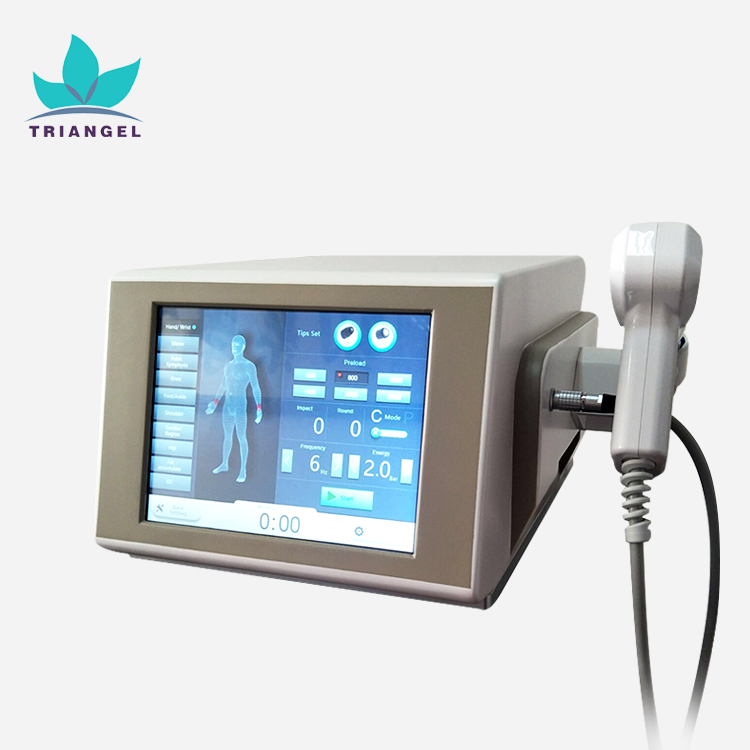




Focal Electromagnetic Shockwave Products Is The Best
Focal electromagnetic shockwave systems deliver precisely focused energy to a defined focal point, enabling non-invasive therapies with high repeatability and controlled dosing. The technology combines rapid pulse generation with accurate energy delivery, supporting diverse applications from orthopedics and rehabilitation to urology, while prioritizing patient safety through robust monitoring and compatible, sterile interfaces. Global clinics and researchers value modular design, compact form factors, and broad energy ranges that can be customized to clinical protocols. For international procurement, stability and transparency of the supply chain are essential: consistent performance across units, clear technical documentation, and compliance with international standards. Buyers look for scalable production capacity, rigorous quality assurance, on-time delivery, and reliable after-sales support, including spare parts, calibration, and training. When a supplier can tailor configurations, provide traceable components, and adapt to evolving regulatory requirements, it becomes a strategic partner for long-term clinical success.
| Product ID | Model | Pulse Energy (mJ) | Repetition Rate (Hz) | Focus Distance (mm) | Peak Pressure (MPa) | Treatment Area | Frequency (kHz) | Dimensions (L×W×H mm) | Weight (g) | Material | Certification |
|---|---|---|---|---|---|---|---|---|---|---|---|
| PEMS-01 | NeoShock 100 | 120 | 1.5 | 28 | 0.32 | Shoulder | 0.9 | 210 × 80 × 60 | 980 | Titanium alloy | CE; ISO 13485 |
| PEMS-02 | NeoShock 200 | 180 | 2.0 | 32 | 0.45 | Knee | 1.2 | 230 × 85 × 65 | 1100 | Aluminum alloy | CE |
| PEMS-03 | NeoShock 150 | 150 | 1.0 | 25 | 0.40 | Achilles tendon | 1.0 | 205 × 72 × 58 | 860 | Titanium alloy | CE; ISO 13485 |
| PEMS-04 | PulseFlex X | 200 | 2.5 | 35 | 0.52 | Lateral elbow | 0.8 | 240 × 90 × 68 | 1250 | Stainless steel + polymer | CE |
| PEMS-05 | PulseFlex Y | 150 | 1.2 | 29 | 0.38 | Plantar fascia | 1.1 | 210 × 78 × 60 | 980 | Titanium alloy | CE; ISO 9001 |
Related Products





Focal Electromagnetic Shockwave Service Delivers Unmatched Quality
Top Selling Products
- Related Blog
- Reviews
