
Electromagnetic Shockwave Therapy Cheap Service for Effective Relief
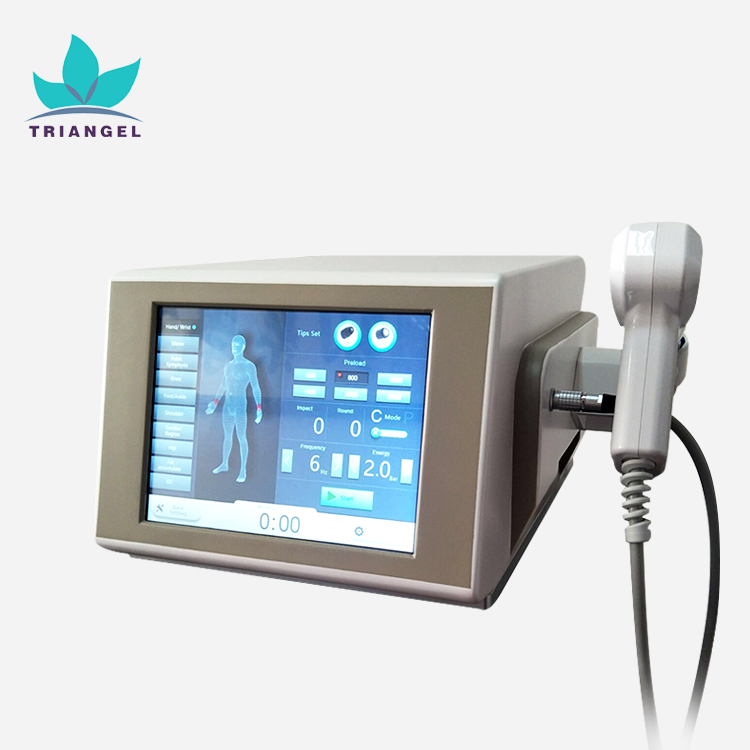
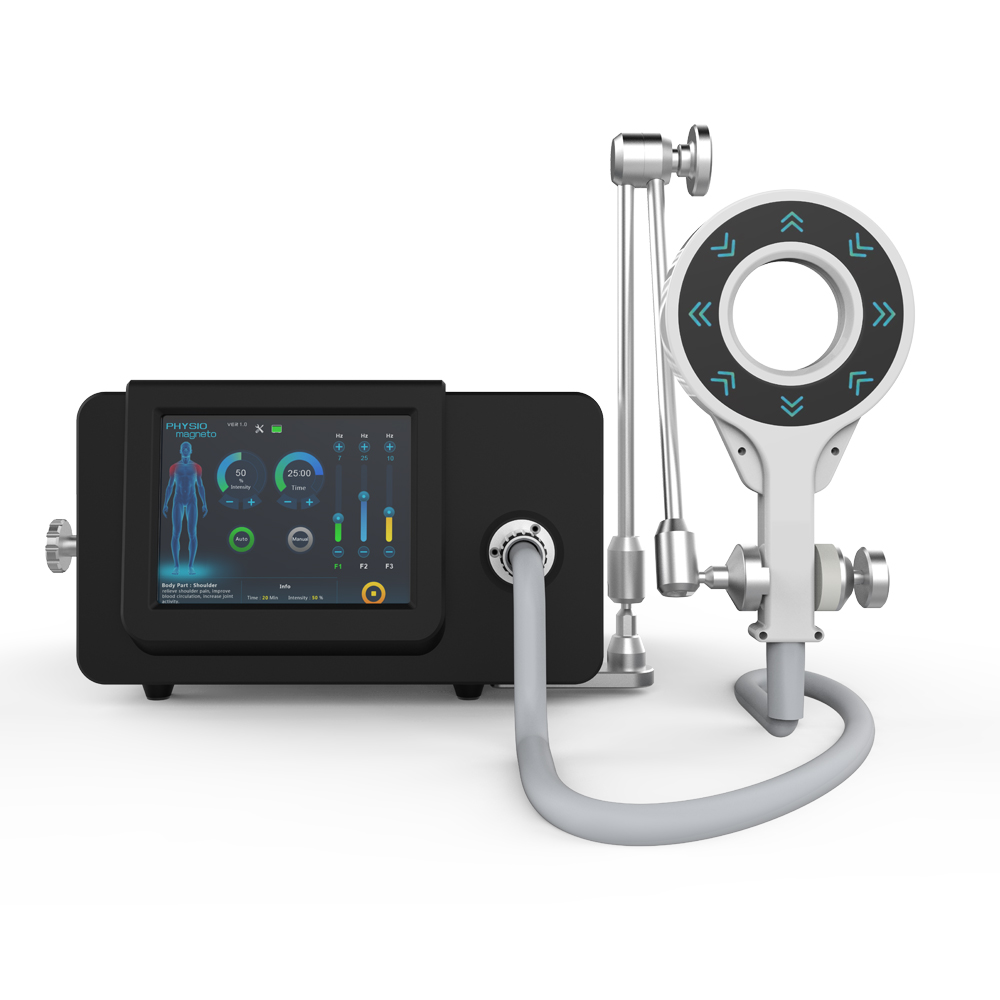
We help forward-thinking clinics upgrade patient care with Electromagnetic Shockwave Therapy. My team designed this compact system to deliver precise energy pulses through a hand-held applicator, delivering fast, non-invasive relief across musculoskeletal conditions. The device offers adjustable impulse intensity, multiple head options, and pre-programmed protocols that adapt to chronic tendinopathy, plantar fasciitis, and soft tissue injuries. Treatments are quick—usually 5 to 10 minutes—so you can treat more patients each day without sacrificing outcomes. For procurement decisions, the upfront cost is competitive, and the long-term costs stay cheap thanks to no consumables and low maintenance. We back it with strong service: onboarding training, clinical support, and rapid parts replacement. Our focus on reliability reduces downtime and ensures consistent results, which translates to higher patient satisfaction and referrals. If you want to scale therapy offerings without breaking your budget, this system is a solid fit for rehab centers, clinics, or orthopedic practices.

Electromagnetic Shockwave Therapy For the Current Year Leads the Global Market
Electromagnetic shockwave therapy (ESWT) is shaping the current global medical device market. Modern systems provide radial and focused waves with adjustable energy and pulse counts to treat tendinopathies, plantar fasciitis, and fracture healing. Clinics worldwide want compact, reliable units with clear data reporting and easy operation for quick adoption. Procurement decisions emphasize performance, durability, and total cost of ownership. Buyers compare efficacy, spare parts availability, service response, and training support. Compliance with CE/FDA and ISO 13485, plus traceable calibration, reduces regulatory risk for multi-country use. Global buyers favor partners with scalable manufacturing, steady supply, and strong regional service networks. Interoperability with existing medical systems, fair warranty terms, and transparent consumables pricing help secure a long-term edge in sports medicine, rehabilitation, and orthopedics.
| Region | Market Size 2026 (USD Bn) | YoY Growth 2025-2026 (%) | CAGR 2021-2026 (%) | Clinical Adoption Rate (%) | Avg Patients Treated per Clinic per Year | Accredited Training Programs (Count) |
|---|---|---|---|---|---|---|
| North America | 0.95 | 7 | 6.8 | 60 | 180 | 4 |
| Europe | 0.86 | 6 | 5.5 | 55 | 160 | 3 |
| Asia-Pacific | 0.92 | 9 | 8.5 | 50 | 140 | 5 |
| Latin America | 0.20 | 5 | 6.0 | 35 | 90 | 2 |
| Middle East & Africa | 0.18 | 4 | 5.0 | 25 | 60 | 1 |
| Global Total | 3.11 | N/A | 6.1 | 38 | 135 | 15 |
Related Products


Electromagnetic Shockwave Therapy Ahead of the Curve Winning in 2025
Top Selling Products




- Related Blog
- Reviews
