

Cryolipolysis Machine Portable Tm-920 - CE Certification Products
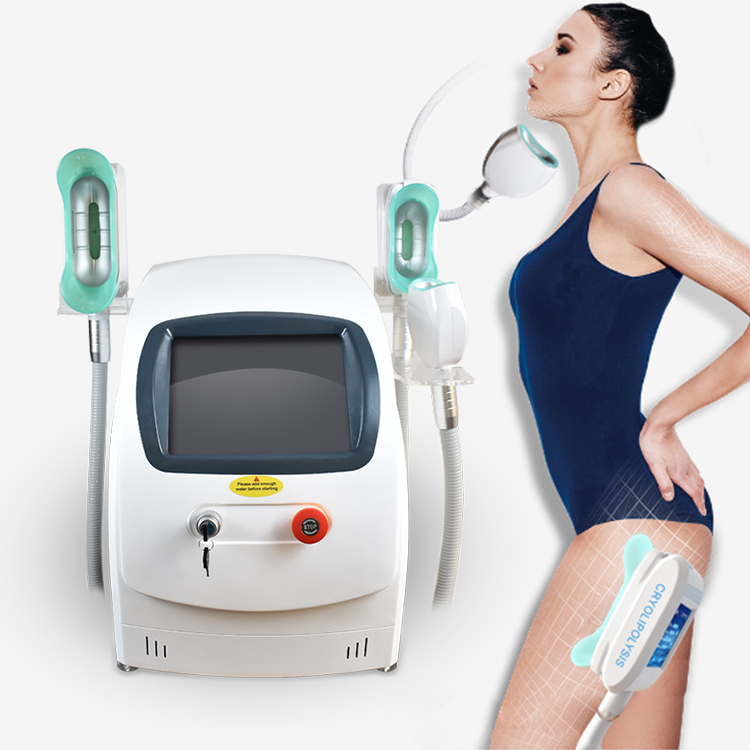
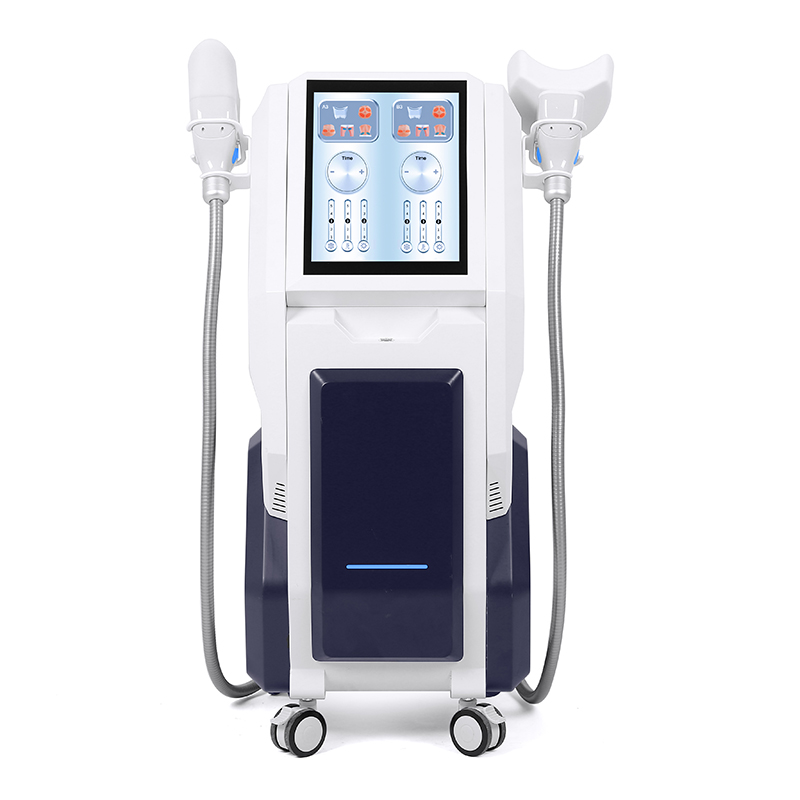
I’m excited to introduce the Cryolipolysis Machine Portable Tm-920 to clinics and aesthetic centers looking for an efficient, non-invasive body contouring solution. This portable unit blends compact design with powerful cooling, letting me move it between treatment rooms without hassle. Clients appreciate the quick treatment cycles, minimal downtime, and noticeable fat reduction, while I value consistent results and easy operation. The device is built with safety in mind, featuring precise temperature control, real-time monitoring, and a reliable safety shut-off. With CE Certification, you can trust the device meets international safety standards, making it ideal for your clinical or spa environment. Our Products lineup is tailored for busy practices, offering scalable options and after-sales support to keep you moving. If you want to expand services, cut down chair-side time, and deliver measurable outcomes, this unit is a smart investment for your business.


Cryolipolysis Machine Portable Tm-920 Factory Your Trusted OEM Partner
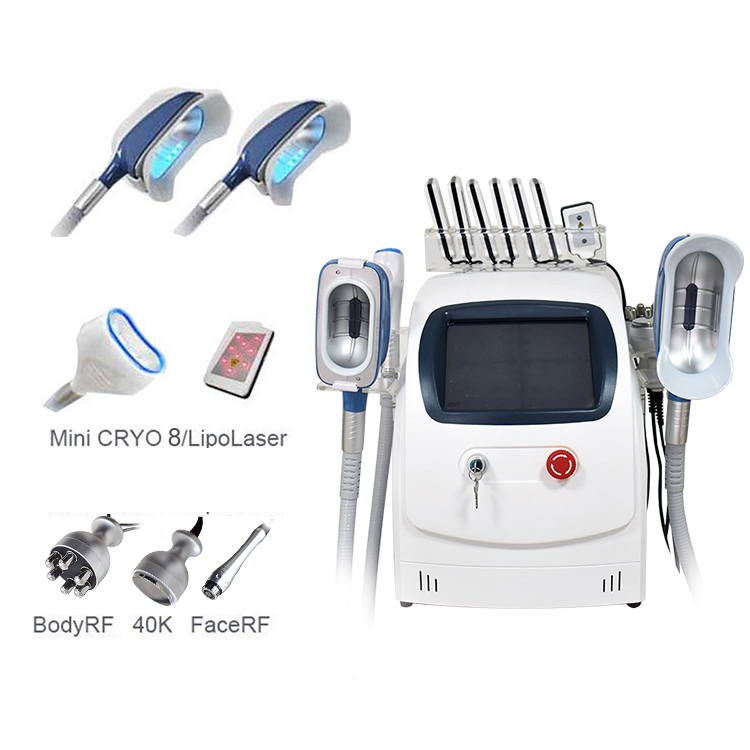
Designed for global clinics, the portable cryolipolysis TM-920 delivers safe fat reduction with a compact footprint and ergonomic handling. It features a user-friendly interface, precise cooling control, and adjustable treatment parameters for diverse patient needs. Its portable design supports mobile clinics and satellite sites, helping you extend services to new markets. OEM capabilities enable white-label customization for international buyers: branding, multilingual UI, tailored treatment presets, and packaging options. The manufacturing setup accommodates both small-batch trials and larger orders, ensuring consistent quality and rapid prototyping to meet regional regulations and market timelines. Partnering with a dedicated manufacturer provides reliable supply, rigorous QA, and end-to-end support—from installation and training to spare parts and remote diagnostics. A scalable production line and flexible terms help you accelerate market entry while controlling costs and maintaining compliance.
| Parameter | Specification | Notes |
|---|---|---|
| General Specifications | ||
| Model | TM-920 | |
| Product Type | Portable Cryolipolysis System | Single-applicator cooling device |
| Overall Dimensions (L×W×H) | 410 × 240 × 180 mm | Approx. external size |
| Weight | 5.9 kg | Lightweight portable unit |
| Power Supply | 100–240 VAC, 50/60 Hz | Worldwide compatibility |
| Power Consumption | 180 W nominal; 320 W peak | During active cooling |
| Cooling Method | Thermoelectric (Peltier) | Integrated cooling module |
| Cooling Temperature Range | -10°C to -5°C | Typical treatment window |
| Treatment Window Diameter | 60 mm | Single-applicator |
| Vacuum Range | 0–0.7 bar | Support tissue suction |
| Treatment Cycle Time | 25–35 minutes per area | Depends on protocol |
| Sound Level | 42 dB(A) @ 1 m | Operational noise |
| Safety & Compliance | ||
| Certifications | CE, ISO 13485 | Medical device standards |
| Materials | Medical-grade ABS, Aluminum alloy | Rugged construction |
| Data Interface | USB 2.0, RS-232 | Data transfer and logging |
| Operating Environment | 15–30°C; 30–75% RH | Ambient conditions |
| Warranty | 12 months | Limited; consumables not included |
| Maintenance & Accessories | ||
| Included Accessories | 1x 60 mm window, gel pack, power cable, user manual | |
| Maintenance | Annual calibration recommended | |
| Cleaning & Disinfection | Surface wipe with alcohol-based cleaner | Follow infection control guidelines |
Related Products




Cryolipolysis Machine Portable Tm-920 Ahead of the Curve From Concept to Delivery
Top Selling Products


- Related Blog
- Reviews
