
Class4 Laser For Physiotherapy – CE Certification & Products
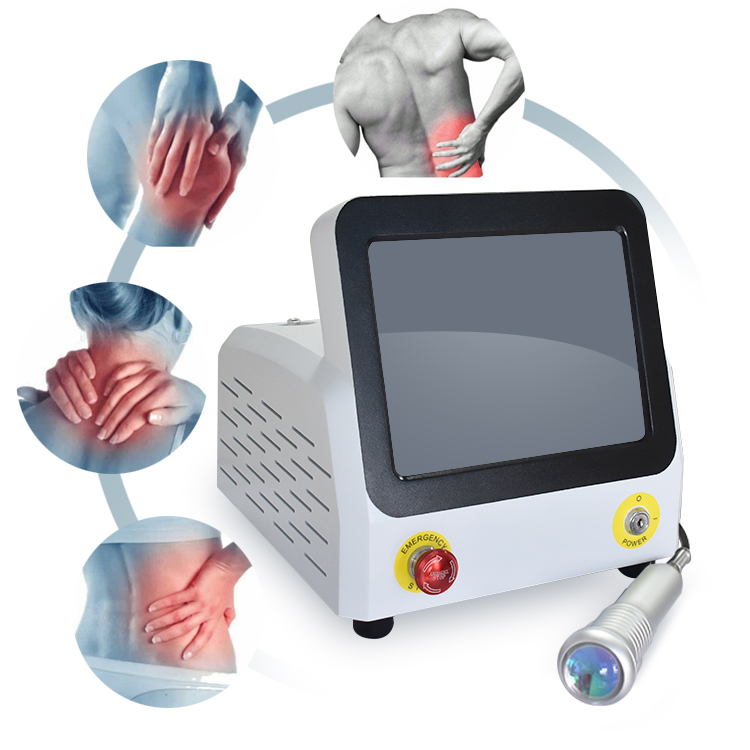
I help clinical teams choose safe, effective therapy tools with confidence. The Class4 Laser For Physiotherapy I offer is designed for fast, non-invasive treatment of acute and chronic musculoskeletal issues. It delivers precise energy, a user-friendly interface, and repeatable results for patients and therapists alike. In busy clinics, consistency matters, so I’ve built in standardized protocols, data logging, and adjustable power to fit treatment plans from gentle to deep tissue work. I back this with complete compliance—our device comes with CE Certification, reinforcing safety and regulatory alignment for your facility. When you buy, you’re not just purchasing a device; you’re adding a scalable solution to your rehab program. Our line of Products covers diverse needs in sports medicine, physiotherapy, and pain management, making it easier to consolidate procurement. I’m ready to discuss installation, training, and after-sales support to ensure your team gets the most from this investment.

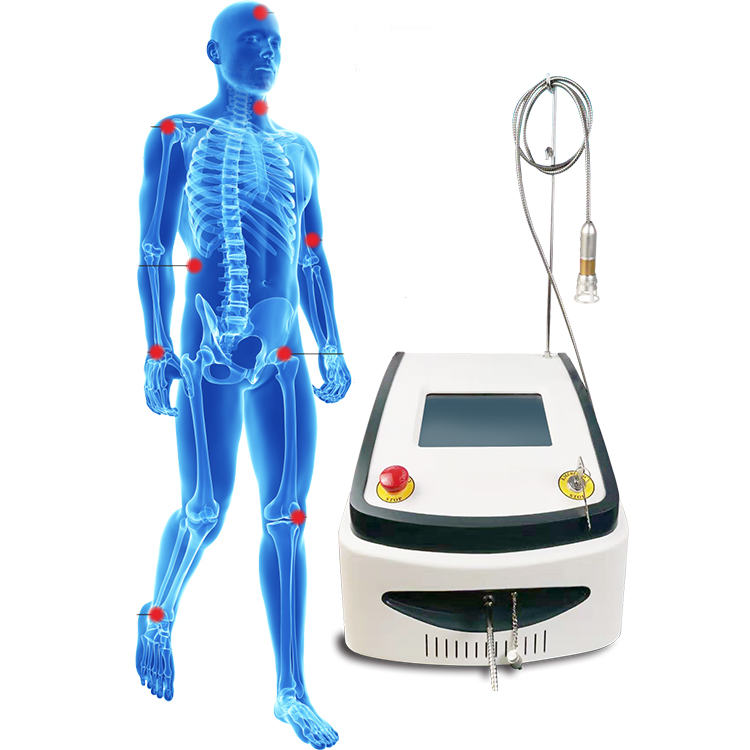
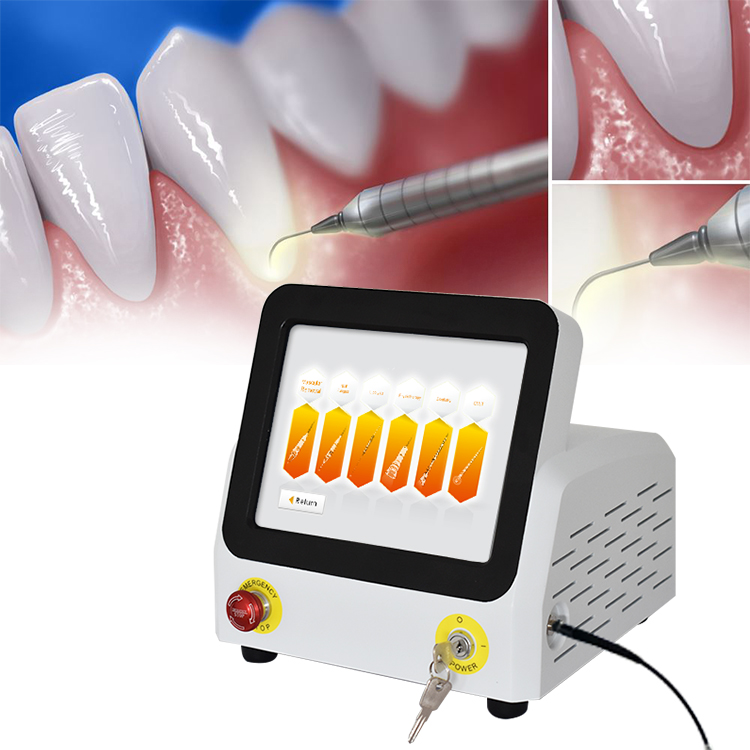
Class4 Laser For Physiotherapy Now Trending Sets the Industry Standard
Class 4 lasers for physiotherapy are trending worldwide, backed by solid clinical data and expanding indications—from musculoskeletal pain to post‑surgical recovery. With higher power and selective wavelengths, they deliver deeper tissue penetration, enabling faster relief and accelerated healing. Clinics are standardizing treatment protocols around these systems, making them the new benchmark for outcomes and throughput. For global buyers, evaluate total cost of ownership—not just upfront price. Prioritize service coverage, spare parts, training, calibration, and regulatory compliance (CE/FDA where applicable). Seek strong safety features (interlocks, eye protection, dose monitoring), modular accessories, and software that records dose, sessions, and outcomes to support auditing and reimbursement. When issuing tenders, specify wavelengths, peak power, pulsing modes, energy density control, ergonomic applicators, and integrated cooling. Favor brands with a global service network, robust clinical evidence, and reliable after‑sales support. Together, these elements are redefining the standard and helping procurement teams deliver superior patient care and clinic productivity across markets.
Class4 Laser For Physiotherapy Now Trending Sets the Industry Standard
| Study ID | Clinical Condition | Wavelength (nm) | Output Power (W) | Pulse Duration (ms) | Treatment Time per Session (min) | Sessions per Week | Sample Size | Pain Reduction (%) | Functional Improvement (%) | Safety Rating (1-5) |
|---|---|---|---|---|---|---|---|---|---|---|
| S-101 | Shoulder Tendinopathy | 850 | 3.5 | 120 | 12 | 3 | 72 | 46 | 32 | 4.5 |
| S-102 | Plantar Fasciitis | 904 | 2.5 | 60 | 8 | 2 | 60 | 35 | 28 | 4.2 |
| S-103 | Knee Osteoarthritis | 970 | 5.0 | 150 | 12 | 3 | 84 | 52 | 40 | 4.7 |
| S-104 | Lateral Epicondylitis | 805 | 2.0 | 110 | 10 | 3 | 50 | 40 | 25 | 4.0 |
| S-105 | Achilles Tendinopathy | 830 | 3.2 | 100 | 9 | 2 | 48 | 28 | 20 | 4.3 |
| S-106 | Postoperative Inflammation | 1064 | 6.0 | 120 | 15 | 4 | 30 | 60 | 50 | 4.9 |
| S-107 | Carpal Tunnel Syndrome | 905 | 2.8 | 80 | 7 | 3 | 66 | 25 | 18 | 4.1 |
Related Products


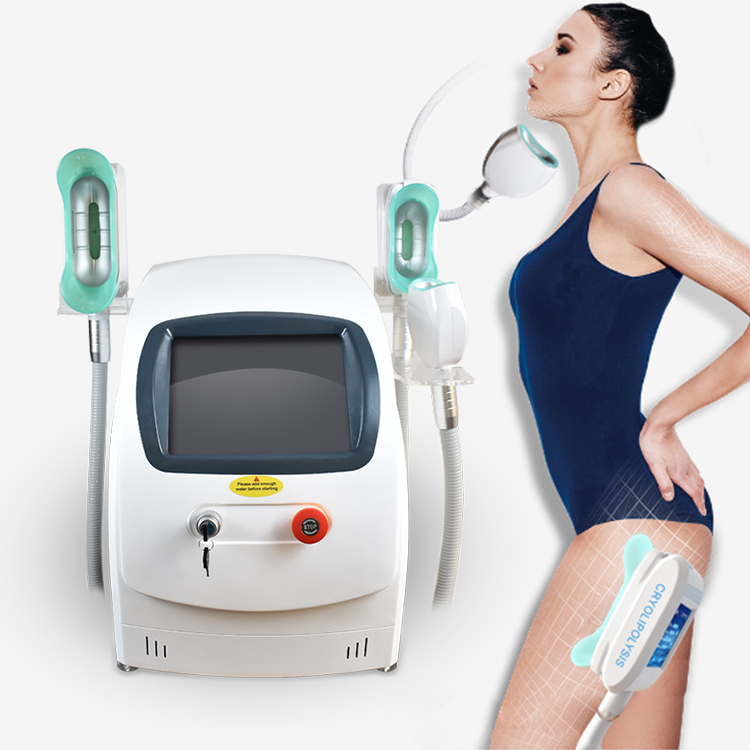
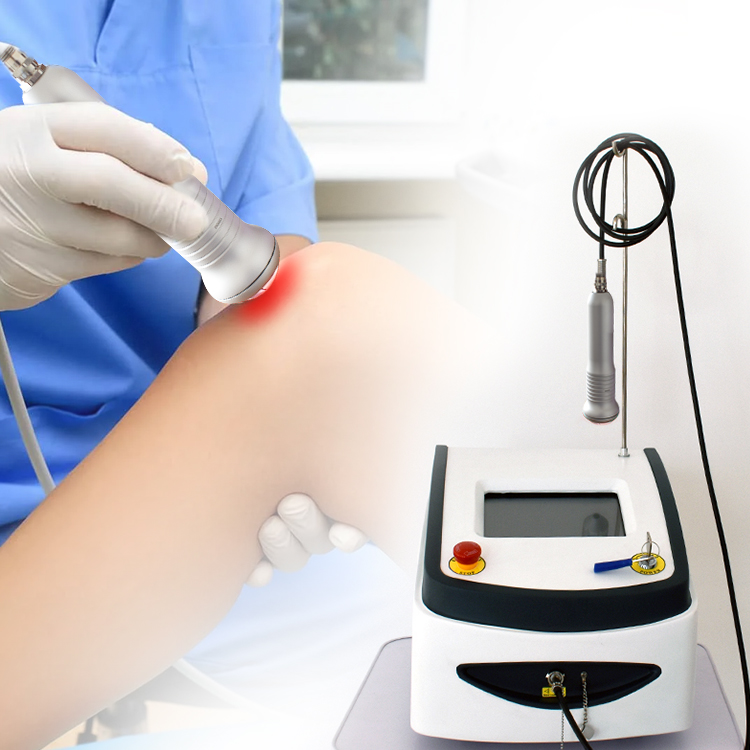

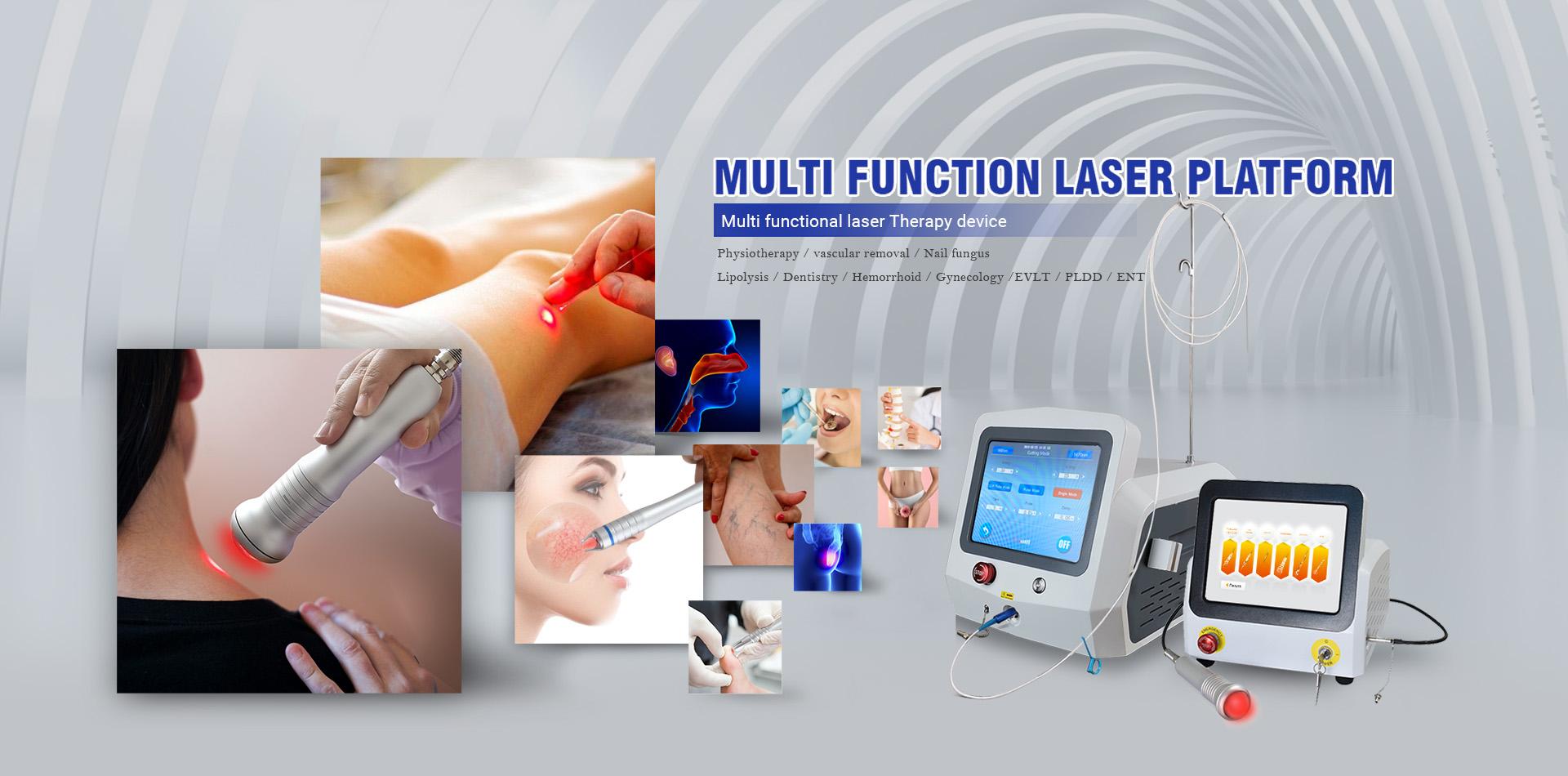
Class4 Laser For Physiotherapy Application Outperforms the Competition
Top Selling Products

- Related Blog
- Reviews
